Release Date:2026-08-28 15:52:11 Popularity:
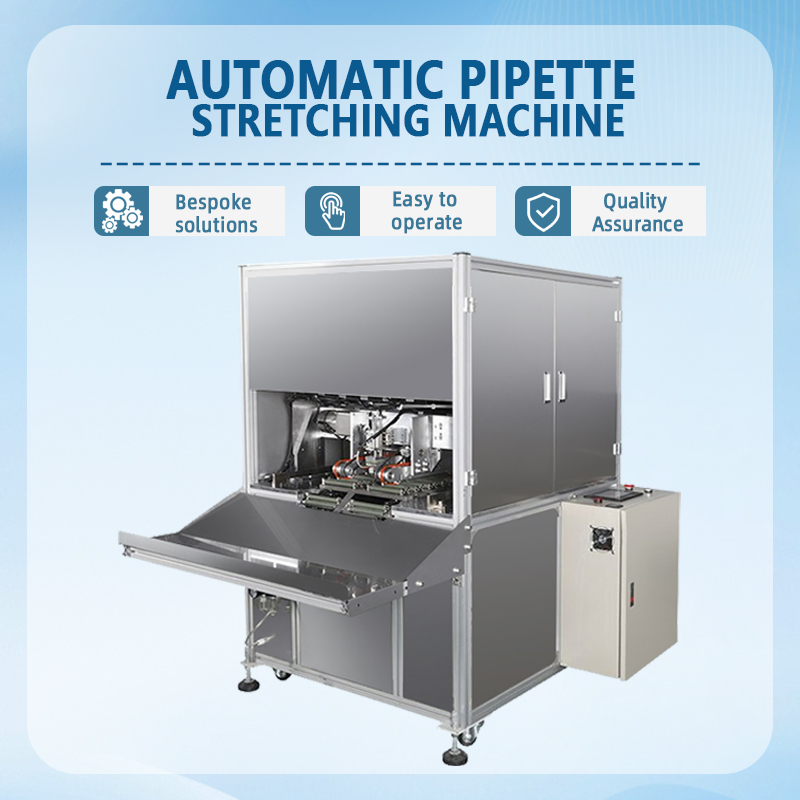
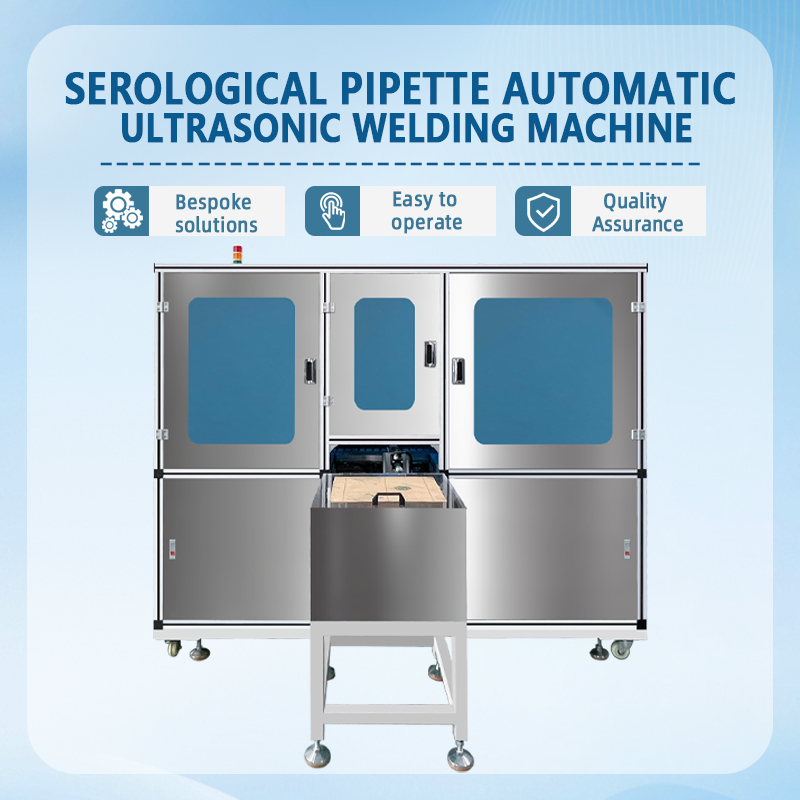
Non-standard automated assembly equipment is automated equipment specifically designed and manufactured according to the customer's product structure, assembly process, production cycle, factory layout, and quality requirements. Unlike general standard equipment, non-standard automated equipment does not have fixed functions and structures and can be flexibly configured according to the actual production needs of the enterprise. A complete set of non-standard automated assembly equipment can typically integrate functions such as automatic feeding, automatic material handling, precise positioning, automatic assembly, press fitting, insertion, locking, ultrasonic welding, visual inspection, airtightness inspection, automatic sorting, and unloading, realizing continuous automated production of product components from material loading to assembly completion.
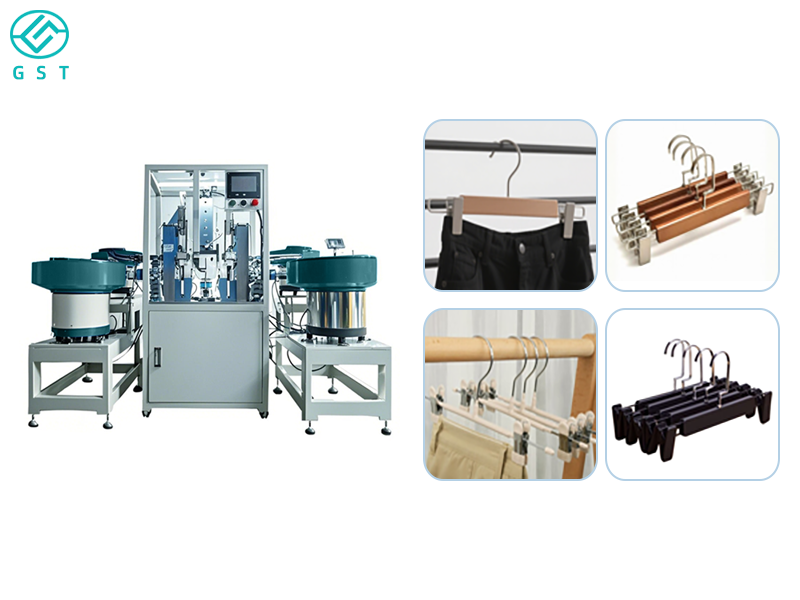
Core Advantages of Non-standard Automated Assembly Equipment
Highly Matched Production Processes: Different enterprises have significant differences in product structure and production processes. Standard equipment may have insufficient adaptability, while non-standard automated assembly equipment can be designed around the customer's specific products, ensuring that the equipment actions are highly matched with the production process, improving equipment utilization and automation levels.
Improved Assembly Production Efficiency: Traditional manual assembly is easily affected by the number of personnel, their skill level, and their working conditions. Non-standard automated assembly equipment can operate continuously according to a set cycle time, achieving automatic feeding, positioning, and assembly, reducing manual operation and waiting time, and significantly increasing output per unit time.
Improving product quality stability: Automated equipment can execute standardized assembly actions according to a unified procedure. Through high-precision positioning mechanisms, servo control systems, and specialized tooling fixtures, it effectively reduces problems such as missing parts, incorrect parts, and misalignments. Furthermore, it can be combined with visual inspection and online testing to further improve product qualification rates.
Reducing labor costs: For repetitive and labor-intensive assembly processes, non-standard automated equipment can replace some manual positions, reducing the company's reliance on skilled workers. It also reduces the overall costs associated with personnel training, management, and staff turnover, achieving long-term cost reduction and efficiency improvement.
Supporting flexible upgrades: As companies continuously update their products, production equipment also needs to have a certain degree of expandability. Non-standard automated assembly equipment can adopt a modular design, adapting to the production of different product specifications by adjusting programs, replacing fixtures, or adding functional modules, providing support for subsequent technological upgrades.
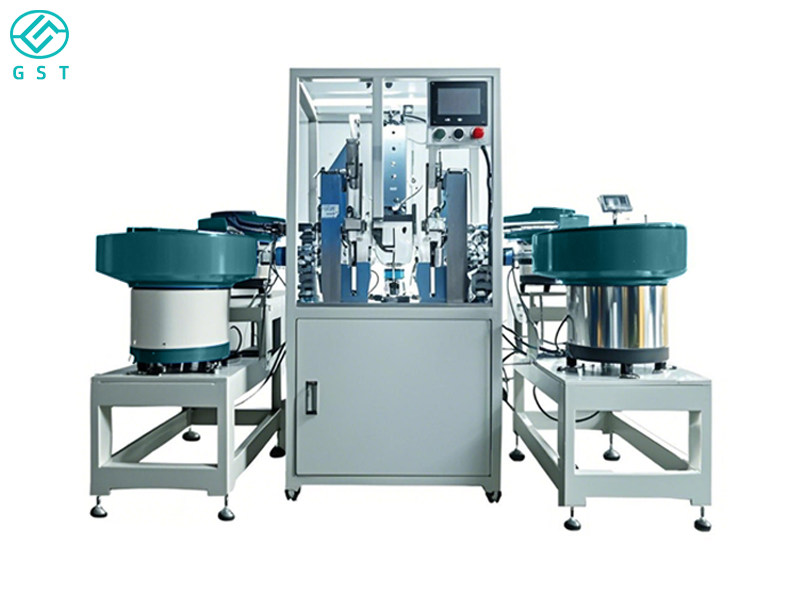
Guanshengtai Non-standard Automated Assembly Equipment Solutions
When choosing non-standard automated equipment, companies should not only focus on price but also prioritize the manufacturer's R&D capabilities, project experience, manufacturing capabilities, and after-sales service. A professional non-standard automated assembly equipment manufacturer needs comprehensive technical capabilities in mechanical design, electrical control, automation programming, machine vision, and system integration.
Simultaneously, the manufacturer's project experience in the relevant industry is also crucial. Analyzing product processes and production pain points allows for the development of more reasonable automation solutions, reducing potential technical risks during project implementation.
As a professional manufacturer of non-standard automated assembly equipment, Guanshengtai has long focused on the R&D and manufacturing of automatic assembly machines, non-standard automated production lines, intelligent testing equipment, and automated packaging equipment. We provide customers with one-stop solutions from process analysis and solution design to equipment manufacturing, installation, commissioning, and after-sales service.
Guanshentai's non-standard automated assembly equipment can be flexibly configured with functions such as automatic feeding, vibratory feeder feeding, flexible feeding, robot pick-and-place, visual positioning, automatic pressing, automatic locking, ultrasonic welding, airtightness testing, and automatic unloading, depending on the product's production process.
Furthermore, Guanshengtai can integrate non-standard automated assembly equipment with machine vision, robotic handling, automatic packaging, automatic labeling, and MES production management systems to create a complete intelligent automated production line, achieving digitalization, visualization, and quality traceability of the production process.
Non-standard automated assembly equipment is upgrading towards intelligence, flexibility, modularity, and digitalization. Future equipment will possess stronger capabilities in automatic identification, rapid changeover, online testing, data acquisition, and remote operation and maintenance.
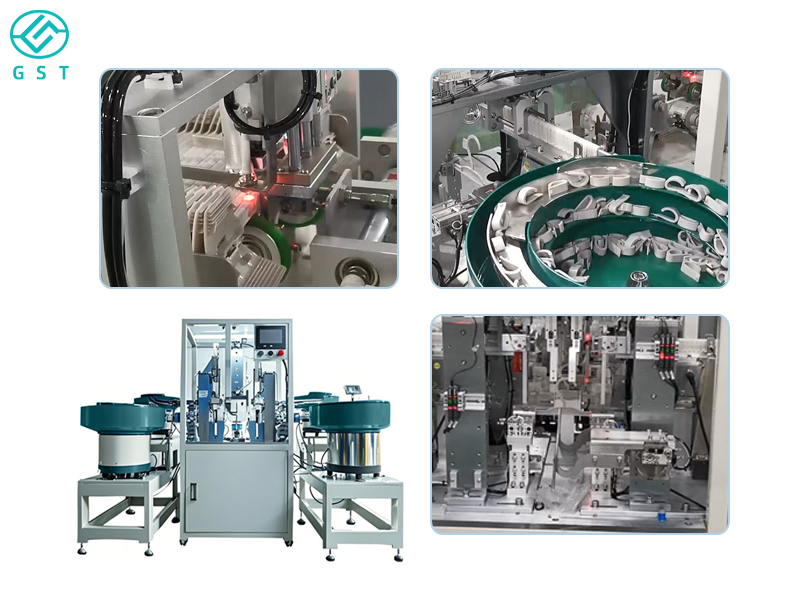
For modern manufacturing enterprises, introducing professional non-standard automated assembly equipment can not only improve production efficiency and stabilize product quality but also reduce overall operating costs, laying the foundation for building smart factories and digital production systems. Compared to standardized equipment, non-standard automated assembly equipment can be customized according to product characteristics, process flows, and capacity requirements, helping enterprises solve special assembly processes and automated production challenges. Guanshengtai, a manufacturer of non-standard automated assembly equipment, leverages its rich experience in automation projects, professional R&D team, and comprehensive service system to provide efficient, stable, and intelligent customized automated assembly solutions based on your product characteristics and production processes, helping enterprises achieve cost reduction, efficiency improvement, and intelligent manufacturing upgrades.