Release Date:2026-10-07 16:27:32 Popularity:
The automatic ultrasonic pipette welding machine is an automated device developed for welding plastic pipettes and related components. It utilizes the energy generated by ultrasonic vibrations to connect the plastic parts to be welded under specific pressure and process parameters. The equipment typically consists of an automatic feeding system, a precision positioning mechanism, an ultrasonic welding system, a servo control system, a PLC control system, and an online detection module. Through the coordinated operation of multiple functional units, it can automatically complete processes such as product feeding, positioning, welding, inspection, and unloading. Compared to traditional manual assembly and welding, the automatic ultrasonic pipette welding machine reduces manual operation, improves production efficiency, and maintains relatively stable welding quality, providing a reliable product foundation for subsequent inspection and packaging processes.

Core advantages of automatic ultrasonic pipette welding machine
Improving welding efficiency: Traditional manual welding requires product placement, positioning, and operation, and production speed is affected by the number and skill level of the personnel. Automated ultrasonic welding equipment can operate continuously according to a set rhythm, realizing automatic feeding, positioning, and welding, reducing manual waiting time and increasing output per unit time.
More consistent welding quality: The process parameters of ultrasonic welding directly affect the product connection effect. Automated equipment can uniformly control welding time, pressure, position and related parameters, ensuring more consistent welding results across different batches of products and reducing variability caused by manual operation.
High positioning accuracy: Pipettes and their related components are precision plastic consumables. Deviations in the welding position may affect subsequent assembly and use. The automatic ultrasonic pipette welding machine uses specialized tooling fixtures and a precision positioning mechanism to complete component positioning and welding according to the set positions, improving product assembly consistency.
Reduce labor costs: Traditional production methods require manual labor for repetitive tasks such as loading, positioning, welding, and unloading. Using automated ultrasonic welding machines can reduce manual labor in these repetitive positions, while also lowering costs associated with personnel training, management, and rework due to human error.
Supports online inspection: Based on customer product process requirements, the automatic ultrasonic welding machine can integrate functions such as welding status detection, pressure detection, and visual inspection to perform online quality judgment on products. When abnormal products are detected, they can be handled promptly through automatic sorting or alarms, improving the quality control capability of the production process.
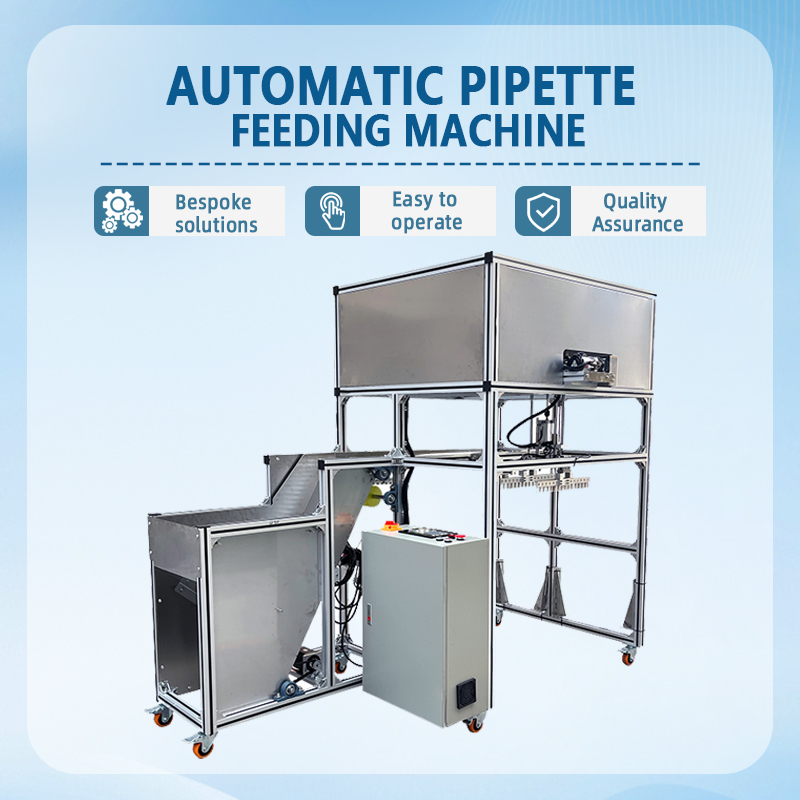
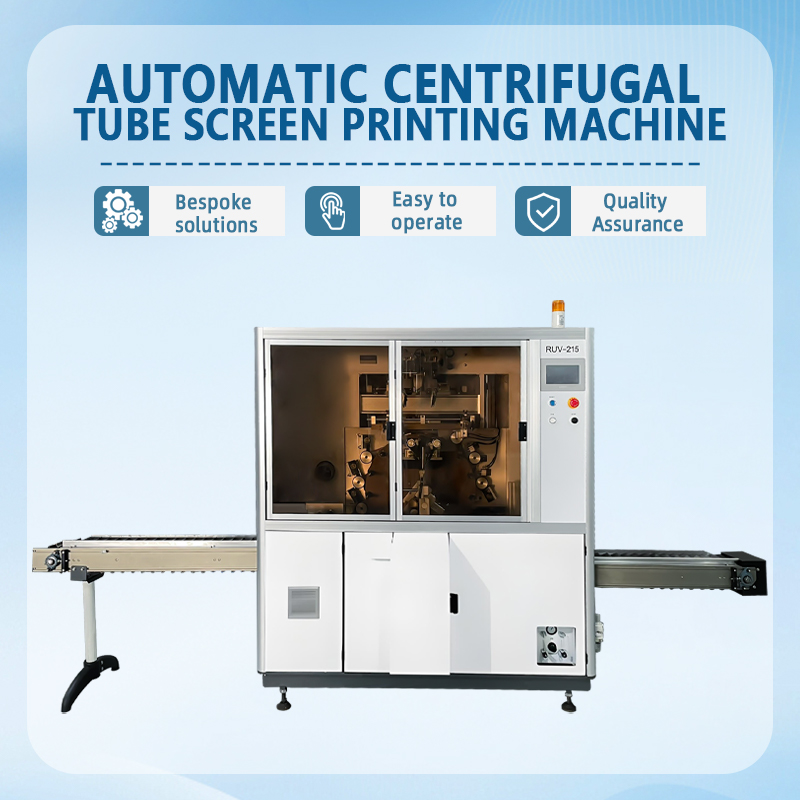
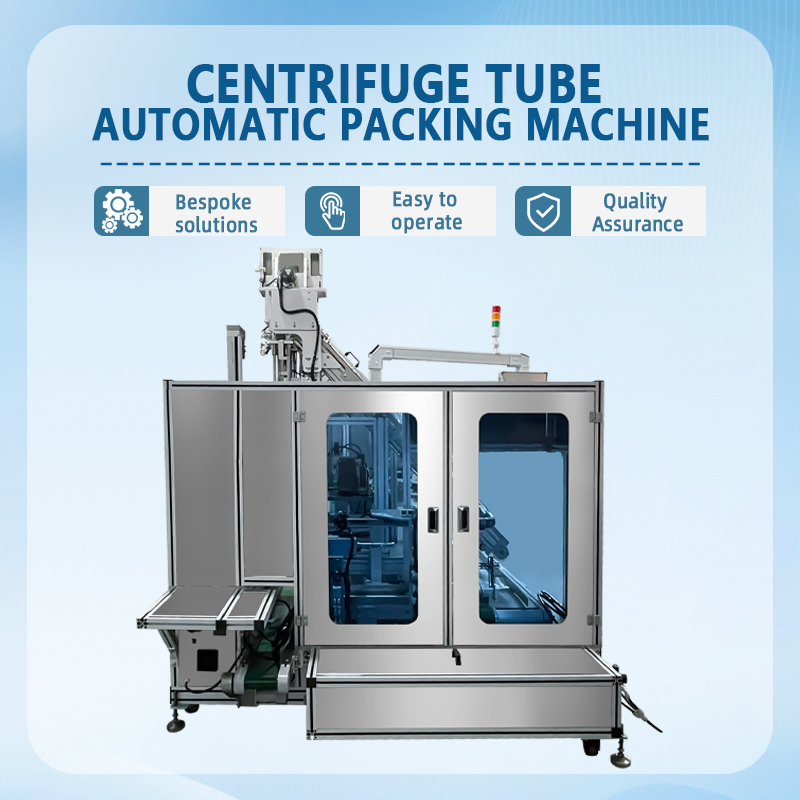
Facilitates overall line automation: Pipette production typically involves processes such as stretching, cutting, chip removal, screen printing, inspection, and packaging. Automatic ultrasonic welding machines can be integrated with these devices to form a complete automated pipette production line, further improving overall production efficiency.

Guanshengtai Automatic Ultrasonic Welding Machine Solution for Pipettes
As a professional manufacturer of automated ultrasonic welding machines for pipettes, Guanshengtai has long focused on the research and development and manufacturing of automated medical consumables equipment, non-standard automated equipment and intelligent production lines, and has the capabilities of mechanical design, electrical control, ultrasonic welding and automated system integration.
Guanshengtai can provide customized automated ultrasonic welding solutions for enterprises based on their pipette product structure, welding process, production cycle, and workshop layout. The equipment can integrate functions such as automatic feeding, automatic material handling, vision positioning, special fixtures, ultrasonic welding, welding inspection, and automatic unloading, realizing the automated operation of the welding process.
Guanshengtai can also integrate automatic ultrasonic welding machines with automatic pipette stretching and forming machines, automatic chip-free pipette cutting machines, automatic chip blowing machines, automatic two-color screen printing machines, vision inspection equipment, and automatic packaging equipment to create a complete automated pipette production line.
When selecting an automatic ultrasonic welding machine for pipettes, companies should not only focus on the price of the equipment, but also comprehensively consider the manufacturer's mechanical design capabilities, ultrasonic welding process capabilities, automation control capabilities, project experience, and after-sales service level.
First, the appropriate welding method and equipment configuration need to be determined based on the pipette material, structure, welding location, and product specifications. Different plastic materials and different product structures may have different requirements for welding parameters and weld head design.
Secondly, it's important to consider whether the manufacturer has the capability for non-standard customization. Medical consumables come in a variety of specifications, and the required production cycle time and level of automation also vary. Professional manufacturers can customize feeding, positioning, welding, and testing modules according to actual production needs.
In addition, equipment stability and after-sales service are equally important. Automated welding equipment typically involves multiple parts, including mechanical, electrical, ultrasonic systems, and control software. Comprehensive installation, commissioning, training, and technical support can help companies ensure the long-term stable operation of the equipment.

With the continuous improvement of automation in medical consumable manufacturing, automated ultrasonic welding machines for pipettes are developing towards higher speeds, greater intelligence, greater flexibility, and digitalization. Simultaneously, modular design and rapid changeover capabilities will also become important development directions, enabling equipment to adapt to the production needs of pipettes of different specifications and related plastic components, thereby improving the production flexibility of enterprises. For medical consumable manufacturers, introducing advanced automated ultrasonic welding machines for pipettes can not only improve welding efficiency and product consistency but also reduce manual labor, providing a foundation for the automation upgrade of subsequent pipette testing, screen printing, and packaging processes.