Release Date:2026-05-27 15:23:52 Popularity:
With the rapid advancement of industrial automation and intelligent manufacturing, an increasing number of enterprises are adopting automated equipment to boost production efficiency. Among these tools, automatic feeding machines—serving as a critical component within automated production lines—are widely utilized across industries such as electronics, medical devices, food processing, hardware, plastics, packaging, and new energy. Automatic feeding machines are capable of replacing manual labor to perform material conveying, sorting, and feeding tasks, thereby effectively enhancing production efficiency and reducing labor costs. Consequently, understanding the various classifications of automatic feeding machines is of significant importance for enterprises seeking to select the most suitable automated equipment for their needs.
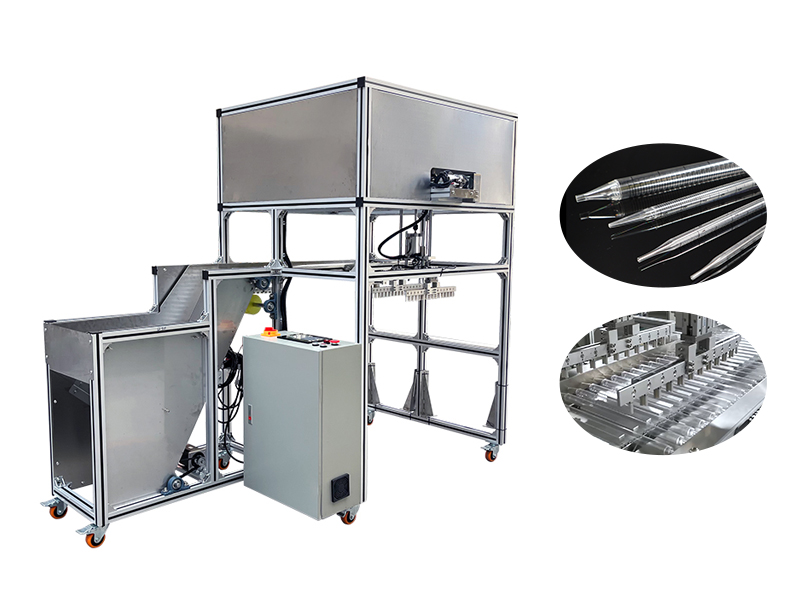
Automatic feeding machines can be categorized into various types based on their conveying mechanisms, target industries, and structural designs; each specific type is tailored to suit different production scenarios.
Vibratory Bowl Feeders: Vibratory bowl feeders represent the most widely adopted type of feeding equipment within the automation industry. Operating primarily on the principle of vibration, they automatically sort and convey loose, unorganized materials to a designated workstation. This type of equipment is ideal for the automated feeding of small components, such as screws, plastic parts, hardware fittings, and medical consumables. Vibratory bowl feeders offer distinct advantages—including a compact footprint, stable operation, and rapid feeding speeds—and are extensively integrated into automated assembly systems and production lines.
Belt Conveyor Feeders: Belt conveyor feeders facilitate the automated conveying and feeding of products primarily through the use of conveyor belts; they are commonly employed in the packaging, food processing, electronics, and logistics sectors. These systems are capable of performing continuous, long-distance material transport and are well-suited for conveying bottled products, boxed goods, and larger-sized materials. Depending on specific production requirements, additional functionalities—such as automatic inspection, sorting, and positioning—can be integrated to further elevate the level of production automation.
Screw Feeders: Screw feeders are primarily utilized for conveying powdered, granular, and fine-particle materials, employing a helical (screw) mechanism to automatically transport materials to a designated piece of equipment. This equipment is widely applied across the food, pharmaceutical, chemical, and plastics industries—specifically within automated systems such as powder packaging machines and granule filling machines. Screw feeders are characterized by their stable conveying performance, excellent sealing capabilities, and high degree of automation. Robotic Automatic Feeding Machine: This system utilizes industrial manipulators or robots to grasp and transport products, thereby achieving automated loading and unloading. The equipment is applicable across various industries, including injection molding, hardware manufacturing, electronics, and medical consumables. The robotic automatic feeding machine offers key advantages such as precise positioning, high operational flexibility, and the capability to execute complex movements, making it ideally suited for smart manufacturing production lines.
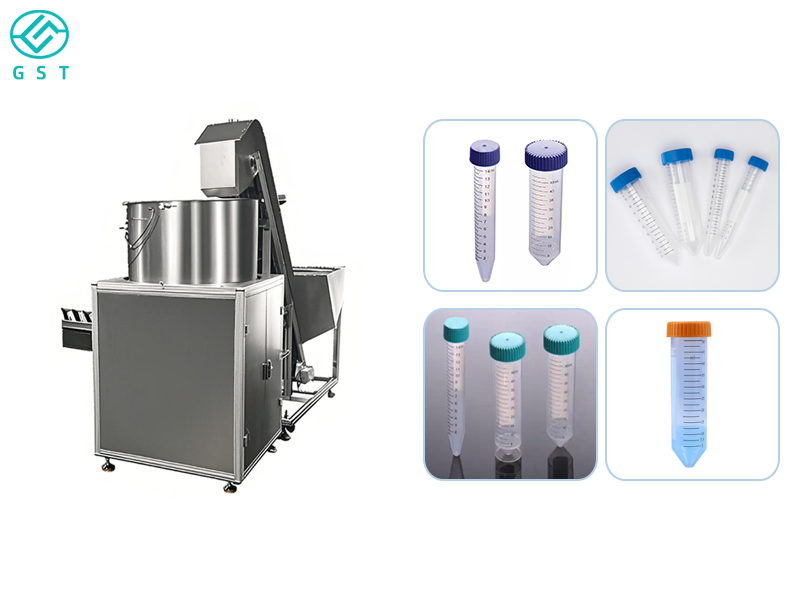
Vacuum Suction Automatic Feeder: The vacuum suction automatic feeder primarily utilizes vacuum suction cups to handle and load products; it is ideally suited for the automated conveyance of thin sheets, lightweight items, and products with flat surfaces. This equipment is widely deployed across industries involving facial masks, labels, paper cartons, plastic sheets, and electronic components, effectively boosting product handling efficiency while minimizing manual contact.
Key Advantages of the Automatic Feeder:
Enhanced Production Efficiency: Automated feeding equipment ensures a continuous and stable supply of materials, thereby significantly boosting production efficiency.
Reduced Labor Costs: It minimizes manual handling and feeding processes, facilitating fully automated production.
Improved Product Consistency: Automated conveyance and positioning mechanisms effectively reduce errors associated with manual handling.
Support for Smart Manufacturing Upgrades: The automatic feeder can be seamlessly integrated with automated assembly, inspection, and packaging equipment to form a complete, fully automated production line.
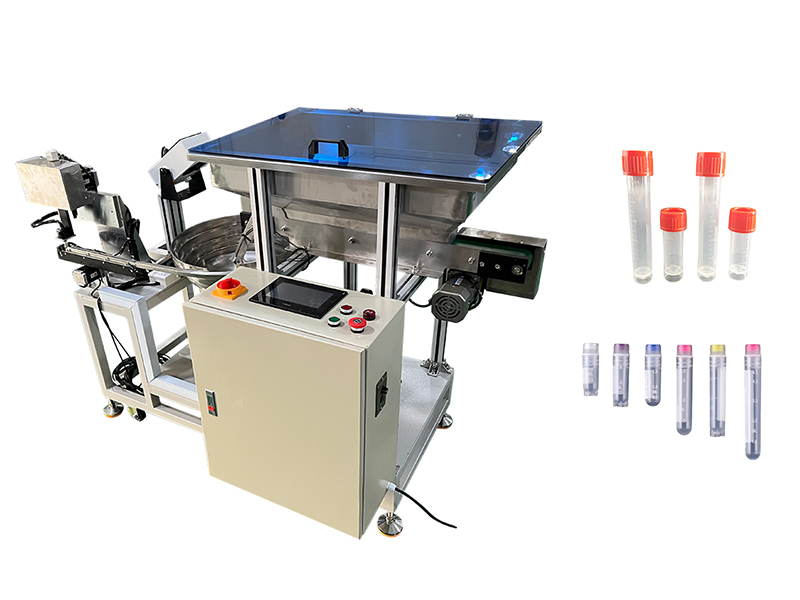
When selecting an automatic feeder, enterprises should not focus solely on isolated technical parameters; rather, they must undertake a systematic evaluation encompassing material properties, metering methods, specific process scenarios, and overall production line integration capabilities. Leveraging its extensive technical expertise and flexible customization capabilities, Guanshentai (GST) offers clients comprehensive, one-stop feeding solutions—ranging from standalone feeding units to fully integrated production line systems.