Release Date:2026-07-07 16:22:03 Popularity:
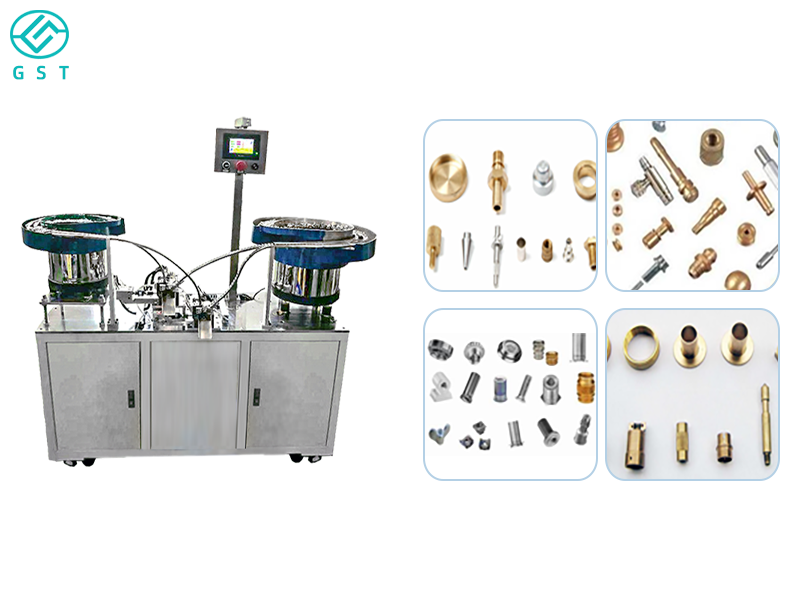
Automated component assembly equipment refers to automated systems designed and developed based on product structure, manufacturing processes, and production capacity requirements. These systems can automatically execute multiple processes—such as feeding, positioning, assembly, press-fitting, screw driving, welding, inspection, labeling, packaging, and unloading—enabling the continuous production of finished goods from individual components. Typically composed of automatic feeding systems, robotic handling systems, servo control systems, machine vision systems, in-line inspection modules, and intelligent conveying systems, this equipment features a modular configuration that can be adapted to specific product characteristics, meeting the needs of diverse production scenarios involving various product types, specifications, and batch sizes (ranging from small to large).
Key Advantages of Automated Component Assembly Equipment
Significantly Increases Production Efficiency: Capable of 24-hour continuous operation with synchronized workflows across stations and stable production cycles, this equipment drastically shortens manufacturing lead times, enabling enterprises to meet rapid delivery demands.
Enhances Assembly Precision and Consistency: Utilizing high-precision positioning, servo drives, and intelligent control technologies, the equipment ensures that every assembly action is precise and consistent. This effectively prevents issues such as missing parts, incorrect assembly, and misalignment, thereby improving the product pass rate.
Reduces Labor Costs: By replacing multiple manual workstations with automation, enterprises can reduce their workforce requirements. This lowers the comprehensive costs associated with training, management, and quality fluctuations, helping to achieve cost reductions and increased efficiency.
Supports In-line Inspection and Quality Traceability: The equipment integrates functions such as vision, dimensional, torque, airtightness, and pressure inspections. This enables real-time monitoring of the assembly process and supports data collection and quality traceability, providing a foundation for the development of digital factories.
Flexibly Adapts to Diverse Product Requirements: To accommodate varying component structures and specifications, the equipment allows for rapid changeovers—achieved through tooling swaps, program adjustments, or modular expansions. This meets the need for flexible production and maximizes equipment utilization rates.
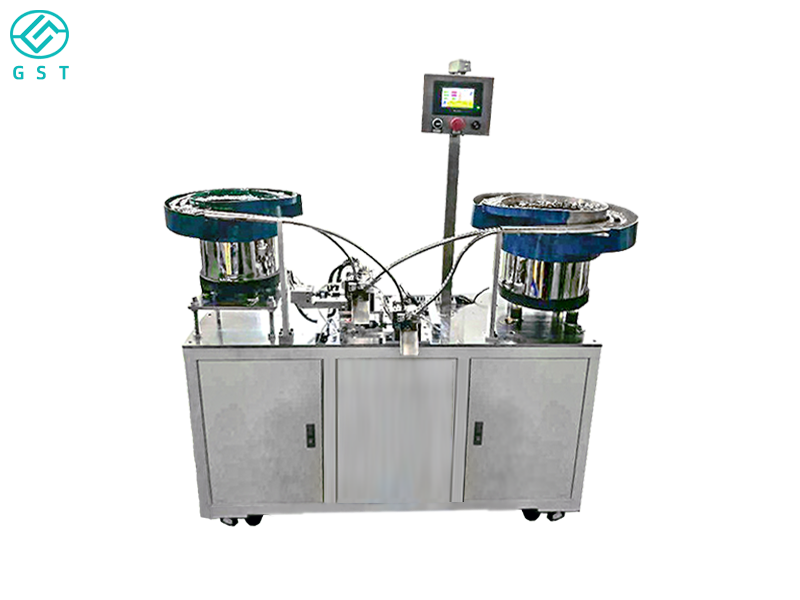
Guanshentai Automated Component Assembly Equipment Solutions
As a specialist in the R&D and manufacturing of automation equipment, Guanshentai possesses extensive experience in custom (non-standard) automation projects. We provide comprehensive, one-stop solutions—ranging from conceptual design, equipment R&D, and manufacturing/installation to after-sales service—tailored to the specific product structures and production requirements of our clients.
Guanshentai’s automated component assembly equipment integrates advanced PLC control systems, servo motion control technology, industrial robots, and visual inspection systems. These machines are characterized by stable operation, high assembly precision, strong scalability, and ease of maintenance. The equipment supports a wide range of functions—including automatic feeding, positioning, press-fitting, fastening, welding, inspection, and packaging—enabling enterprises to rapidly upgrade to intelligent manufacturing.
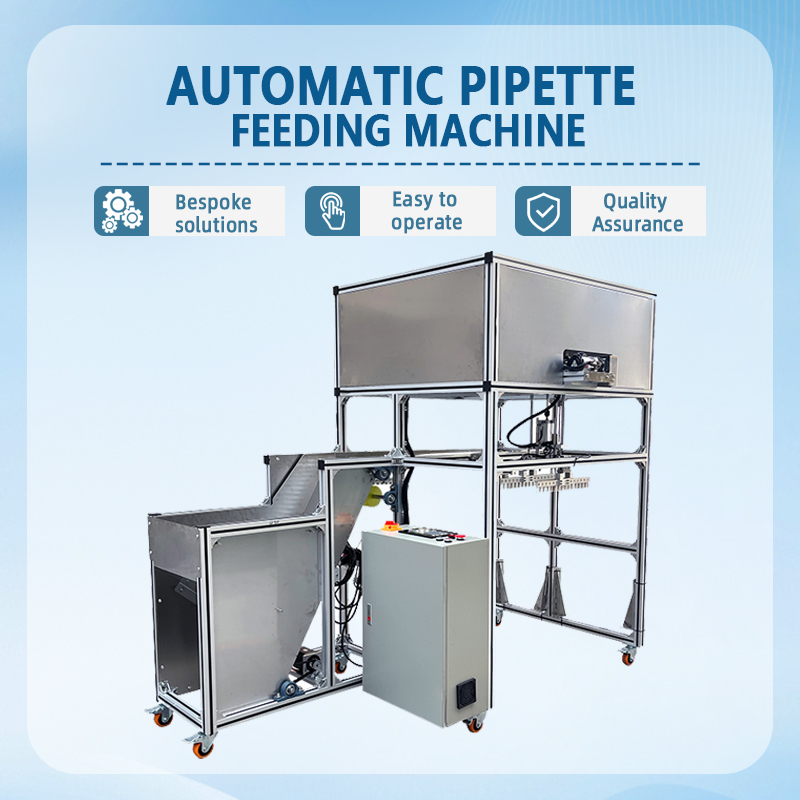
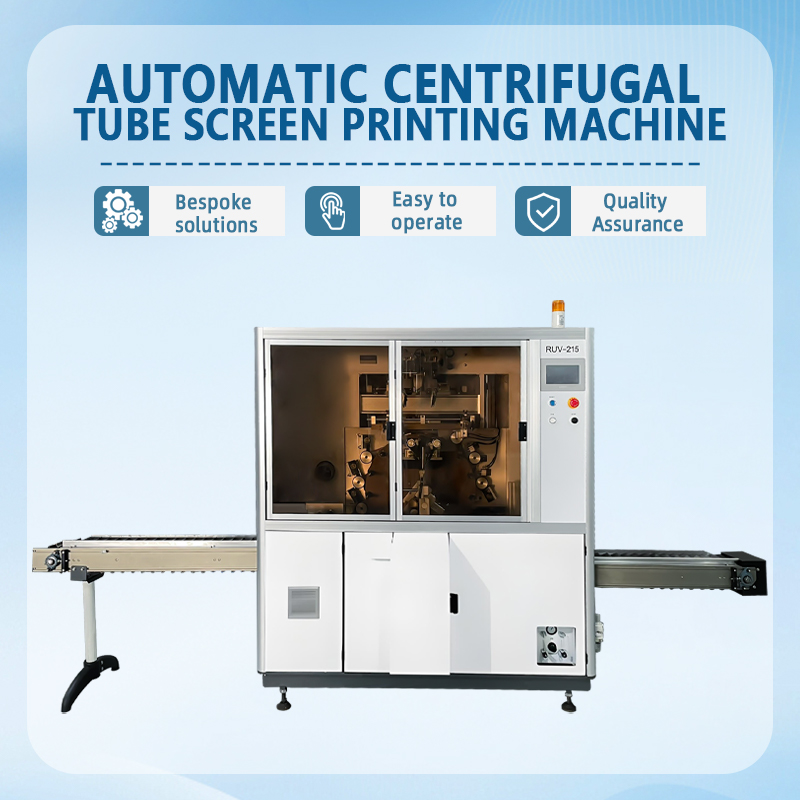
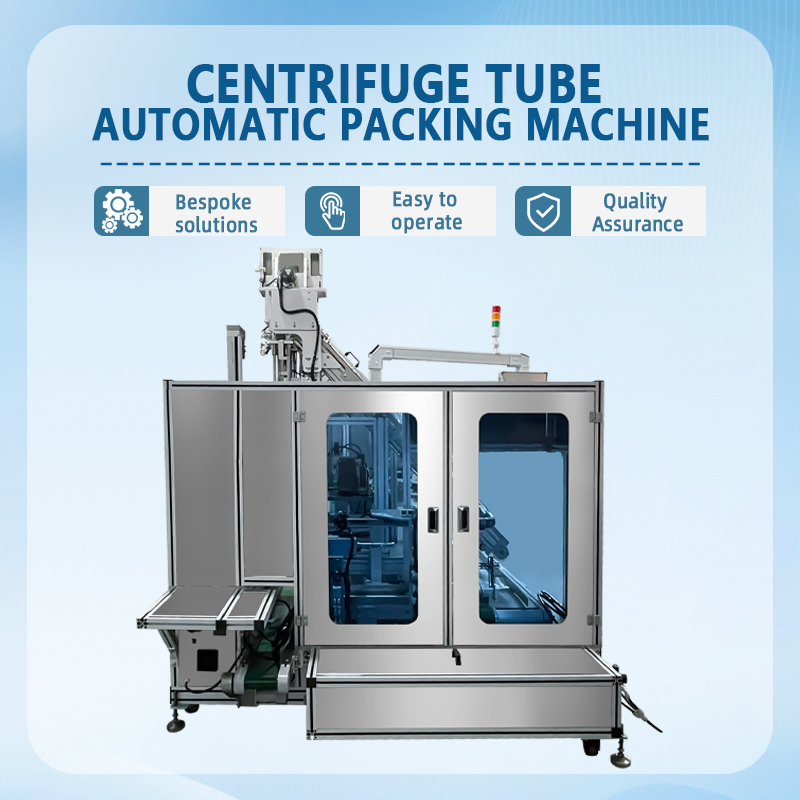
Currently, Guanshentai’s automated assembly equipment is widely used across industries such as medical consumables, electronic components, automotive parts, hardware accessories, plastic products, household goods, and laboratory consumables. Applications include the automated assembly of products such as centrifuge tubes, pipettes, reagent kits, sampling swabs, syringes, O-rings, connectors, clothes hangers, and trouser racks, helping clients build highly efficient, high-quality intelligent manufacturing systems.
Furthermore, Guanshentai can seamlessly integrate its assembly equipment with automatic loaders, inspection systems, robotic handling units, packaging machines, palletizing systems, and MES (Manufacturing Execution Systems). This integration enables the digitization, visualization, and traceability of production processes, driving the comprehensive transformation of factories toward intelligent manufacturing.
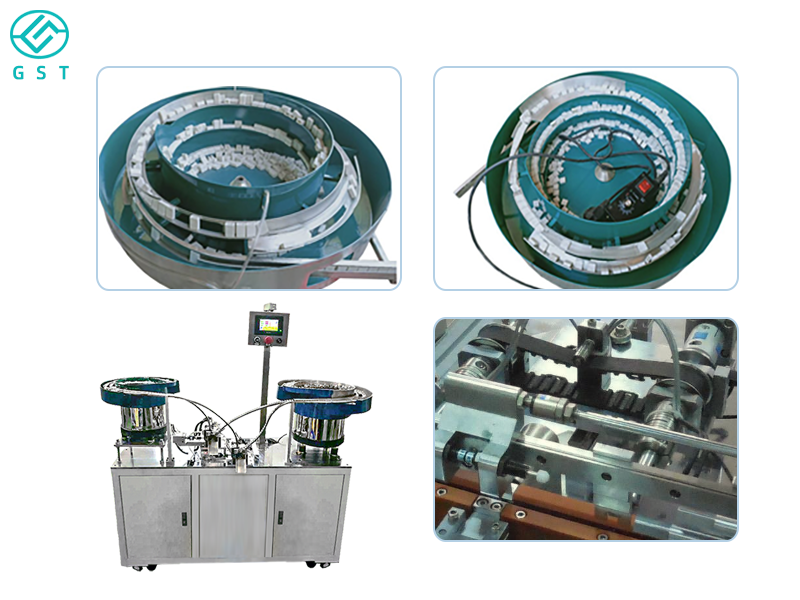
Industries such as medical consumables, electronics, automotive parts, hardware, plastics, household goods, and laboratory consumables often involve diverse component types, complex assembly processes, and rigorous quality standards. As a key component of intelligent manufacturing, automated assembly equipment offers advantages such as high efficiency, precision, automation, and flexibility, making it a vital choice for enterprises seeking to boost capacity, reduce costs, and optimize quality. As a professional manufacturer of automation equipment, Guanshentai focuses on the R&D and production of automated assembly systems, delivering high-quality, customizable, and comprehensive automation solutions to our clients.