Release Date:2026-09-14 14:56:46 Popularity:
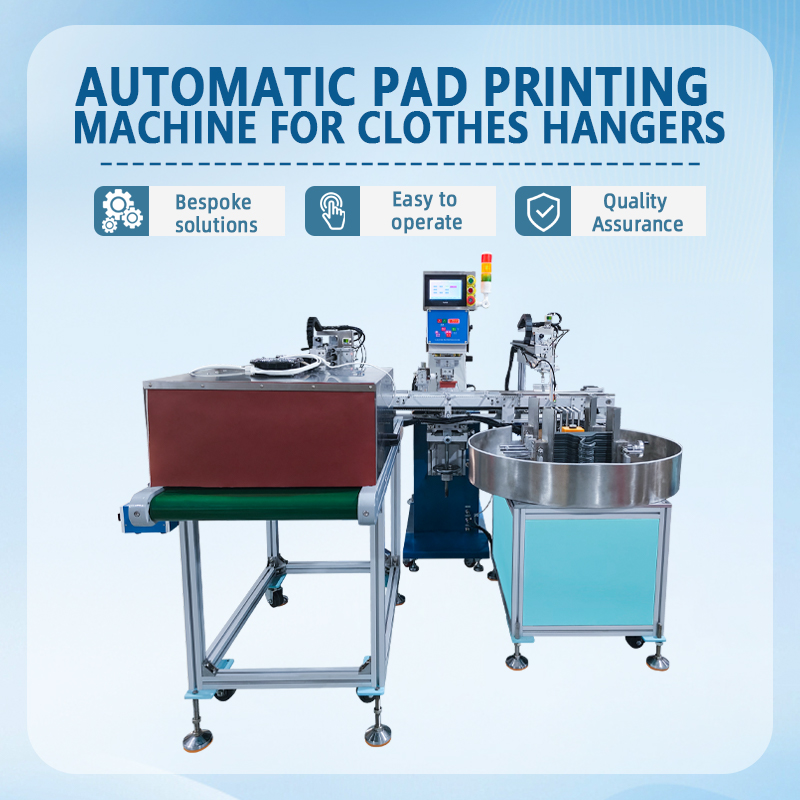
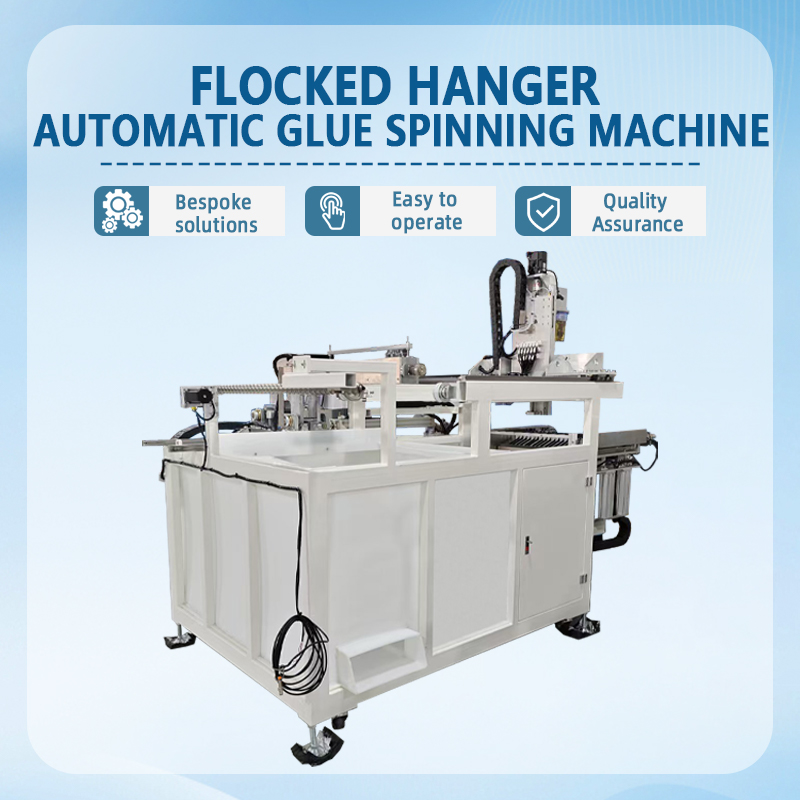
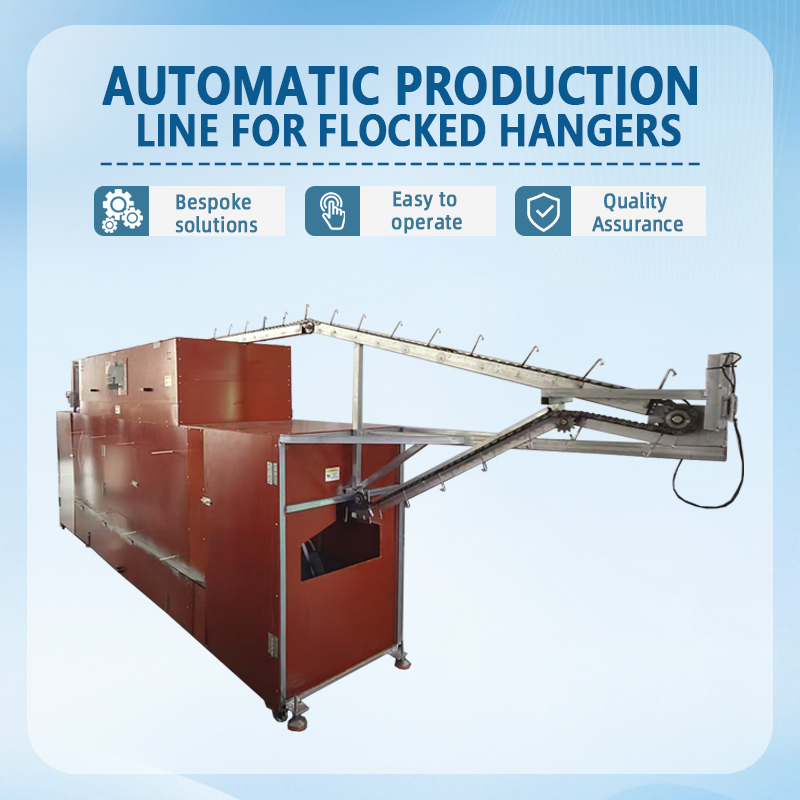
Non-standard automated assembly equipment is automated equipment specifically designed and manufactured according to the customer's product structure, assembly process, production cycle, capacity requirements, and factory layout. Compared with standard automated assembly equipment, non-standard equipment does not have fixed functions and structures, and can be modularly combined and customized to meet the specific production needs of customers. A complete set of non-standard automated assembly equipment can integrate multiple functions such as automatic feeding, automatic material handling, precise positioning, automatic pressing, insertion, locking, welding, visual inspection, airtightness inspection, automatic sorting, and unloading, automatically connecting multiple production processes to achieve continuous production from component input to finished product output.
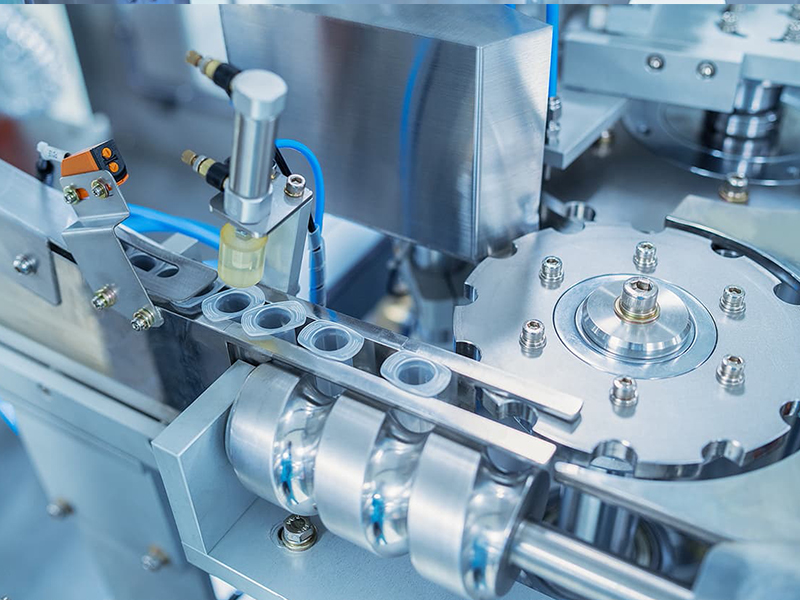
Advantages of non-standard automated assembly equipment
Improving production efficiency: Traditional manual assembly involves multiple steps such as material retrieval, positioning, installation, and testing, and production speed is affected by the number of personnel and their skill level. Non-standard automated assembly equipment can operate continuously according to a set production rhythm, enabling multiple workstations to work collaboratively, reducing waiting time and process connection time, and effectively increasing output per unit time.
Improving assembly precision: For precision components, the assembly position and force directly affect product performance. Non-standard automated assembly equipment, through servo drives, precision positioning mechanisms, and specialized tooling fixtures, can more stably complete the assembly of parts, reducing problems such as omissions, misassemblies, and misalignments, thereby improving product consistency and assembly quality.
Reduce labor costs: Repetitive and labor-intensive assembly work often requires a significant manpower investment. By adopting non-standard automated assembly equipment, manual operation positions can be reduced, lowering personnel training and production management costs, while also reducing rework and quality losses caused by human factors.
Online inspection: Modern non-standard automated assembly equipment can not only complete assembly, but also be configured with modules such as machine vision, dimensional inspection, pressure inspection, airtightness inspection and functional testing according to product requirements, so as to realize the simultaneous performance of assembly and quality inspection, and timely detection and rejection of abnormal products.
Meeting personalized production needs: Different companies have different product structures and processes. Non-standard equipment can be custom-designed according to product characteristics, with overall planning from feeding methods and assembly sequence to testing processes, so that the equipment is highly matched with the production process and is more suitable for the automated production of complex processes and special products.
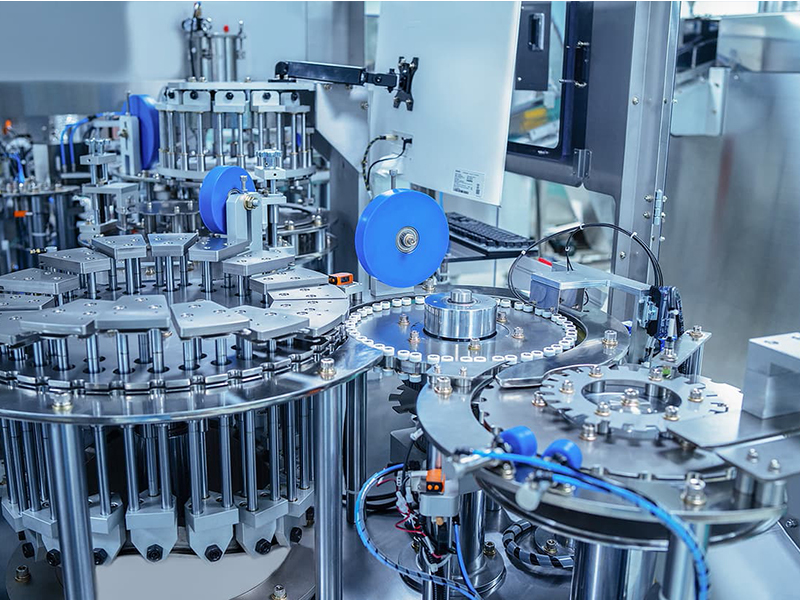
Guanshengtai Non-standard Automated Assembly Equipment Solutions
As a professional manufacturer of non-standard automated assembly equipment, Guanshengtai has long focused on the research and development and manufacturing of automated assembly machines, non-standard automated equipment, intelligent testing equipment and automated production lines, and has rich project experience and a professional technical team.
Guanshengtai can provide enterprises with one-stop solutions, from needs analysis, process planning, and scheme design to equipment manufacturing, installation, commissioning, and after-sales service, based on the customer's product structure, assembly process, production cycle, and site layout. The equipment can be configured with functions such as automatic vibratory feeder feeding, flexible feeding, robotic arm picking and placing, vision positioning, automatic pressing, ultrasonic welding, locking, and online inspection, according to actual needs.
Meanwhile, Guanshengtai can also integrate non-standard automated assembly equipment with robot handling systems, automatic visual inspection, automatic packaging, labeling and MES production management systems to create a complete intelligent automated production line, helping enterprises to achieve full-process automation and digital management of production.
When purchasing non-standard automated assembly equipment, companies should not only focus on the price of the equipment, but also examine the manufacturer's technical R&D capabilities, mechanical design capabilities, electrical control capabilities, system integration capabilities, and project implementation experience.
First, manufacturers need to be able to conduct process analysis for customer products, identify which processes are suitable for automation, and how to rationally configure feeding, positioning, assembly, and testing mechanisms. Second, non-standard equipment often involves the coordinated operation of mechanical, electrical, software, and vision systems; therefore, the manufacturer's comprehensive technical capabilities directly affect the equipment's stability.
In addition, after-sales service is also very important. Comprehensive installation, commissioning, operation training, maintenance support, and technical upgrade services can help customers reduce the risks of using equipment after investment and ensure the long-term stable operation of the production line.
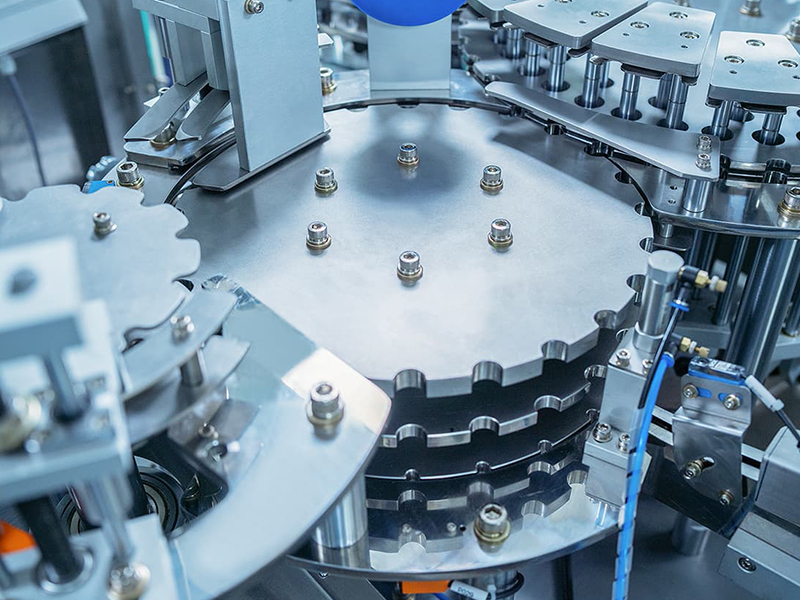
With the continuous development of artificial intelligence, machine vision, industrial robots, and industrial internet technologies, non-standard automated assembly equipment is upgrading towards higher speed, greater flexibility, intelligence, and digitalization. For modern manufacturing enterprises, introducing professional non-standard automated assembly equipment can not only improve production efficiency and assembly quality, but also reduce labor input, lower overall operating costs, and lay the foundation for building smart factories.