Release Date:2026-09-21 15:30:59 Popularity:
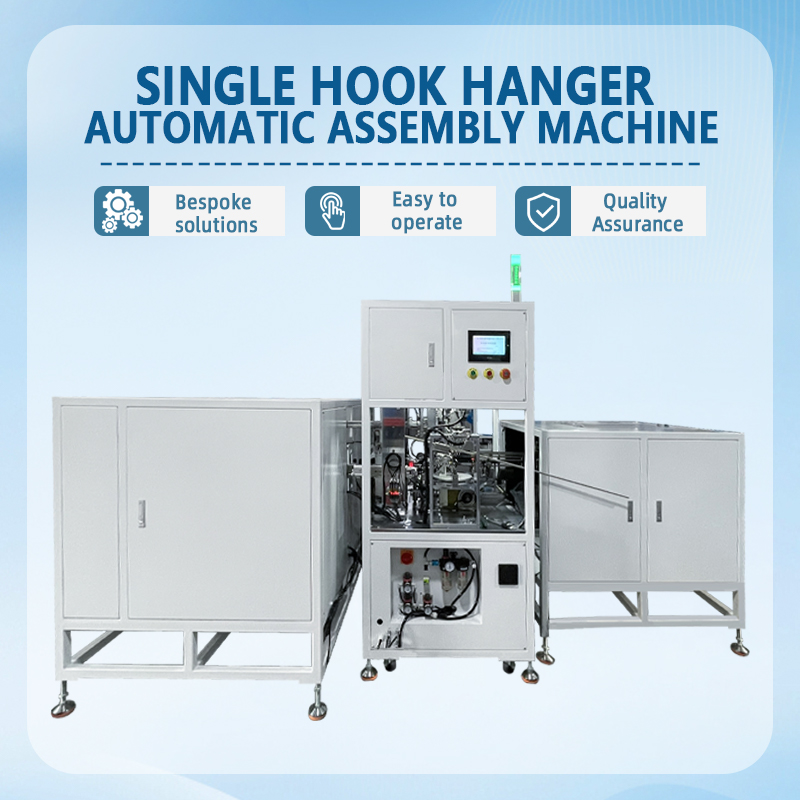
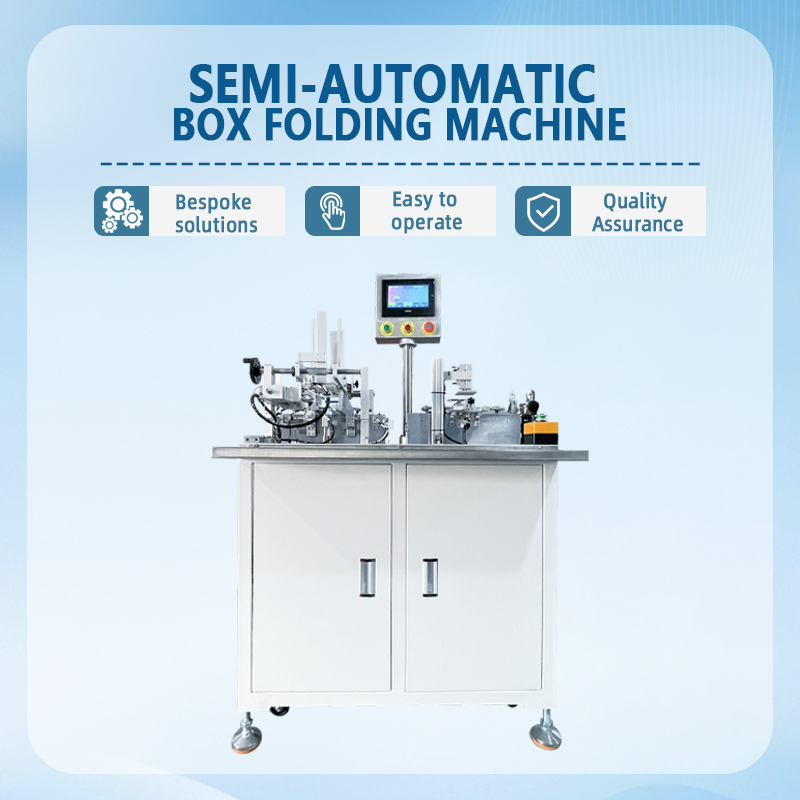
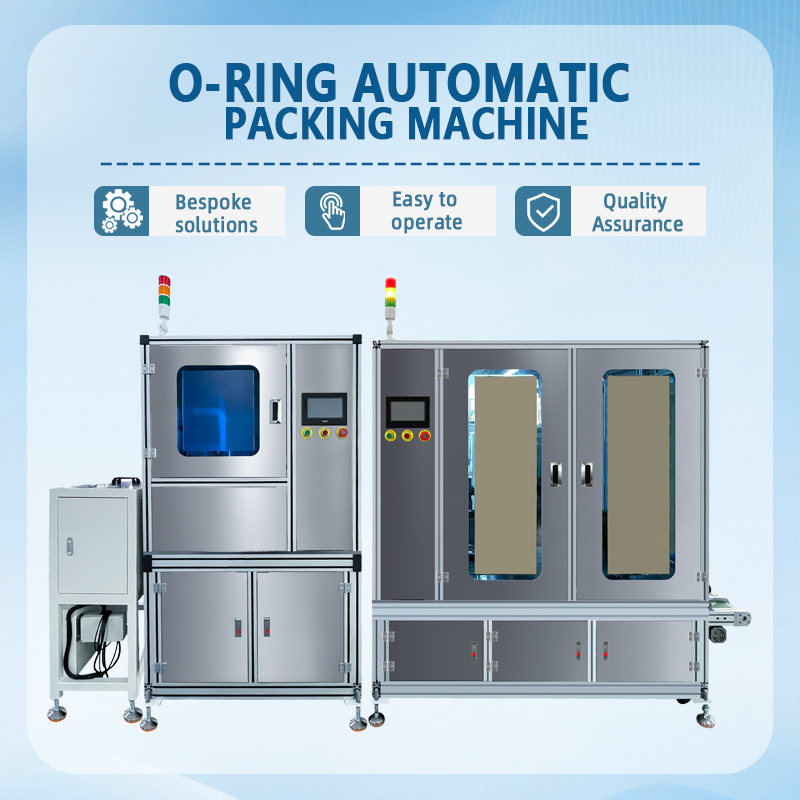
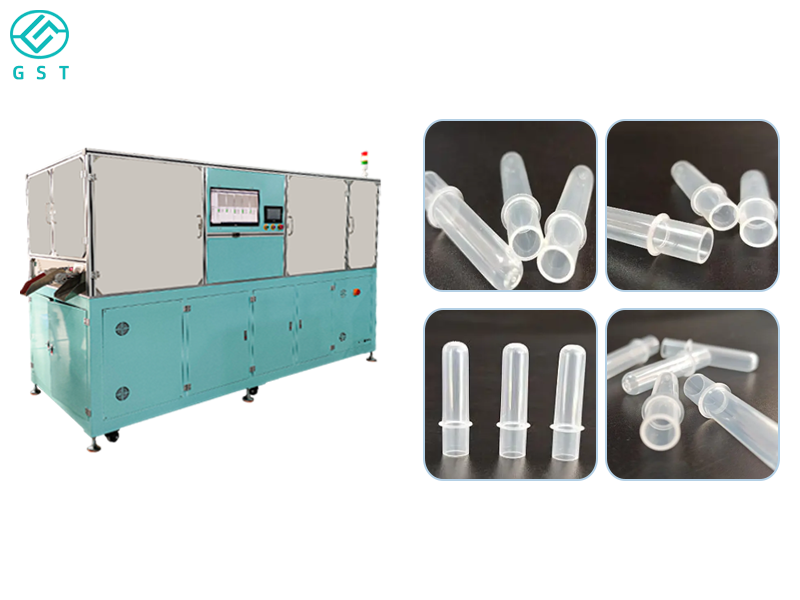
Non-standard automated equipment is specially designed and manufactured according to the customer's product structure, production process, capacity requirements, workshop layout, and quality standards. Compared with standard equipment, non-standard automated equipment places greater emphasis on "design on demand," enabling functional configuration tailored to the specific production processes of an enterprise. Common non-standard automated equipment includes automatic feeding machines, automatic assembly machines, automatic pressing machines, automatic welding machines, automatic testing machines, automatic packaging machines, and complete automated production lines. Through PLC control, servo drives, machine vision, industrial robots, and intelligent detection technology, it can achieve automatic feeding, precise positioning, automatic assembly, online testing, automatic packaging, and finished product unloading.
Advantages of choosing a manufacturer of automated non-standard equipment
Improving production efficiency: Traditional manual production is easily affected by the number of workers, their skill level, and their work status. Automated non-standard equipment, on the other hand, can operate stably according to a set rhythm, automatically connecting multiple production processes, reducing manual loading and unloading and waiting time, thereby increasing output per unit time. For mass production enterprises, the proper configuration of automated equipment can shorten production cycles, improve order delivery efficiency, and reduce manual waiting and repetitive operations during the production process.
Improving product quality: Manual assembly and inspection are prone to operational errors, especially in the production of precision parts, which requires precise positioning and force application. Non-standard automated equipment can standardize production processes through precision positioning, servo control, and specialized tooling. Furthermore, the equipment can integrate modules for machine vision, dimensional inspection, airtightness testing, and functional testing to perform online product inspection, promptly identify and reject defective products, and improve product quality stability.
Reduced labor input: Repetitive and labor-intensive production processes typically require a significant amount of manpower. Automated, non-standard equipment can replace some repetitive manual operations, reducing personnel input and lowering overall costs associated with training, management, and employee turnover. For companies engaged in long-term continuous production, automated equipment can also reduce the impact of human factors on capacity and quality, improving overall production stability.
Adapting to Customized Processes: Production processes vary significantly across industries and products. Professional manufacturers of non-standard automated equipment can custom-design feeding structures, assembly sequences, testing methods, and equipment layouts to perfectly match the customer's product characteristics and production flow. For special processes or procedures that standard equipment cannot handle, non-standard automated equipment can automate them through specialized mechanisms and modules, solving customized production problems for enterprises.
Support for future automation upgrades: Excellent non-standard equipment typically adopts a modular design concept, which can reserve expansion interfaces for visual inspection, robotic handling, automated packaging, and data management. As enterprises upgrade their production capacity and products, the equipment can further add functional modules to achieve continuous optimization and automation upgrades.
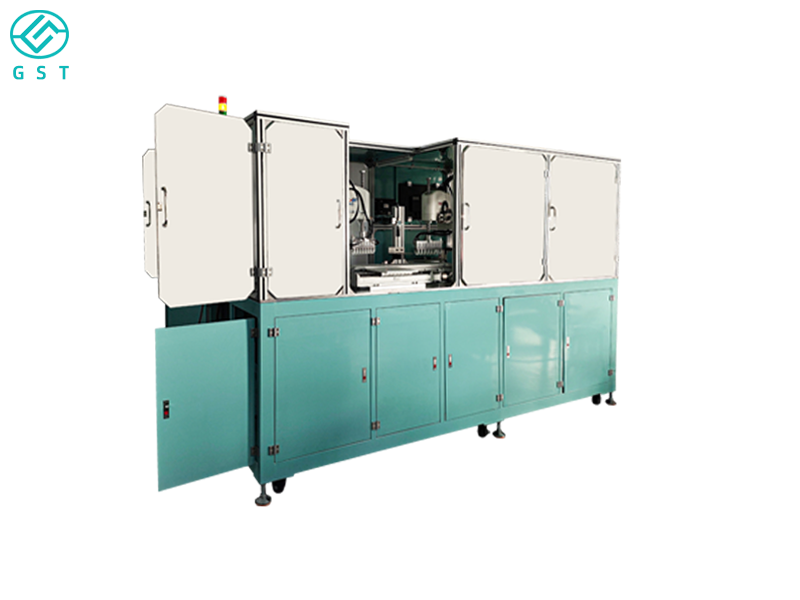
Guanshengtai Automation Non-standard Equipment Solutions
As a professional manufacturer of non-standard automated equipment, Guanshengtai has long focused on the research, development, manufacturing and system integration of automated equipment, and can provide customized solutions based on customers' product characteristics, process flow, production cycle and workshop layout.
Guanshengtai can flexibly combine functions such as automatic feeding, automatic material handling, visual positioning, robot picking and placing, automatic pressing, ultrasonic welding, locking, airtightness testing, visual inspection and automatic packaging to create automated equipment and production lines that match the customer's production process.
In addition, Guanshengtai can also integrate non-standard automated equipment with robot handling systems, automatic labeling machines, automatic packaging machines, vision inspection equipment and MES production management systems to help companies build an automated production system from parts loading to finished product output.
When purchasing non-standard automated equipment, in addition to price, companies should also focus on the manufacturer's R&D design, mechanical manufacturing, electrical control, software development and system integration capabilities.
First, manufacturers should possess comprehensive project development capabilities, enabling them to conduct needs analysis based on customer products and production processes, rather than simply replicating standard equipment. Second, it's crucial to consider the manufacturer's actual project experience. Different industries exhibit significant differences in product structure, production environment, and testing requirements; extensive project experience helps improve the adaptability of solutions.
In addition, equipment installation, commissioning, and after-sales service are equally important. Non-standard automated equipment involves multiple parts, including mechanical, electrical, and control systems, requiring manufacturers to provide on-site installation, operation training, maintenance support, and technical services to ensure the long-term stable operation of the equipment.
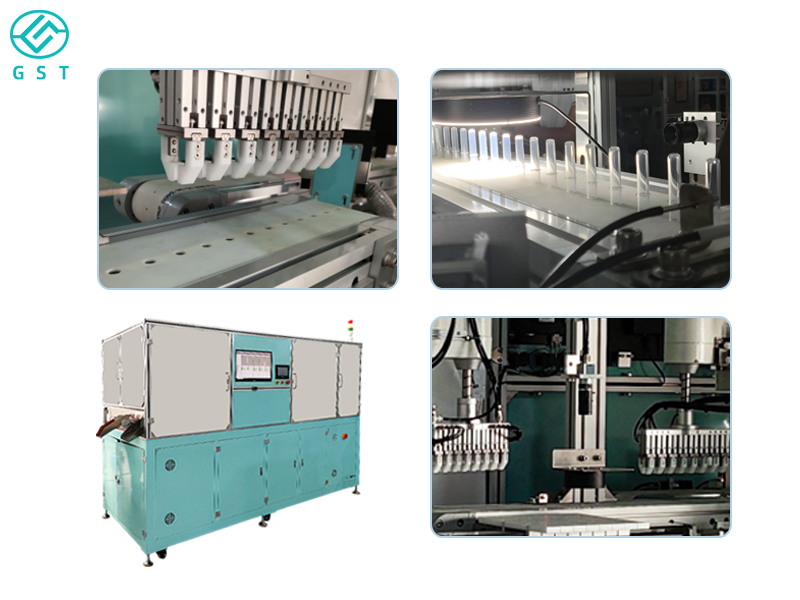
With the continuous maturation of artificial intelligence, industrial robots, machine vision, and industrial internet technologies, automated non-standard equipment is developing towards intelligence, flexibility, modularity, and digitalization. For enterprises engaged in multi-variety, small-batch production, more flexible automated equipment will become an important production tool. For modern manufacturing enterprises, choosing a professional manufacturer of automated non-standard equipment can not only improve production efficiency and product quality, but also reduce reliance on manual labor, lower overall operating costs, and provide an equipment foundation for the subsequent construction of a digital factory.