Automation Equipment Manufacturer
Advice Line:+86 13424724129

How much does automated assembly equipment cost? Factors affecting equipment price and a guide to purchasing non-standard customized equipment

Release Date:2026-11-06 16:04:56 Popularity:

  There is no uniform price standard for automated assembly equipment . The price depends primarily on the equipment structure, level of automation, production speed, product process, and customization requirements. Simple single-station automated assembly equipment differs significantly from multi-station fully automated assembly lines in terms of mechanical structure, control systems, functional configuration, and manufacturing costs, thus their prices will vary. Generally, the more complex the equipment's functions and the higher its level of automation, the higher the requirements for mechanical design, control systems, and precision machining. Especially for non-standard automated assembly equipment, which requires specialized design based on the customer's product characteristics and production processes, the final price will depend on the specific requirements, including scheme evaluation, structural design, parts processing, equipment assembly, and debugging.
  There is no uniform price standard for automated assembly equipment . The price depends primarily on the equipment structure, level of automation, production speed, product process, and customization requirements. Simple single-station automated assembly equipment differs significantly from multi-station fully automated assembly lines in terms of mechanical structure, control systems, functional configuration, and manufacturing costs, thus their prices will vary. Generally, the more complex the equipment's functions and the higher its level of automation, the higher the requirements for mechanical design, control systems, and precision machining. Especially for non-standard automated assembly equipment, which requires specialized design based on the customer's product characteristics and production processes, the final price will depend on the specific requirements, including scheme evaluation, structural design, parts processing, equipment assembly, and debugging.    What factors influence the price of automated assembly equipment?    Product structure and assembly process: Different products have different assembly difficulties. For example, hardware accessories, plastic parts, electronic components, and medical consumables have different assembly methods, positioning requirements, and processing procedures. The more complex the product structure, the more assembly steps are involved, and the higher the equipment design and manufacturing costs will usually be.    Automation level of equipment: Automated assembly equipment can be divided into semi-automatic assembly equipment and fully automatic assembly equipment. Semi-automatic equipment usually requires manual assistance in feeding or completing some processes, while fully automatic equipment can integrate functions such as automatic feeding, positioning, assembly, testing and unloading, reducing manual intervention and improving the level of production automation.    Production efficiency and capacity requirements: Different companies have different requirements for equipment production speed, and therefore require different configurations. High-speed automated assembly equipment typically requires a more rational mechanical structure, a stable transmission system, and a precise control system, which will affect the overall equipment cost.    Inspection and auxiliary function configuration: Some automated assembly equipment also requires additional functions such as visual inspection, pressure testing, leak detection, automatic screening, and defective product rejection. The more functional modules there are, the higher the design complexity and configuration cost of the equipment.    Non-standard customization needs: If product specifications are special, or existing standard equipment cannot meet production process requirements, non-standard automated equipment customization is required. The equipment needs to be customized according to the customer's site environment, product size, assembly process, and production requirements; therefore, the specific price needs to be calculated based on the technical solution.    Advantages and Selection of Automated Assembly Equipment    Automated assembly equipment transforms traditional manual operations into mechanized and programmed production, reducing repetitive labor and improving product assembly efficiency. Through functions such as automatic feeding, precise positioning, automatic pressing, automatic locking, and quality inspection, it effectively enhances the consistency of product assembly.    Meanwhile, automated equipment can reduce human error, helping companies optimize production processes and lower labor management costs. For manufacturing companies that require long-term mass production, the appropriate introduction of automated assembly equipment can help improve production management and enhance their market competitiveness.    When purchasing automated assembly equipment, companies should not only focus on the equipment price, but also pay close attention to the manufacturer's non-standard design capabilities, mechanical manufacturing level, control technology and after-sales service.    First, it is necessary to clarify the product assembly process, target production capacity, and quality requirements; second, it is necessary to understand whether the equipment is compatible with different product specifications and whether it is easy to maintain and upgrade in the future; finally, it is also necessary to comprehensively consider the equipment's operational stability, operating costs, and production site conditions to select an automation solution that truly meets the company's needs.    GST specializes in the R&D and manufacturing of automated equipment and the customization of non-standard automated equipment. It can provide equipment solutions such as automatic assembly, automatic testing, automatic welding, automatic filling and automated production lines according to customers' product characteristics, production processes and capacity requirements.    For industries such as hardware accessories, medical consumables, plastic products and electronic components, Guanshengtai can plan and customize equipment around processes such as automatic feeding, precise positioning, automatic assembly, visual inspection and finished product unloading, to help companies optimize production processes and improve production efficiency.    The price of automated assembly equipment depends on a comprehensive evaluation of the product structure, assembly process, equipment configuration, production capacity, and non-standard customization requirements. When purchasing equipment, companies should select the appropriate solution based on their own production needs, and should not solely rely on price as the determining factor. GST is committed to providing manufacturing companies with professional automated equipment and non-standard customization services.

  What factors influence the price of automated assembly equipment?

  Product structure and assembly process: Different products have different assembly difficulties. For example, hardware accessories, plastic parts, electronic components, and medical consumables have different assembly methods, positioning requirements, and processing procedures. The more complex the product structure, the more assembly steps are involved, and the higher the equipment design and manufacturing costs will usually be.

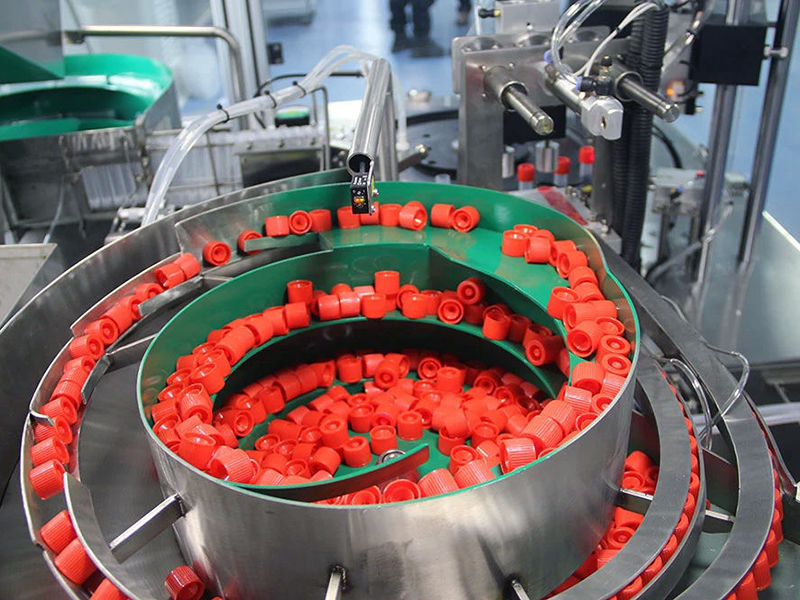
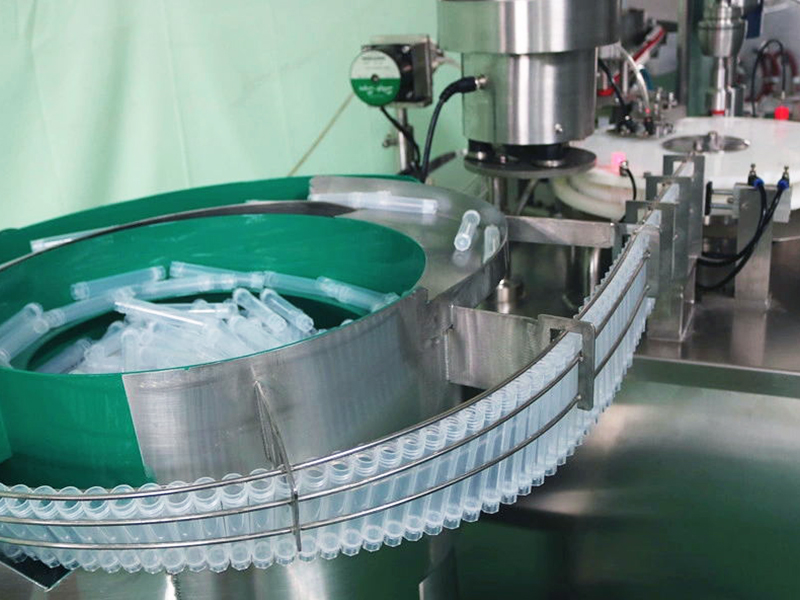
  Automation level of equipment: Automated assembly equipment can be divided into semi-automatic assembly equipment and fully automatic assembly equipment. Semi-automatic equipment usually requires manual assistance in feeding or completing some processes, while fully automatic equipment can integrate functions such as automatic feeding, positioning, assembly, testing and unloading, reducing manual intervention and improving the level of production automation.

  Production efficiency and capacity requirements: Different companies have different requirements for equipment production speed, and therefore require different configurations. High-speed automated assembly equipment typically requires a more rational mechanical structure, a stable transmission system, and a precise control system, which will affect the overall equipment cost.

  Inspection and auxiliary function configuration: Some automated assembly equipment also requires additional functions such as visual inspection, pressure testing, leak detection, automatic screening, and defective product rejection. The more functional modules there are, the higher the design complexity and configuration cost of the equipment.

  Non-standard customization needs: If product specifications are special, or existing standard equipment cannot meet production process requirements, non-standard automated equipment customization is required. The equipment needs to be customized according to the customer's site environment, product size, assembly process, and production requirements; therefore, the specific price needs to be calculated based on the technical solution.
  There is no uniform price standard for automated assembly equipment . The price depends primarily on the equipment structure, level of automation, production speed, product process, and customization requirements. Simple single-station automated assembly equipment differs significantly from multi-station fully automated assembly lines in terms of mechanical structure, control systems, functional configuration, and manufacturing costs, thus their prices will vary. Generally, the more complex the equipment's functions and the higher its level of automation, the higher the requirements for mechanical design, control systems, and precision machining. Especially for non-standard automated assembly equipment, which requires specialized design based on the customer's product characteristics and production processes, the final price will depend on the specific requirements, including scheme evaluation, structural design, parts processing, equipment assembly, and debugging.    What factors influence the price of automated assembly equipment?    Product structure and assembly process: Different products have different assembly difficulties. For example, hardware accessories, plastic parts, electronic components, and medical consumables have different assembly methods, positioning requirements, and processing procedures. The more complex the product structure, the more assembly steps are involved, and the higher the equipment design and manufacturing costs will usually be.    Automation level of equipment: Automated assembly equipment can be divided into semi-automatic assembly equipment and fully automatic assembly equipment. Semi-automatic equipment usually requires manual assistance in feeding or completing some processes, while fully automatic equipment can integrate functions such as automatic feeding, positioning, assembly, testing and unloading, reducing manual intervention and improving the level of production automation.    Production efficiency and capacity requirements: Different companies have different requirements for equipment production speed, and therefore require different configurations. High-speed automated assembly equipment typically requires a more rational mechanical structure, a stable transmission system, and a precise control system, which will affect the overall equipment cost.    Inspection and auxiliary function configuration: Some automated assembly equipment also requires additional functions such as visual inspection, pressure testing, leak detection, automatic screening, and defective product rejection. The more functional modules there are, the higher the design complexity and configuration cost of the equipment.    Non-standard customization needs: If product specifications are special, or existing standard equipment cannot meet production process requirements, non-standard automated equipment customization is required. The equipment needs to be customized according to the customer's site environment, product size, assembly process, and production requirements; therefore, the specific price needs to be calculated based on the technical solution.    Advantages and Selection of Automated Assembly Equipment    Automated assembly equipment transforms traditional manual operations into mechanized and programmed production, reducing repetitive labor and improving product assembly efficiency. Through functions such as automatic feeding, precise positioning, automatic pressing, automatic locking, and quality inspection, it effectively enhances the consistency of product assembly.    Meanwhile, automated equipment can reduce human error, helping companies optimize production processes and lower labor management costs. For manufacturing companies that require long-term mass production, the appropriate introduction of automated assembly equipment can help improve production management and enhance their market competitiveness.    When purchasing automated assembly equipment, companies should not only focus on the equipment price, but also pay close attention to the manufacturer's non-standard design capabilities, mechanical manufacturing level, control technology and after-sales service.    First, it is necessary to clarify the product assembly process, target production capacity, and quality requirements; second, it is necessary to understand whether the equipment is compatible with different product specifications and whether it is easy to maintain and upgrade in the future; finally, it is also necessary to comprehensively consider the equipment's operational stability, operating costs, and production site conditions to select an automation solution that truly meets the company's needs.    GST specializes in the R&D and manufacturing of automated equipment and the customization of non-standard automated equipment. It can provide equipment solutions such as automatic assembly, automatic testing, automatic welding, automatic filling and automated production lines according to customers' product characteristics, production processes and capacity requirements.    For industries such as hardware accessories, medical consumables, plastic products and electronic components, Guanshengtai can plan and customize equipment around processes such as automatic feeding, precise positioning, automatic assembly, visual inspection and finished product unloading, to help companies optimize production processes and improve production efficiency.    The price of automated assembly equipment depends on a comprehensive evaluation of the product structure, assembly process, equipment configuration, production capacity, and non-standard customization requirements. When purchasing equipment, companies should select the appropriate solution based on their own production needs, and should not solely rely on price as the determining factor. GST is committed to providing manufacturing companies with professional automated equipment and non-standard customization services.

  Advantages and Selection of Automated Assembly Equipment

  Automated assembly equipment transforms traditional manual operations into mechanized and programmed production, reducing repetitive labor and improving product assembly efficiency. Through functions such as automatic feeding, precise positioning, automatic pressing, automatic locking, and quality inspection, it effectively enhances the consistency of product assembly.

  Meanwhile, automated equipment can reduce human error, helping companies optimize production processes and lower labor management costs. For manufacturing companies that require long-term mass production, the appropriate introduction of automated assembly equipment can help improve production management and enhance their market competitiveness.

  When purchasing automated assembly equipment, companies should not only focus on the equipment price, but also pay close attention to the manufacturer's non-standard design capabilities, mechanical manufacturing level, control technology and after-sales service.

  First, it is necessary to clarify the product assembly process, target production capacity, and quality requirements; second, it is necessary to understand whether the equipment is compatible with different product specifications and whether it is easy to maintain and upgrade in the future; finally, it is also necessary to comprehensively consider the equipment's operational stability, operating costs, and production site conditions to select an automation solution that truly meets the company's needs.

  GST specializes in the R&D and manufacturing of automated equipment and the customization of non-standard automated equipment. It can provide equipment solutions such as automatic assembly, automatic testing, automatic welding, automatic filling and automated production lines according to customers' product characteristics, production processes and capacity requirements.

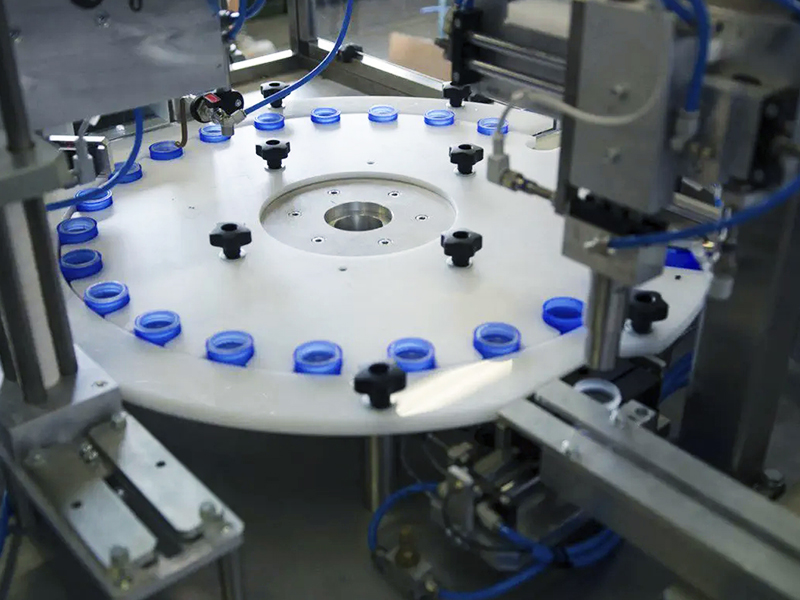
  For industries such as hardware accessories, medical consumables, plastic products and electronic components, Guanshengtai can plan and customize equipment around processes such as automatic feeding, precise positioning, automatic assembly, visual inspection and finished product unloading, to help companies optimize production processes and improve production efficiency.
  There is no uniform price standard for automated assembly equipment . The price depends primarily on the equipment structure, level of automation, production speed, product process, and customization requirements. Simple single-station automated assembly equipment differs significantly from multi-station fully automated assembly lines in terms of mechanical structure, control systems, functional configuration, and manufacturing costs, thus their prices will vary. Generally, the more complex the equipment's functions and the higher its level of automation, the higher the requirements for mechanical design, control systems, and precision machining. Especially for non-standard automated assembly equipment, which requires specialized design based on the customer's product characteristics and production processes, the final price will depend on the specific requirements, including scheme evaluation, structural design, parts processing, equipment assembly, and debugging.    What factors influence the price of automated assembly equipment?    Product structure and assembly process: Different products have different assembly difficulties. For example, hardware accessories, plastic parts, electronic components, and medical consumables have different assembly methods, positioning requirements, and processing procedures. The more complex the product structure, the more assembly steps are involved, and the higher the equipment design and manufacturing costs will usually be.    Automation level of equipment: Automated assembly equipment can be divided into semi-automatic assembly equipment and fully automatic assembly equipment. Semi-automatic equipment usually requires manual assistance in feeding or completing some processes, while fully automatic equipment can integrate functions such as automatic feeding, positioning, assembly, testing and unloading, reducing manual intervention and improving the level of production automation.    Production efficiency and capacity requirements: Different companies have different requirements for equipment production speed, and therefore require different configurations. High-speed automated assembly equipment typically requires a more rational mechanical structure, a stable transmission system, and a precise control system, which will affect the overall equipment cost.    Inspection and auxiliary function configuration: Some automated assembly equipment also requires additional functions such as visual inspection, pressure testing, leak detection, automatic screening, and defective product rejection. The more functional modules there are, the higher the design complexity and configuration cost of the equipment.    Non-standard customization needs: If product specifications are special, or existing standard equipment cannot meet production process requirements, non-standard automated equipment customization is required. The equipment needs to be customized according to the customer's site environment, product size, assembly process, and production requirements; therefore, the specific price needs to be calculated based on the technical solution.    Advantages and Selection of Automated Assembly Equipment    Automated assembly equipment transforms traditional manual operations into mechanized and programmed production, reducing repetitive labor and improving product assembly efficiency. Through functions such as automatic feeding, precise positioning, automatic pressing, automatic locking, and quality inspection, it effectively enhances the consistency of product assembly.    Meanwhile, automated equipment can reduce human error, helping companies optimize production processes and lower labor management costs. For manufacturing companies that require long-term mass production, the appropriate introduction of automated assembly equipment can help improve production management and enhance their market competitiveness.    When purchasing automated assembly equipment, companies should not only focus on the equipment price, but also pay close attention to the manufacturer's non-standard design capabilities, mechanical manufacturing level, control technology and after-sales service.    First, it is necessary to clarify the product assembly process, target production capacity, and quality requirements; second, it is necessary to understand whether the equipment is compatible with different product specifications and whether it is easy to maintain and upgrade in the future; finally, it is also necessary to comprehensively consider the equipment's operational stability, operating costs, and production site conditions to select an automation solution that truly meets the company's needs.    GST specializes in the R&D and manufacturing of automated equipment and the customization of non-standard automated equipment. It can provide equipment solutions such as automatic assembly, automatic testing, automatic welding, automatic filling and automated production lines according to customers' product characteristics, production processes and capacity requirements.    For industries such as hardware accessories, medical consumables, plastic products and electronic components, Guanshengtai can plan and customize equipment around processes such as automatic feeding, precise positioning, automatic assembly, visual inspection and finished product unloading, to help companies optimize production processes and improve production efficiency.    The price of automated assembly equipment depends on a comprehensive evaluation of the product structure, assembly process, equipment configuration, production capacity, and non-standard customization requirements. When purchasing equipment, companies should select the appropriate solution based on their own production needs, and should not solely rely on price as the determining factor. GST is committed to providing manufacturing companies with professional automated equipment and non-standard customization services.
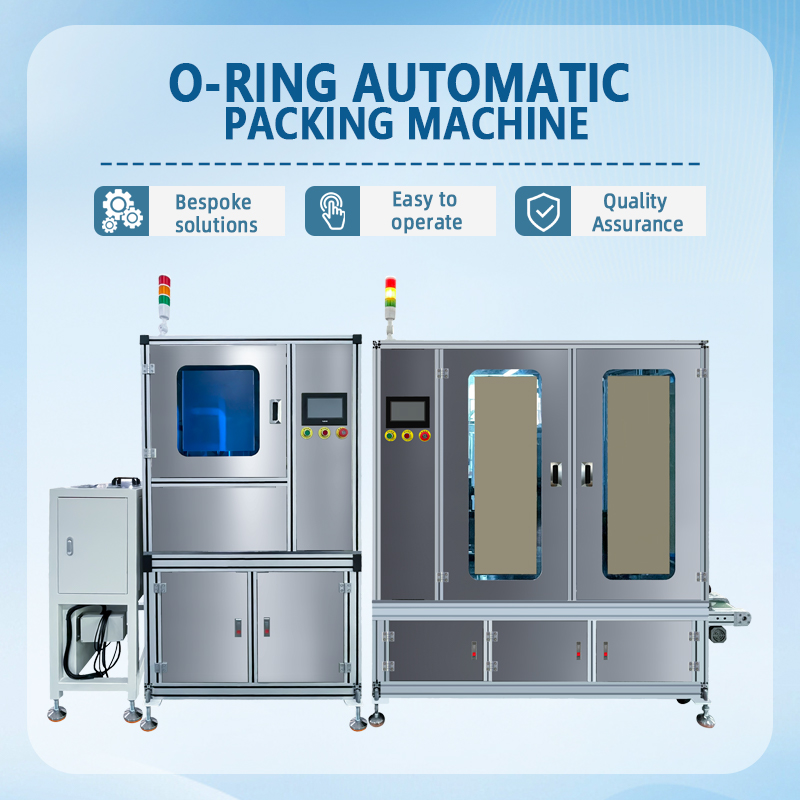
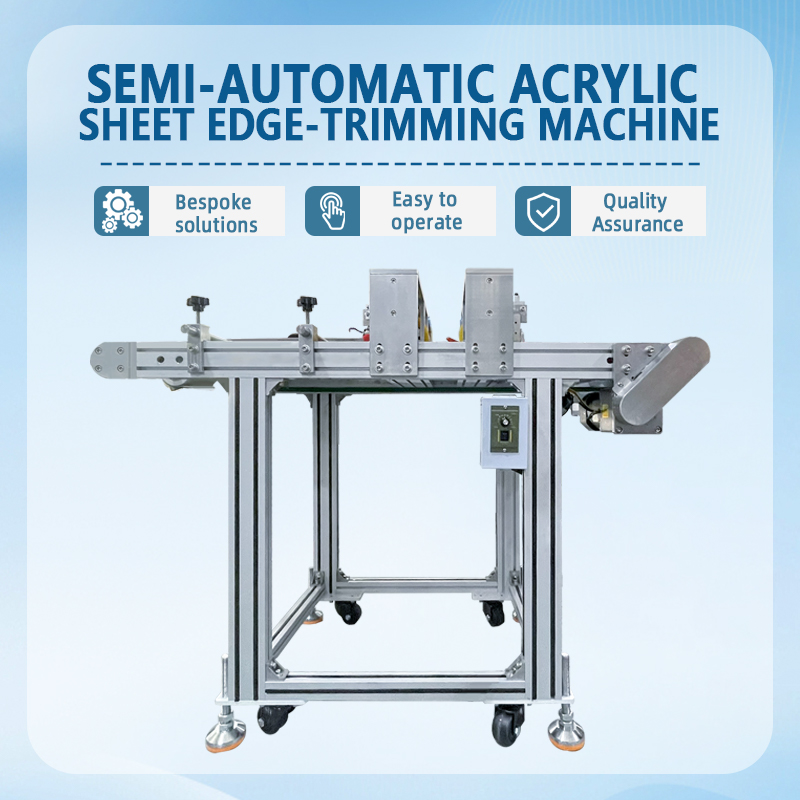
  The price of automated assembly equipment depends on a comprehensive evaluation of the product structure, assembly process, equipment configuration, production capacity, and non-standard customization requirements. When purchasing equipment, companies should select the appropriate solution based on their own production needs, and should not solely rely on price as the determining factor. GST is committed to providing manufacturing companies with professional automated equipment and non-standard customization services.


GST Fully Automated O-Ring Production Line | Equipment for A
GST Semi-Automatic Acrylic Sheet Edge Trimmer | Equipment fo
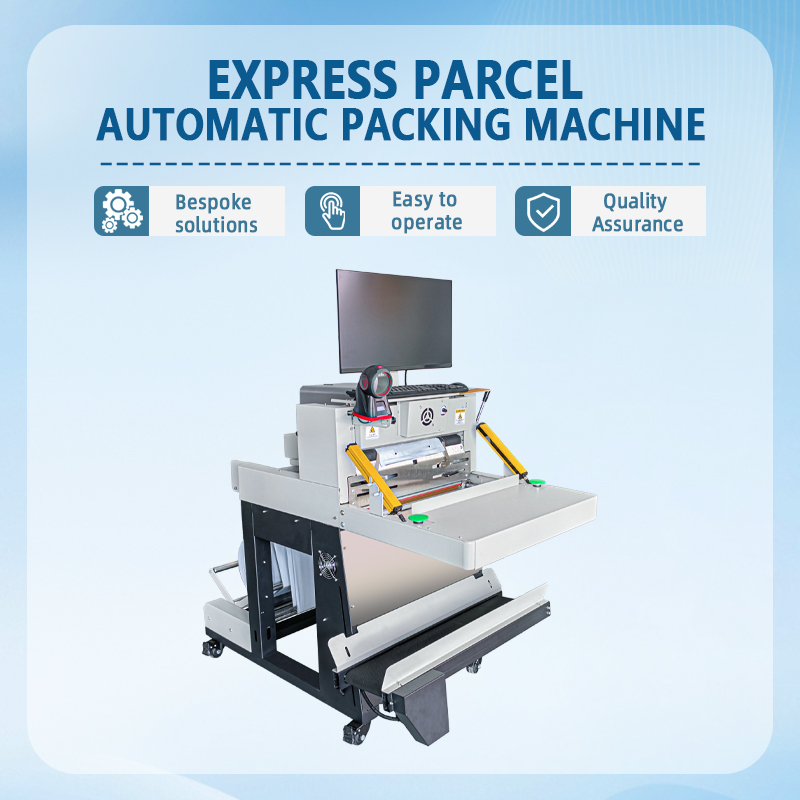
GST Fully Automatic Packing Machine for Express Shipments |

Online Message