Release Date:2026-08-13 16:19:58 Popularity:
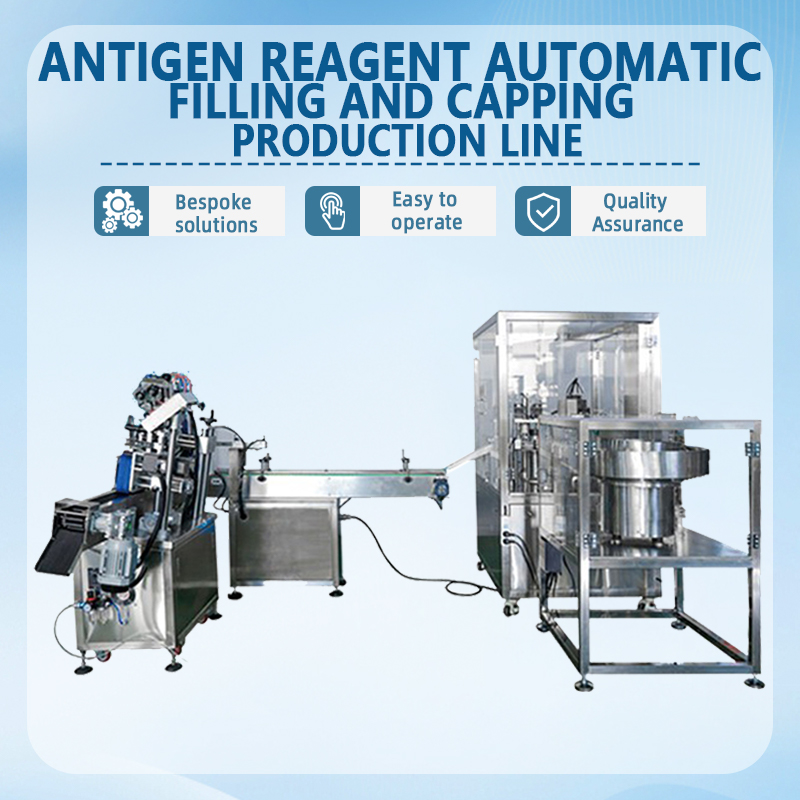
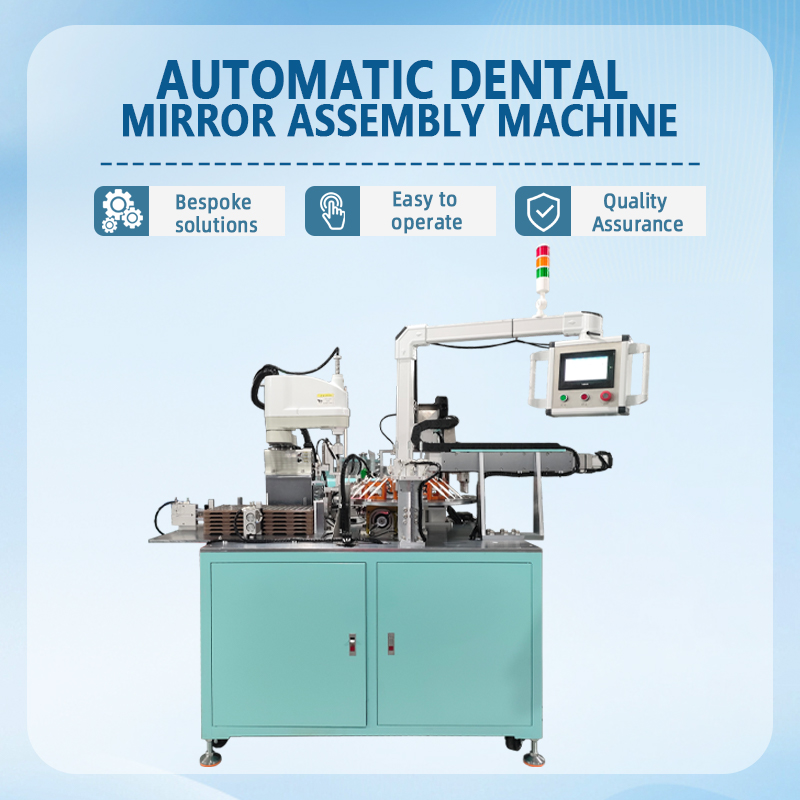
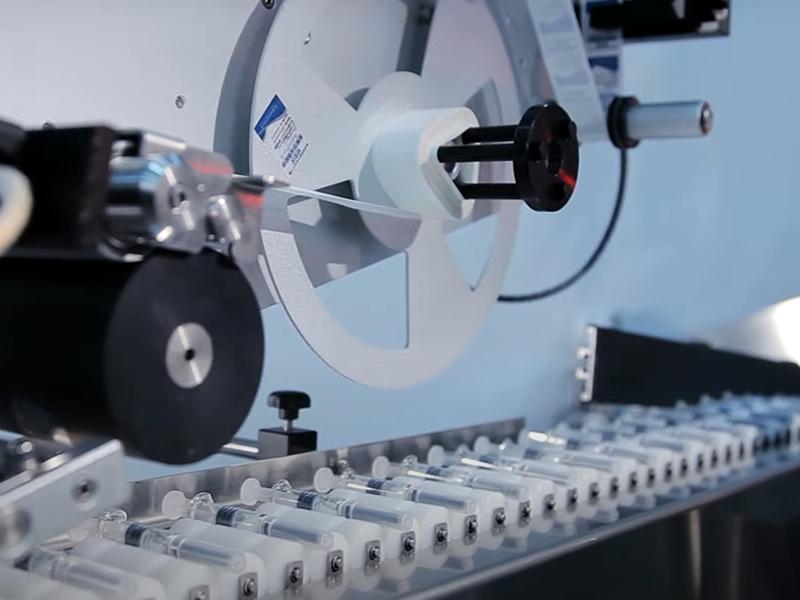
An automated assembly production line is a system of automated equipment designed based on product structure, assembly processes, production cycle times, and capacity requirements. It typically comprises components such as automatic feeding systems, conveyors, positioning mechanisms, assembly units, press-fitting and fastening mechanisms, inspection systems, and unloading systems. By integrating PLC control systems, servo drive technology, industrial robots, and machine vision, these lines execute the automated assembly process—transforming components into finished products. Compared to standalone equipment, automated assembly lines enable seamless transitions between multiple processes and minimize manual intervention, thereby boosting production efficiency and product consistency. They are particularly well-suited for industries such as medical consumables, electronic components, hardware fittings, plastic products, automotive parts, and consumer goods.
Key Advantages of Automated Assembly Production Lines
Increased Production Efficiency: Automated assembly lines ensure continuous, stable operation with synchronized collaboration across multiple workstations, significantly reducing the time spent on manual loading/unloading and process waiting. For enterprises facing high order volumes and tight deadlines, automated assembly equipment substantially boosts output per unit of time, enabling rapid responses to market demand.
Enhanced Assembly Precision: Assembly precision directly impacts final product quality. Through high-precision positioning, servo control, and specialized tooling/fixtures, automated assembly lines ensure every component is correctly installed. This minimizes issues such as missing parts, incorrect assembly, and misalignment, thereby improving product pass rates and batch consistency.
Reduced Labor Costs: Assembly processes characterized by high repetition and labor intensity often require a large workforce. Automated assembly lines can replace multiple repetitive roles, reducing labor input and cutting costs associated with personnel training, management, and turnover, ultimately helping enterprises achieve long-term cost reductions and efficiency gains.
Support for In-line Inspection: Modern automated assembly lines go beyond mere assembly; they can integrate modules for visual, dimensional, airtightness, and functional testing. This allows for real-time quality assessment during production, automatic rejection of defective items upon detection of anomalies, and an overall elevation of quality management standards.
Meeting Flexible Production Needs: As the pace of product innovation accelerates, enterprises require greater production flexibility. Automated assembly lines can be designed in a modular fashion to accommodate specific product models and process requirements; by swapping fixtures, adjusting programs, and reconfiguring workstations, they enable the flexible production of products across various specifications and models.
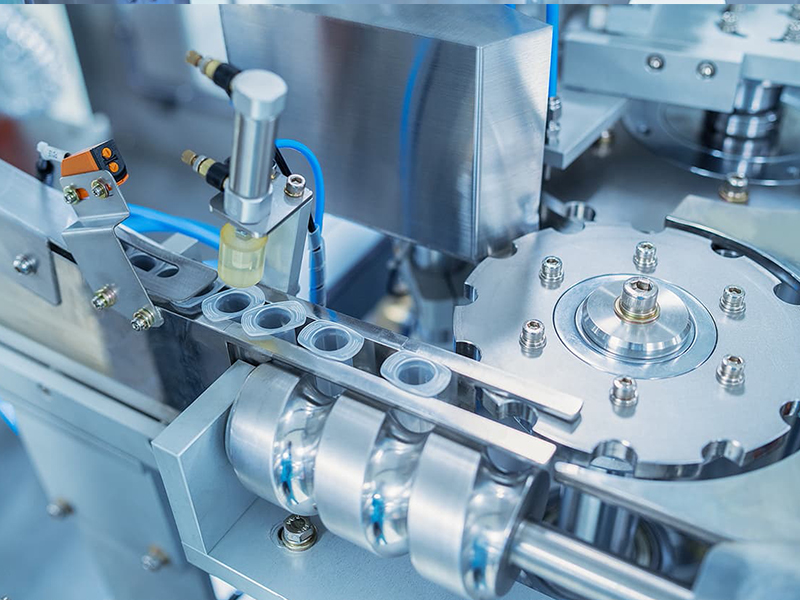
Guanshentai Automated Assembly Line Solutions
As a professional enterprise dedicated to the R&D and manufacturing of automation equipment, Guanshentai has long focused on developing automated assembly lines, automatic assembly machines, automatic inspection equipment, and intelligent packaging lines. We possess extensive project experience and a mature technical team.
Guanshentai provides comprehensive, one-stop solutions—ranging from conceptual design, equipment R&D, and manufacturing/installation to after-sales service—tailored to the specific product characteristics, process flows, capacity requirements, and factory layouts of our clients.
Our equipment supports a wide range of functions, including automatic feeding, positioning, assembly, press-fitting, welding, fastening, in-line inspection, and unloading, helping enterprises build efficient, stable, and intelligent production systems.
Currently, Guanshentai’s automated assembly lines are widely used across various industries, including medical consumables, electronics manufacturing, hardware accessories, plastic products, household goods, and laboratory consumables.
For instance, our systems are used for the automatic assembly and inspection of products such as pipettes, centrifuge tubes, reagent kits, syringes, blood collection needles, sampling swabs, O-rings, check valves, clothes hangers, and trouser racks, providing clients with high-efficiency, high-quality support for intelligent manufacturing.
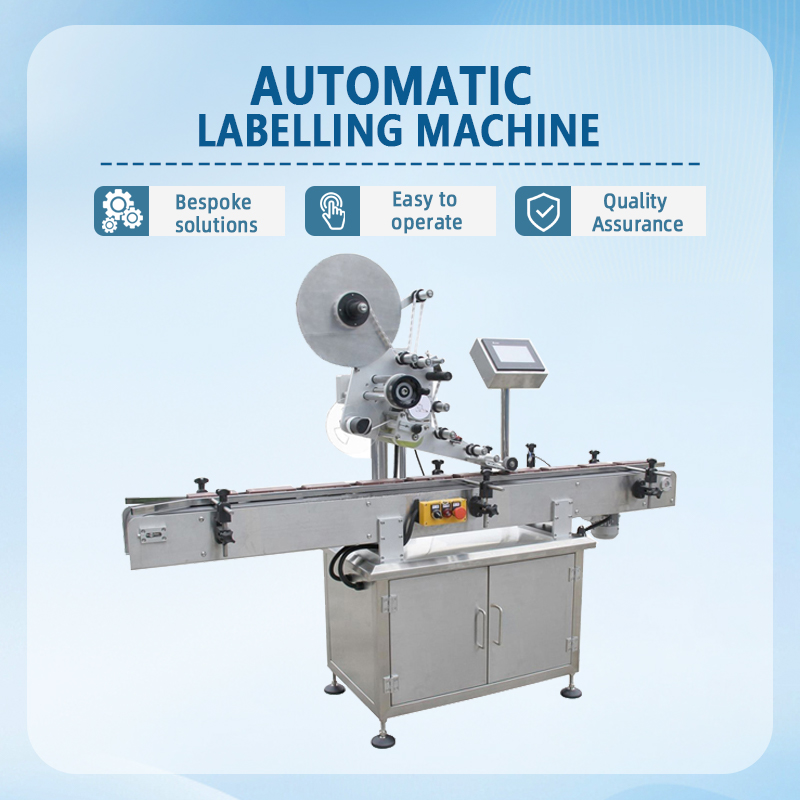
Furthermore, Guanshentai can integrate automated assembly lines with robotic handling systems, automatic packaging machines, automatic labeling machines, and MES (Manufacturing Execution System) platforms. This creates a complete automated assembly ecosystem that enables the digitization, visualization, and traceability of the entire production process, helping enterprises build advanced smart factories.
At the same time, modular design, energy efficiency, and open interfaces are emerging as key industry trends; these features enhance equipment scalability and ease of maintenance while meeting the evolving upgrade needs of enterprises.
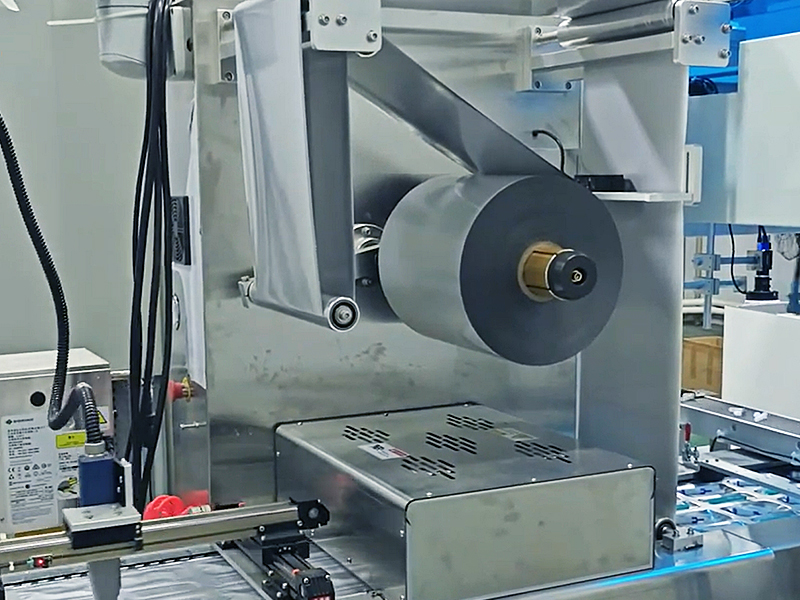
For modern manufacturing enterprises, adopting professional automated assembly lines not only boosts production efficiency and product quality but also effectively reduces overall operating costs and strengthens core competitiveness. Consequently, an increasing number of enterprises are implementing automated assembly lines, utilizing technologies such as automatic feeding, assembly, inspection, and unloading to achieve continuous, standardized, and intelligent production processes. As a company specializing in the R&D and manufacturing of automation equipment, Guanshentai focuses on the development of automated assembly lines and custom automation equipment, providing clients with efficient, stable, and customizable intelligent assembly solutions.