Release Date:2026-11-11 16:05:10 Popularity:
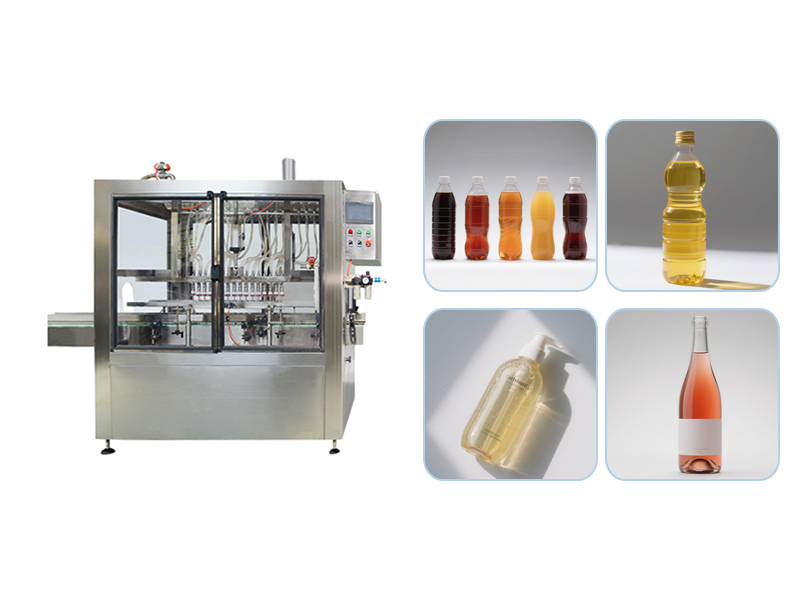
The price of an automatic beverage filling machine needs to be determined based on actual production needs. Different companies have different product types, bottle sizes, filling capacities, and daily outputs, resulting in different equipment configurations. Simple automatic quantitative filling equipment differs significantly in structure and configuration from a complete production line integrating automatic bottle loading, filling, sealing, labeling, and conveying, thus affecting the price. If a company only needs to complete a single filling process, a stand-alone automatic filling machine can be considered; if it wants to reduce manual operation and improve the overall efficiency of the production line, it can choose multi-station filling equipment or a fully automatic filling production line based on its production process. When purchasing, it is recommended to conduct a comprehensive evaluation based on budget, production capacity, and future expansion plans, rather than simply comparing equipment quotes.
Main factors affecting the price of automatic beverage filling machines
Filling methods and product types: Different beverage products have different viscosity, flowability, and composition, requiring different filling methods. For example, mineral water, fruit juice, and tea beverages require appropriate filling structures and control methods based on their liquid characteristics. The closer the equipment design is to the product's process, the more conducive it is to stable production.
Number of filling heads and production speed: The number of filling heads, operating cycle time, and production line speed will affect the overall equipment configuration. Enterprises should select appropriate equipment specifications based on actual output to avoid insufficient equipment capacity affecting delivery time, and also to avoid blindly pursuing high-speed configurations and increasing unnecessary procurement costs.
Automation level: Some equipment mainly performs automatic quantitative filling, while a complete automated production line may also include processes such as automatic feeding, bottle positioning, capping, labeling, detection, and conveying. The higher the level of automation, the more complex the system integration and control requirements are, and the equipment investment will change accordingly.
Non-standard customization needs: If a company uses special bottle shapes or irregularly shaped containers, or has special requirements for filling precision, production cycle time, and processes, non-standard design may be required. The customization details, supporting mechanisms, and control systems will all affect the final quote.
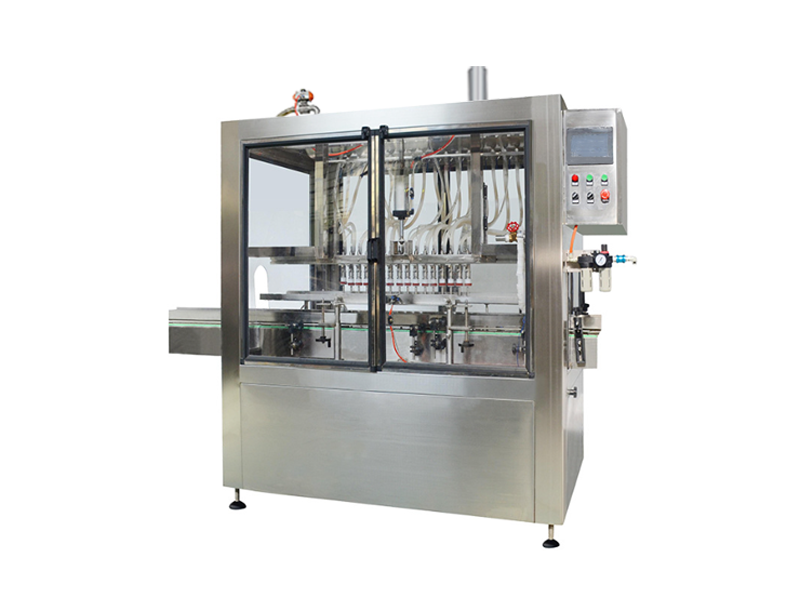
Which industries are suitable for automatic beverage filling machines ?
Automatic beverage filling machines are widely used in the food and beverage production industry, and can be used for quantitative filling of mineral water, purified water, fruit juice, tea beverages, plant protein beverages, dairy beverages, and other liquid products. By rationally configuring the filling, sealing, and conveying processes, companies can improve production processes, reduce manual labor, and increase filling efficiency and production management levels.
Before purchasing equipment, companies should clearly define their product types, packaging containers, filling capacity, target output, and workshop layout. They should also focus on assessing the equipment's metering stability, ease of operation, cleaning and maintenance methods, and future upgrade potential. Additionally, they need to understand the equipment supplier's solution design capabilities, manufacturing experience, installation and commissioning expertise, and after-sales service.
It is recommended to provide the manufacturer with samples, process requirements, and production capacity targets to obtain a tailored equipment solution and configuration quotation. When comparing quotations, pay attention to the functions included in the equipment, the supporting components, and the scope of services, and avoid making a decision based solely on the initial price.
GST specializes in the research and development and manufacturing of automated equipment, providing automated filling equipment and non-standard automation solutions tailored to customers' product characteristics, production processes, and capacity requirements. For beverage and liquid product production needs, companies can plan corresponding quantitative filling, automated conveying, and supporting processes based on actual packaging formats and production flows, helping customers optimize their production processes.
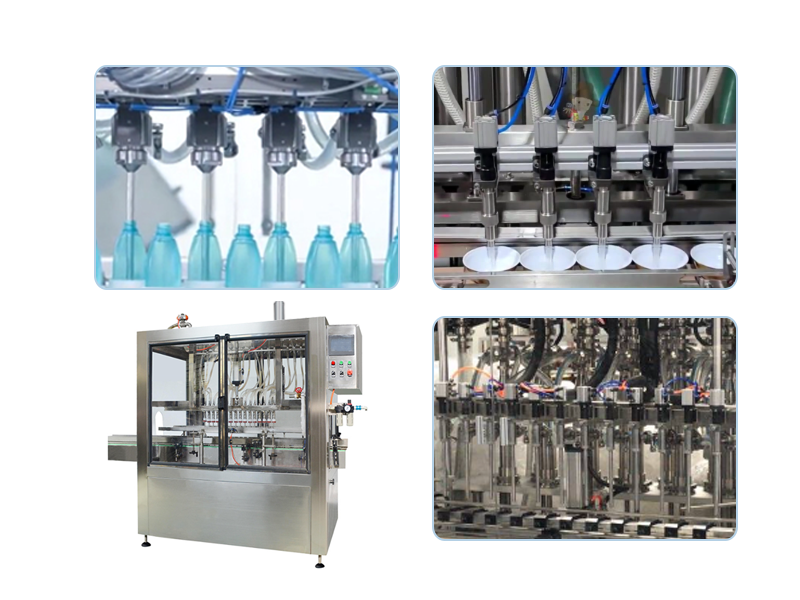
The price of an automatic beverage filling machine depends primarily on the filling method, equipment capacity, level of automation, functional configuration, and customization requirements. Before purchasing, companies should clearly define their production needs, comprehensively compare equipment performance, configuration, and services, and choose a solution suitable for their production scale. Selecting equipment manufacturers with solution design and non-standard customization capabilities helps improve the matching degree between the equipment and production processes, supporting stable and efficient automated production for beverage manufacturers.