Release Date:2026-08-17 15:49:32 Popularity:
Industrial automated assembly equipment refers to a class of automated systems developed to accommodate specific product structures and assembly processes. By integrating technologies such as mechanical mechanisms, PLC control systems, servo motion systems, pneumatic components, industrial robots, and machine vision, these systems automatically execute production steps—including component feeding, alignment, positioning, press-fitting, insertion, fastening, welding, inspection, and unloading. Compared to traditional manual assembly, these systems perform tasks consistently according to preset programs, enabling standardized production workflows. Furthermore, the equipment can be customized based on product structure, production cycle times, and factory floor layout, making it suitable for a wide range of industrial manufacturing scenarios.
Key Advantages of Industrial Automated Assembly Equipment
Increased Production Efficiency: Automated assembly equipment operates continuously at set cycle times, seamlessly linking multiple assembly steps and minimizing time lost to manual loading/unloading or waiting between processes. For high-volume manufacturers, automation boosts output per unit of time, shortens production cycles, and enhances order fulfillment capabilities.
Enhanced Assembly Precision: The quality of component assembly directly impacts product performance and service life. Utilizing high-precision positioning mechanisms, servo controls, and specialized tooling/fixtures, automated equipment effectively regulates assembly positioning and force. This minimizes issues such as missing components, incorrect assembly, and misalignment, thereby improving product consistency and pass rates.
Reduced Labor Costs: For assembly tasks that are highly repetitive or labor-intensive, automation significantly reduces the need for manual intervention. Enterprises can lower labor input and cut the comprehensive costs associated with employee training, workforce management, and staff turnover, achieving long-term, stable cost reductions and efficiency gains.
Support for In-line Quality Inspection: Modern automated assembly equipment can integrate modules for machine vision, dimensional measurement, pressure testing, airtightness testing, and functional testing, allowing assembly and inspection to occur simultaneously. By automatically identifying and sorting out defective products, the equipment mitigates the risk of batch quality issues and elevates the overall standard of production quality management.
Meeting Flexible Production Needs: Modern manufacturing enterprises face challenges such as rapid product updates and diverse product specifications. Industrial automated assembly equipment can feature a modular design, enabling the production of different product models and enhancing equipment utilization through the replacement of tooling and fixtures, adjustments to control programs, or the addition of functional modules.
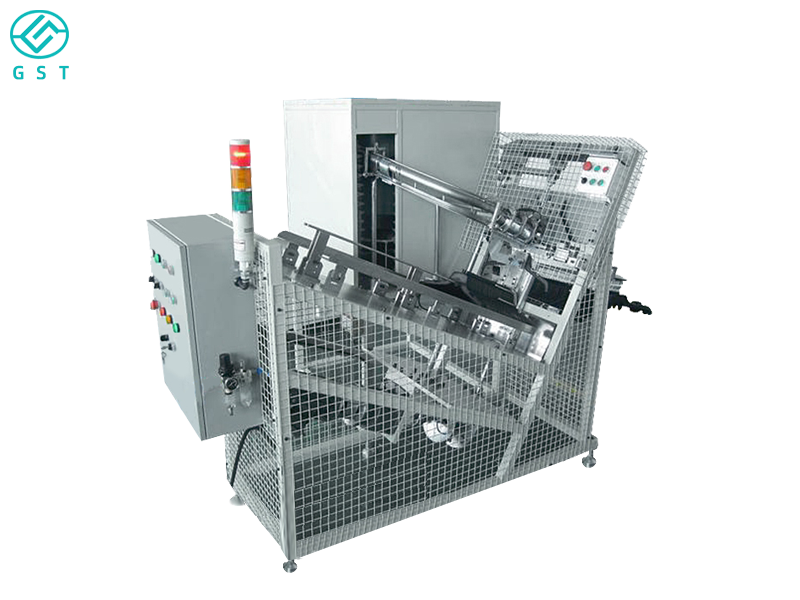
Guanshentai Industrial Automation Assembly Equipment Solutions
As a professional manufacturer of industrial automation assembly equipment, Guanshentai has long focused on the R&D and manufacturing of automated assembly machines, custom (non-standard) automation equipment, intelligent inspection systems, and automated production lines, backed by extensive project experience and a professional technical team.
Guanshentai provides comprehensive, one-stop solutions tailored to specific customer needs—including product structure, assembly processes, production cycle times, and workshop layouts—covering everything from conceptual design, mechanical and electrical engineering, and equipment manufacturing to on-site commissioning and after-sales service.
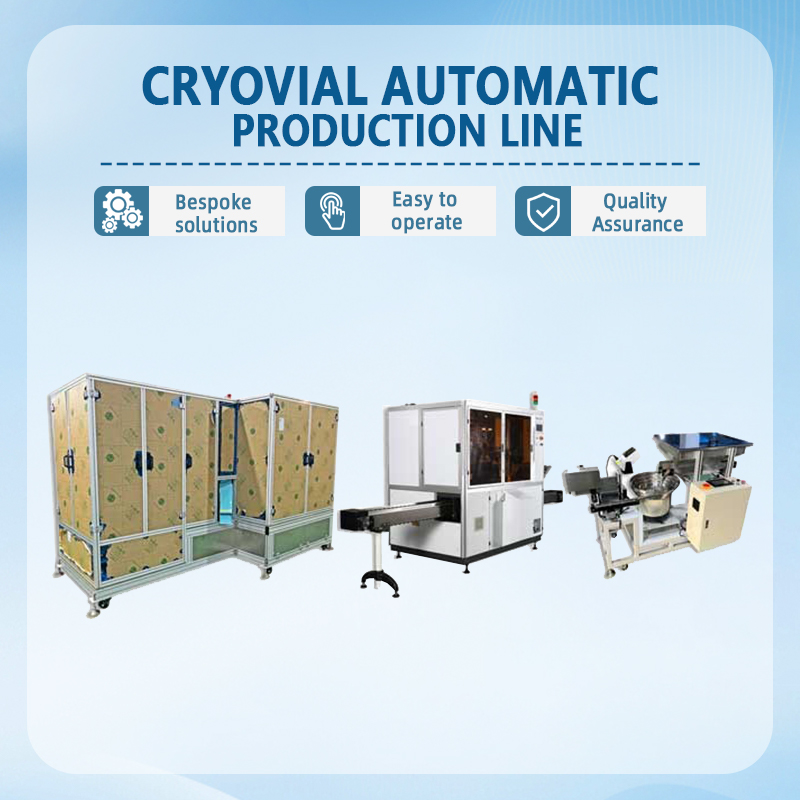
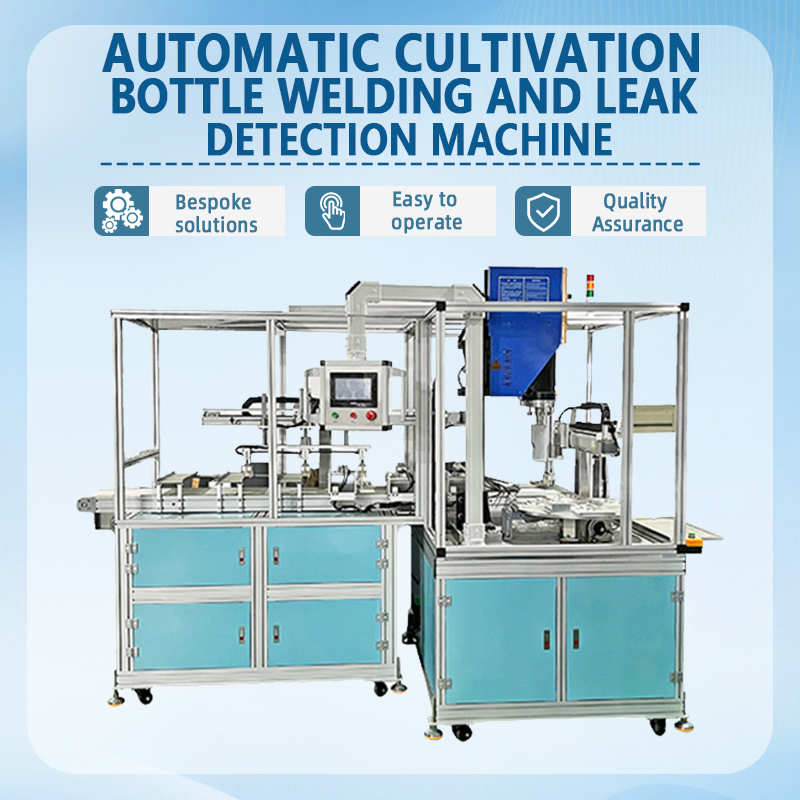
The equipment can be configured with various functions based on actual requirements, such as automatic feeding systems, vibratory bowl feeders, flexible feeding mechanisms, robotic arms, vision-based positioning, automatic press-fitting, ultrasonic welding, fastening/screwing, and in-line inspection.
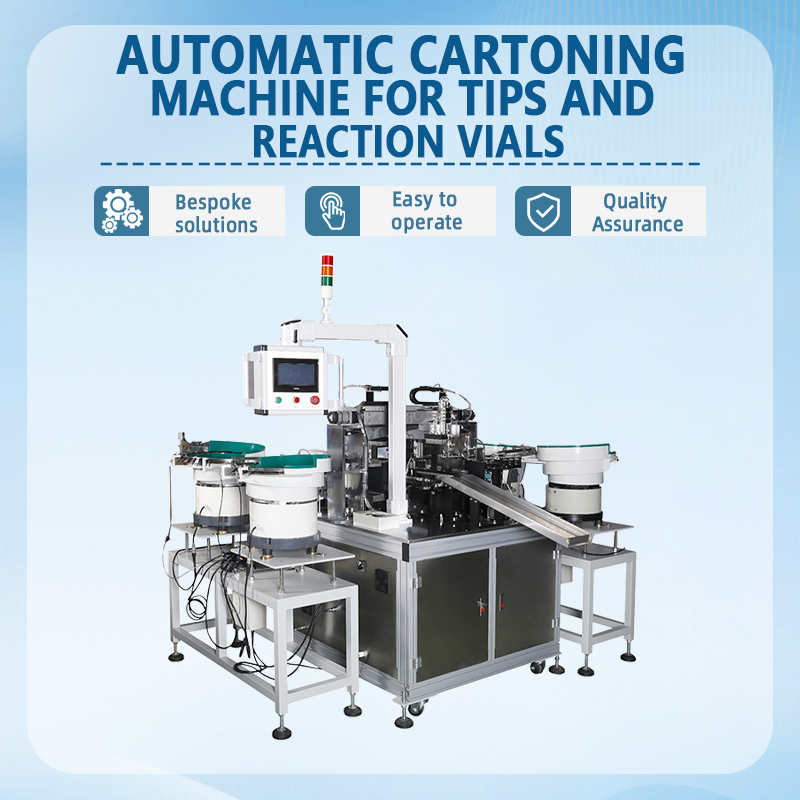
In the medical consumables sector, Guanshentai’s equipment supports the automated assembly of products such as pipettes, centrifuge tubes, reagent kits, syringes, blood collection needles, and sampling swabs. In the industrial manufacturing sector, it facilitates the automated assembly and inspection of components like O-rings, check valves, hardware fittings, electronic connectors, and plastic parts.
Furthermore, Guanshentai offers full-line integration—combining assembly equipment with robotic handling systems, automatic packaging machinery, vision inspection systems, and MES (Manufacturing Execution Systems)—to create intelligent, automated production lines that manage the entire process from component feeding to finished product output, enabling digitalization, visualization, and traceability.
Driven by advancements in artificial intelligence, industrial robotics, machine vision, and the Industrial Internet, industrial automation assembly equipment is evolving toward higher speeds, greater intelligence, increased flexibility, and digitalization. Future equipment will feature enhanced capabilities in automatic identification, precision positioning, intelligent inspection, and automatic changeover, while utilizing data acquisition systems to monitor equipment operation and analyze production data.
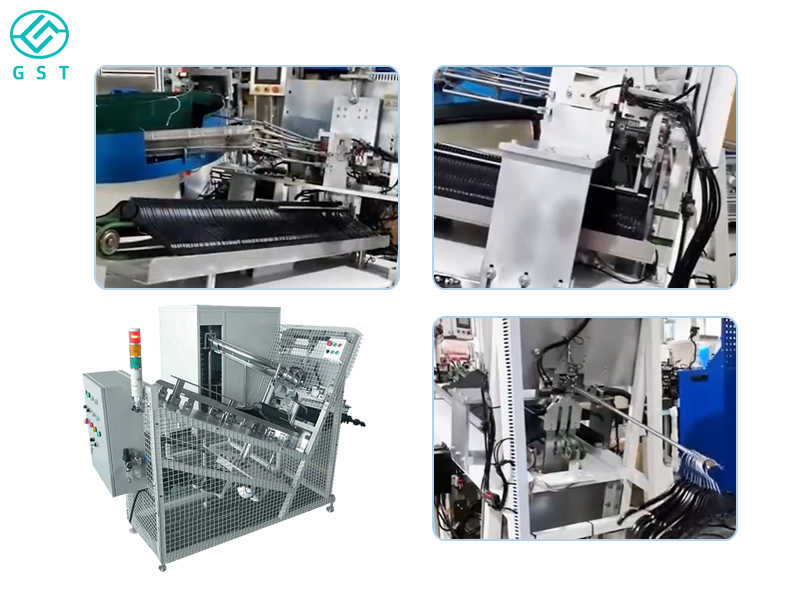
For modern manufacturing enterprises, adopting advanced industrial automation assembly equipment not only boosts production efficiency and assembly quality but also reduces overall operating costs, laying a solid foundation for the development of smart factories and digital production systems. An increasing number of manufacturing enterprises are adopting industrial automated assembly equipment, leveraging technologies such as automatic feeding, precision positioning, automated assembly, and in-line inspection to achieve standardization and intelligence in their production processes. As a company specializing in the R&D and manufacturing of automation equipment, Guanshentai has long focused on industrial automation systems and custom-designed automated production lines, providing clients with efficient, stable, and customizable intelligent assembly solutions.