Release Date:2026-11-13 16:14:01 Popularity:
Choosing the best automated production line manufacturer cannot be based solely on price or promotional materials. Companies should consider their own industry characteristics and comprehensively evaluate manufacturers based on their R&D capabilities, customization capabilities, equipment stability, project experience, and after-sales service. Selecting a manufacturer that understands production processes, provides reasonable solutions, and offers continuous technical support is crucial to ensuring the automated production line truly functions effectively, helping companies improve production efficiency, optimize product quality, and achieve more stable and efficient intelligent production.

What are the advantages of automated production lines?
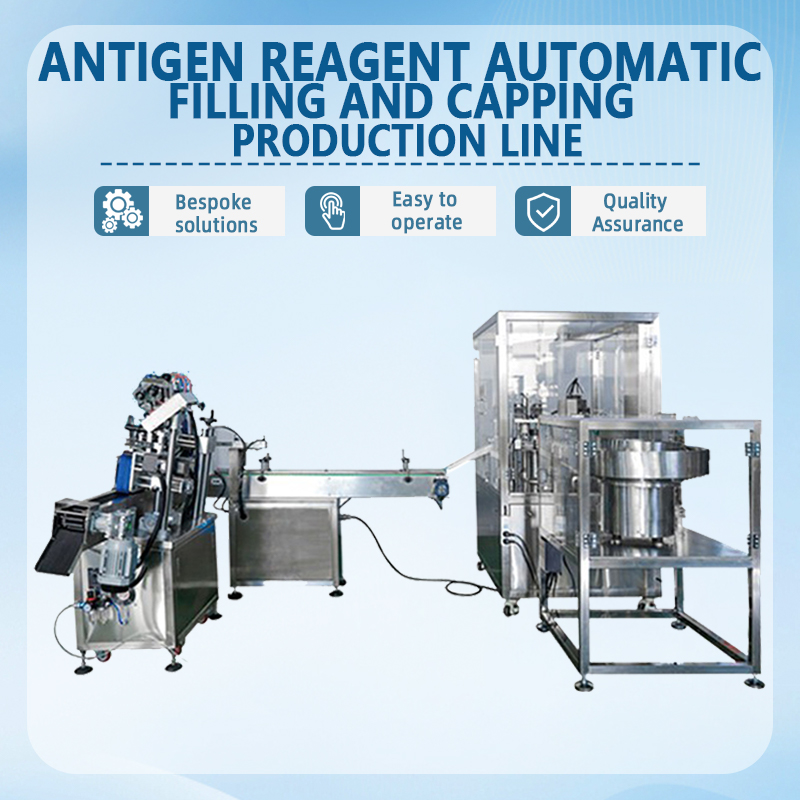
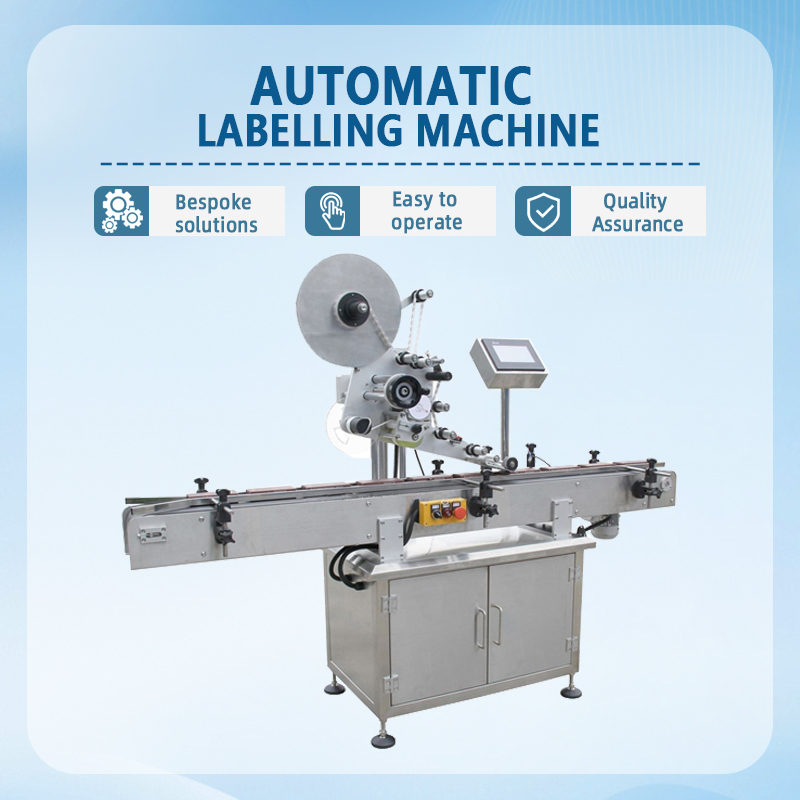
An automated production line is a continuous production system composed of mechanical equipment, control systems, sensors, and conveying devices. It can automatically perform processes such as feeding, positioning, processing, assembly, testing, packaging, and finished product output according to product process requirements. Compared with traditional manual production methods, automated production lines have the following advantages:
Improve production efficiency: Automated equipment can run continuously according to the set production rhythm, reducing manual operation and process waiting time, and helping companies increase product output per unit time.
Improving product consistency: Mechanical positioning, program control, and automatic detection can reduce human error, making the product manufacturing process more standardized and improving the stability of product quality.
Reduce labor management costs: Automated production lines can handle highly repetitive production tasks, reduce some manual operation positions, and reduce the company's dependence on the number and skill level of workers.
Optimize production management: By using information such as equipment operation data, production cycle time, and test results, enterprises can better understand the production situation and provide a reference for subsequent process optimization and production management.

Five key aspects to consider when evaluating an automated production line
Manufacturer's R&D and design capabilities: Different companies have different product structures, production processes, and capacity requirements. Excellent automated production line manufacturers should possess certain mechanical design, electrical control, and system integration capabilities, enabling them to plan equipment solutions based on customers' actual needs, rather than simply providing standard equipment.
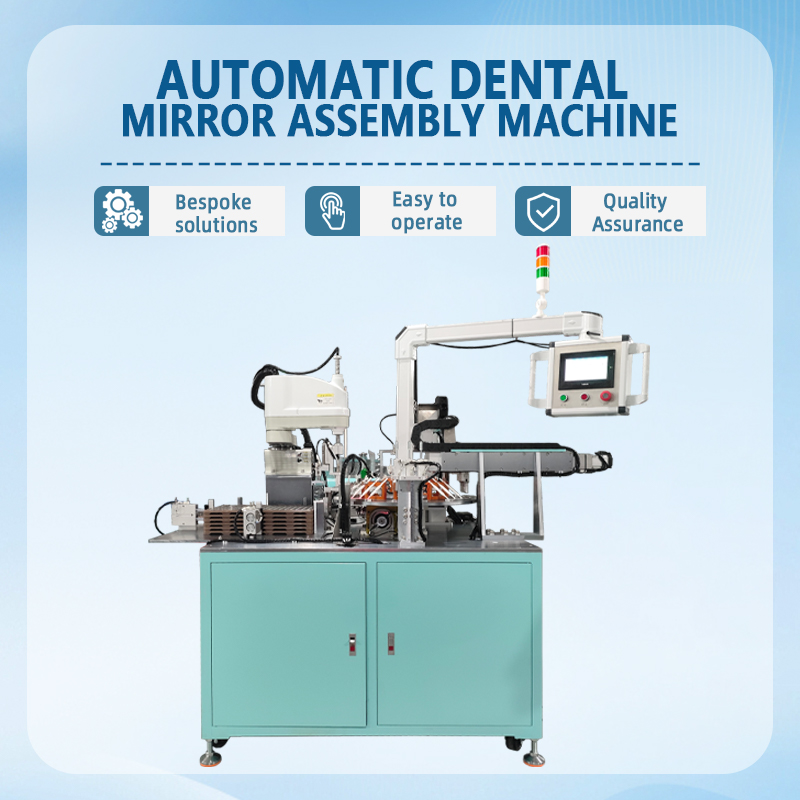
Non-standard automation customization capabilities: For industries such as medical consumables, laboratory consumables, hardware accessories, and plastic products, product processes often have certain unique characteristics. A manufacturer's ability to design specialized tooling, automated feeding mechanisms, assembly mechanisms, and testing systems based on product characteristics is a crucial factor in assessing its overall strength.
Equipment operational stability: Automated production lines typically require continuous operation for extended periods; therefore, special attention should be paid to the mechanical structure, control system, key components, and ease of maintenance. Before purchasing, it's advisable to understand the manufacturer's equipment manufacturing process, commissioning methods, and relevant project experience.
Industry Application Experience: Different sectors have different requirements for automated production lines. For example, medical consumables production focuses on assembly accuracy and testing processes, the hardware industry emphasizes processing and assembly efficiency, and the packaging industry prioritizes measurement, packaging, and seamless transport. Manufacturers with relevant industry project experience are better able to understand their clients' actual production needs.
After-sales service and technical support: Automated production lines involve installation, commissioning, operation training, and routine maintenance. When purchasing equipment, companies should ascertain whether the manufacturer can provide technical support after delivery, as well as services such as troubleshooting, spare parts supply, and subsequent upgrades.

When searching for the best automated production line provider , in addition to focusing on equipment price, it's crucial to consider the manufacturer's solution design capabilities and project implementation experience. GST specializes in the R&D and manufacturing of automated equipment, providing automated equipment and non-standard customized solutions for fields such as medical consumables, laboratory consumables, hardware accessories, plastic products, and packaging. For companies with specific process requirements, early needs communication, product analysis, and solution design can clarify equipment functions, production cycles, and supporting configurations, ensuring the automated production line better meets actual production needs.