Release Date:2026-08-18 16:24:27 Popularity:
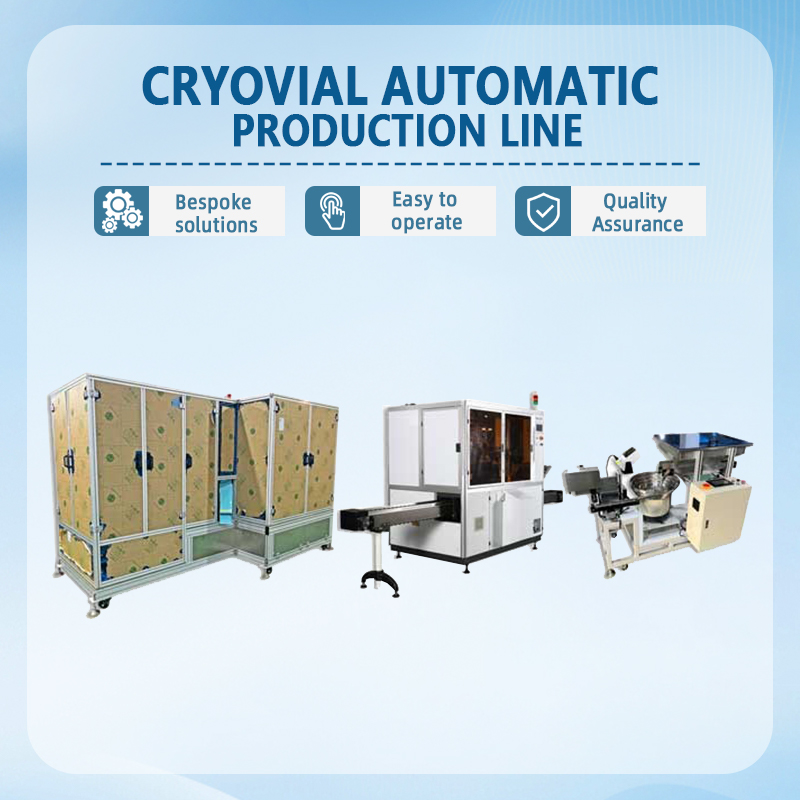
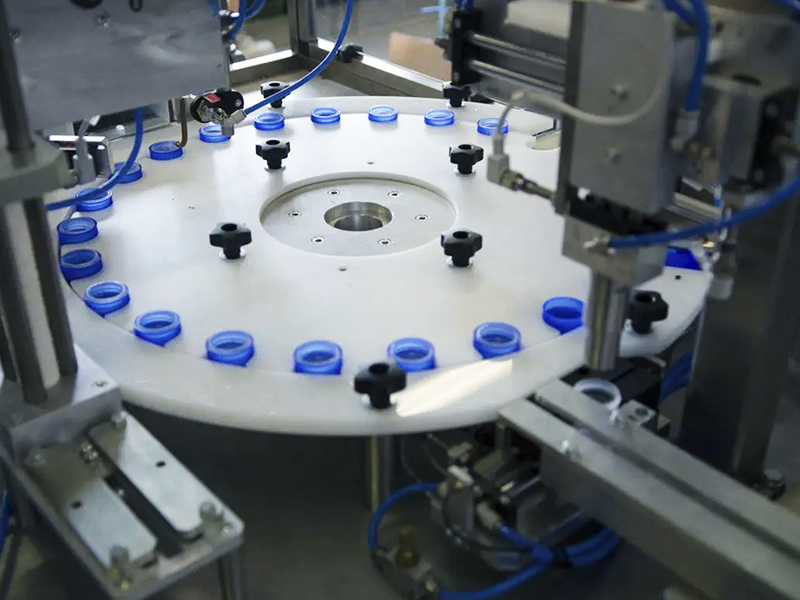
Fully automated assembly equipment is an intelligent system capable of automatically completing processes such as component loading, feeding, positioning, assembly, pressing, fastening, welding, inspection, and unloading based on product structure and production processes. The equipment typically consists of an automatic feeding system, a precision positioning mechanism, a robotic arm, a servo motion system, a PLC control system, machine vision, and online inspection modules. Through the coordinated operation of these functional modules, the traditional manual assembly process is transformed into a standardized, continuous production process. Depending on different product types and process requirements, fully automated assembly equipment can be widely used in various industries, including medical consumables, electronic components, hardware parts, plastic products, automotive parts, laboratory consumables, and daily necessities.
Core Advantages of Fully Automated Assembly Equipment
Increased Production Efficiency: Fully automated assembly equipment can operate continuously according to a set production rhythm, automatically connecting processes such as loading, positioning, assembly, and inspection, significantly reducing manual loading/unloading and process waiting time. For companies producing large volumes of orders, fully automated assembly equipment can effectively increase output per unit time, shorten production cycles, and enhance order delivery capabilities.
Improved Assembly Precision: Product assembly precision directly affects the final product quality. Fully automated assembly equipment employs high-precision servo control, positioning mechanisms, and specialized tooling fixtures to accurately complete component assembly actions, reducing human error. For high-precision products, visual positioning and online inspection systems can be added to promptly identify assembly anomalies, improving product consistency and finished product pass rates.
Reduced Labor Costs: Traditional assembly production requires a significant amount of manual labor, especially for repetitive and labor-intensive processes. Fully automated assembly equipment can replace some repetitive manual operations, reducing personnel input and lowering costs associated with employee training, job management, and staff turnover. Through long-term stable operation, companies can further optimize production resource allocation, achieving continuous cost reduction and efficiency improvement.
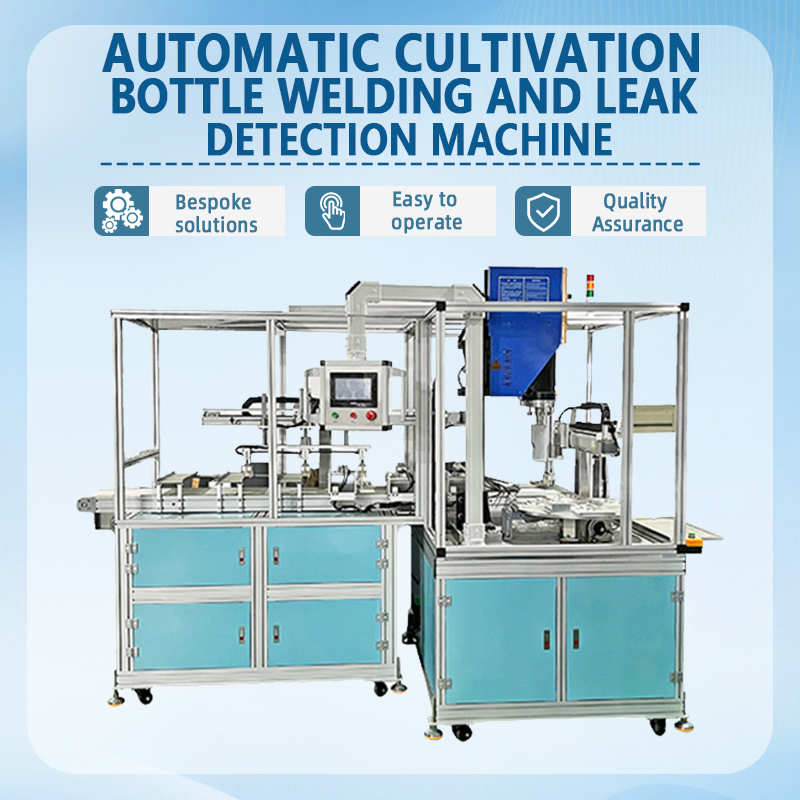
Automated Inspection: Modern fully automated assembly equipment not only completes product assembly but also integrates modules for machine vision, dimensional inspection, pressure testing, airtightness testing, and functional testing. After assembly, the system can automatically determine whether the product meets requirements, automatically rejecting and classifying defective products, improving quality inspection efficiency, and reducing the flow of defective products into subsequent processes.
Support for Flexible Production: As market demands constantly change, companies need to have multi-variety production capabilities. Fully automated assembly equipment can adopt a modular design, allowing for rapid switching between different product models by changing tooling fixtures, adjusting control programs, or adding functional modules. This flexible production capability helps companies better adapt to product upgrades and market changes.
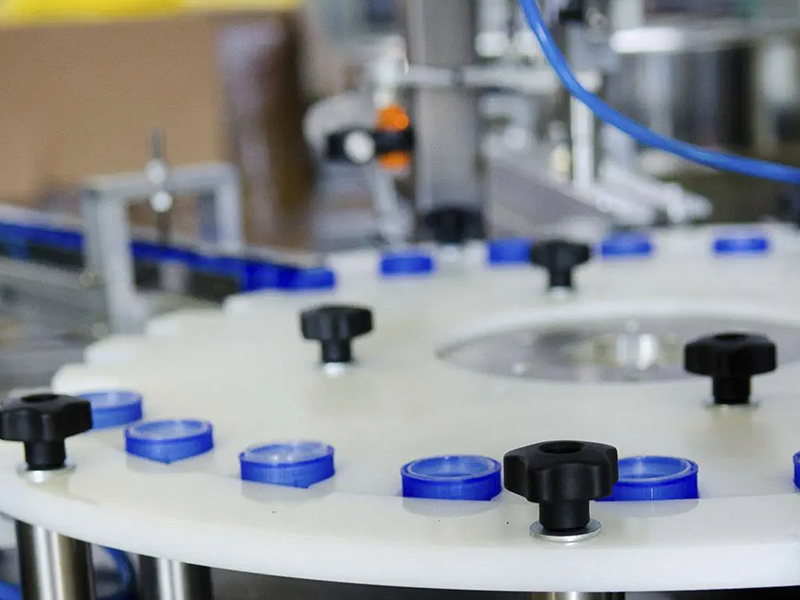
Guanshentai fully automatic assembly equipment solutions
As a professional manufacturer of fully automatic assembly equipment, Guanshentai has long been focused on the R&D and manufacturing of automatic assembly machines, non-standard automation equipment, intelligent testing equipment and automated production lines, and has rich project experience and a professional technical team.
Guanshentai can provide enterprises with one-stop automation services from process analysis, scheme design, equipment research and development, to manufacturing and installation, debugging and acceptance and after-sales maintenance based on the customer's product structure, assembly process, production rhythm, production capacity requirements and factory layout.
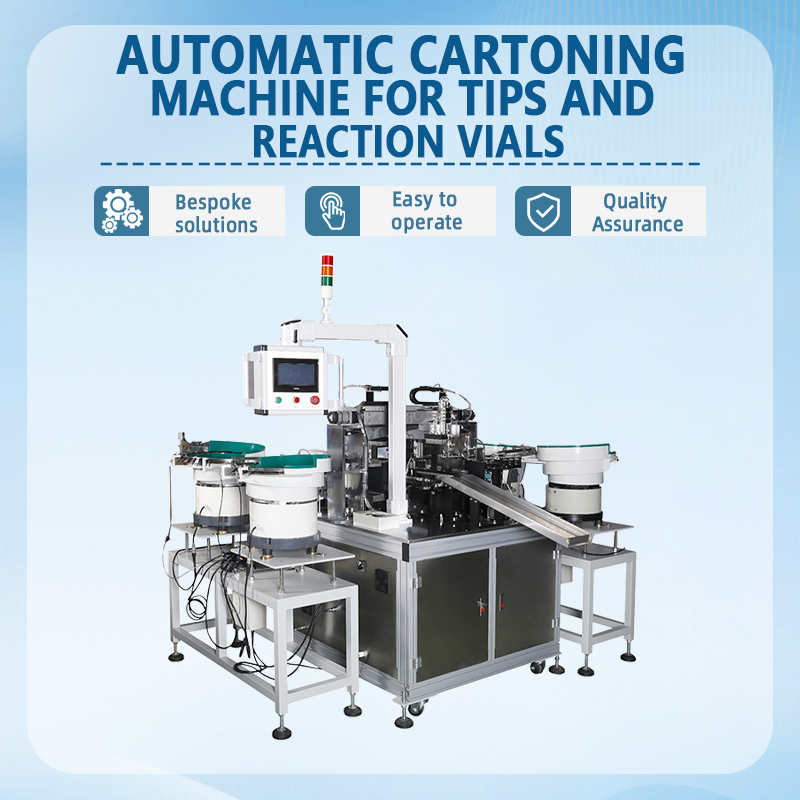
In the medical consumables industry, Guanshentai's fully automatic assembly equipment can be used for the automatic assembly of pipettes, centrifuge tubes, test kits, syringes, blood collection needles, sampling swabs, culture bottles and other products; in the industrial manufacturing field, it can be used for the automatic assembly and testing of O-rings, one-way valves, hardware accessories, plastic parts and electronic connectors; in the daily necessities industry, it can also be used for the automatic assembly of clothes hangers, trouser hangers, clothespins and other products.
According to customer needs, Guanshentai can also integrate automatic feeding systems, robot handling, machine vision, online inspection, automatic packaging and MES production management systems into the entire line to create a complete fully automatic assembly production line to achieve continuous production from parts loading to finished product output.
Fully automatic assembly equipment is constantly upgrading towards high speed, intelligence, flexibility and digitalization. The equipment will have stronger automatic identification, intelligent positioning, adaptive assembly and quality judgment capabilities, and will record production quantity, equipment status and product quality information in real time through the data collection system to achieve more refined production management.
At the same time, modular design, rapid changeover and remote operation and maintenance will also become important development directions for fully automatic assembly equipment, helping companies improve equipment utilization and long-term investment value.
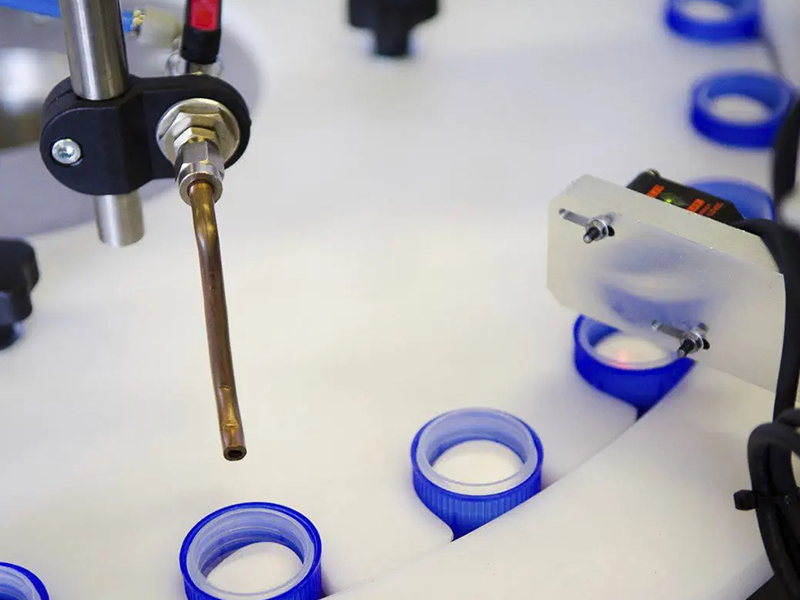
For modern manufacturing companies, the introduction of advanced fully automatic assembly equipment can not only improve production efficiency and product quality, but also reduce labor and comprehensive operating costs. It is an important equipment for companies to achieve intelligent manufacturing upgrades. In order to improve production efficiency and reduce overall costs, more and more manufacturing companies have begun to introduce fully automatic assembly equipment to realize automated upgrading of the product production process through technologies such as automatic feeding, automatic positioning, automatic assembly, and online testing. As a professional automation equipment R&D and manufacturing enterprise, Guanshentai focuses on the research and development of fully automatic assembly equipment and non-standard automated production lines, providing customers with efficient, stable and intelligent automated assembly solutions.