Release Date:2026-08-31 16:19:55 Popularity:
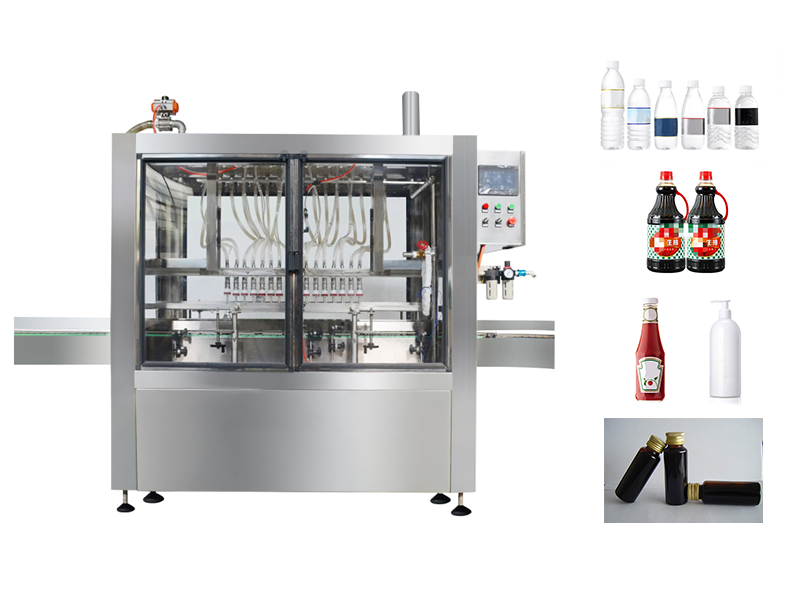
An automatic weighing and quantitative packaging machine is a device that utilizes electronic weighing systems and automatic control technology to precisely measure products and complete the packaging process automatically. The equipment typically consists of an automatic feeding system, a weighing and metering system, a control system, a filling mechanism, a sealing mechanism, and a finished product conveyor system. During operation, material enters the weighing hopper via the automatic feeding mechanism; the machine performs precise measurement based on preset weights. Once the target weight is reached, the material is automatically discharged, proceeding to subsequent stages such as bagging and sealing. This entire process minimizes manual weighing and packaging tasks, boosts production efficiency, and ensures consistent packaging weights. Depending on product characteristics, these machines can handle granular, block-shaped, flake, and certain powdered products, making them widely applicable across industries such as food, seeds, animal feed, chemical raw materials, hardware components, and other goods requiring quantitative packaging.
Core Advantages of Automatic Weighing and Quantitative Packaging Machines
Precise weighing, reduced material waste: Packaging weight directly impacts product costs and corporate profits. By employing electronic weighing and intelligent control systems to measure according to preset parameters, the machine effectively minimizes manual weighing errors. This ensures greater weight stability across packaging units and reduces material waste caused by overfilling.
Enhanced packaging production efficiency: Traditional manual weighing involves multiple steps—such as material retrieval, weighing, bagging, and sealing—with production speed limited by workforce size and operator proficiency. Automatic weighing and quantitative packaging machines perform weighing, discharging, and packaging continuously, significantly reducing the need for manual intervention and increasing output per unit of time.
Reduced labor costs: As labor costs rise, automated packaging has become a key strategy for cutting costs and improving efficiency. The equipment replaces repetitive tasks like weighing, bagging, and sealing, thereby reducing the need for manual labor and lowering additional costs associated with personnel training, management, and human error.
Consistent packaging weight: The automatic weighing system measures based on standardized parameters, ensuring stable weight control for every package. For food, seeds, and industrial products, consistent packaging weight enhances product standardization and strengthens the company's brand image.
Supports multi-specification packaging: Modern enterprises often need to manufacture products in various specifications. By adjusting weighing parameters, packaging bag specifications, and equipment programming, automatic quantitative weighing and packaging machines can automatically package products of different weights, thereby meeting the demands of multi-specification production.

Guanshentai Automatic Weighing and Quantitative Packaging Machine Solutions
Products vary in density, particle size, and flowability; therefore, the feeding methods and metering mechanisms of weighing and packaging machines require tailored designs. Professional automation equipment manufacturers can devise solutions based on specific material characteristics, target packaging weights, and production rates, helping enterprises select the most suitable equipment configurations.
Furthermore, ease of operation and maintenance is crucial. A stable control system, an intuitive human-machine interface (HMI), and comprehensive after-sales service can effectively reduce maintenance costs throughout the equipment's lifecycle.
As a professional manufacturer of automatic weighing and quantitative packaging machines, Guanshentai has long focused on the R&D and production of automatic packaging equipment, custom automation machinery, and intelligent packaging lines, backed by extensive project experience and a professional technical team.
Guanshentai designs customized weighing and packaging solutions tailored to a client's specific product characteristics, packaging weights, bag types, and production rates. Equipment can be configured with functions such as automatic feeding, precision weighing, quantitative discharge, automatic bagging, sealing, coding, inspection, and finished product conveying, enabling fully automated production from raw material input to finished product output.
In the food industry, these machines are suitable for the quantitative packaging of nuts, melon seeds, beans, dried goods, animal feed, and other granular products. In agriculture, they are used for packaging seeds and fertilizers. In the chemical industry, they handle granular raw materials and industrial materials. For hardware and small components, high-efficiency packaging is achieved through automatic counting or weighing methods.
Additionally, Guanshentai can integrate automatic weighing and quantitative packaging machines with automatic labeling machines, metal detectors, automatic case sealers, robotic palletizing systems, and MES production management systems to create complete, intelligent packaging production lines.

With the continuous advancement of smart manufacturing and digital technologies, automatic weighing and quantitative packaging machines are evolving toward higher speeds, greater intelligence, increased flexibility, and digitalization. Meanwhile, rapid format changeover, compatibility with multiple specifications, and modular design are becoming key development trends, allowing enterprises to adapt more flexibly to market demands. For modern manufacturing enterprises, adopting advanced automatic quantitative weighing and packaging machines not only enhances packaging efficiency and weighing accuracy but also reduces material waste and labor costs, thereby elevating the overall level of production management.