Release Date:2026-10-15 15:26:59 Popularity:
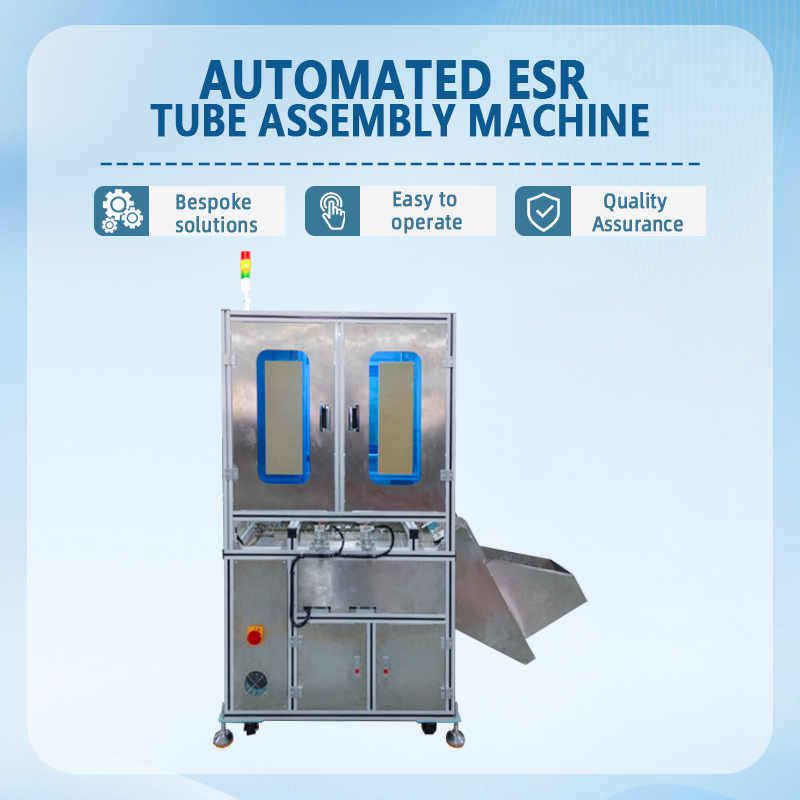
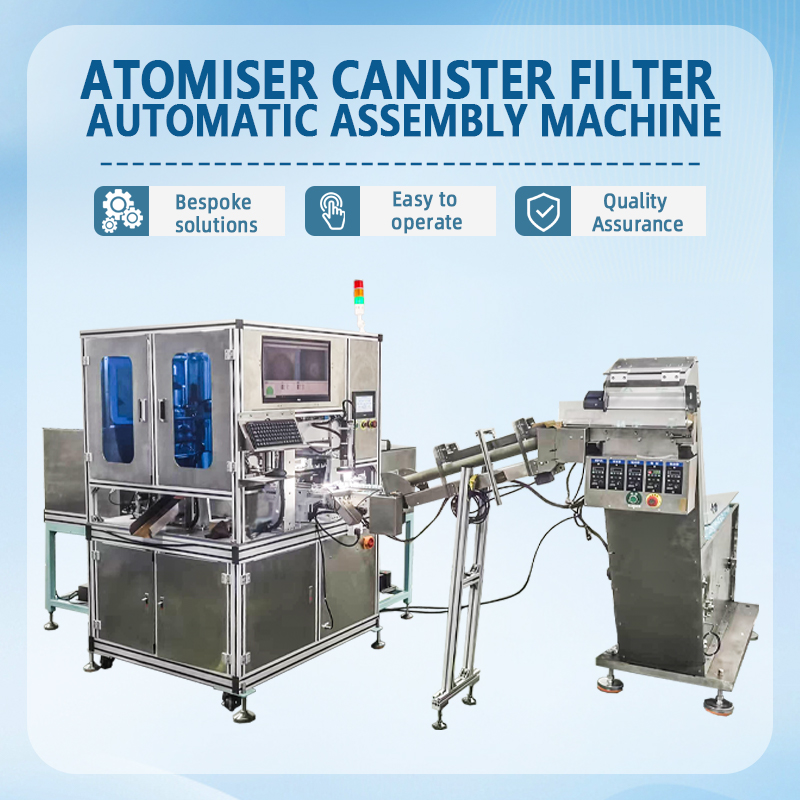
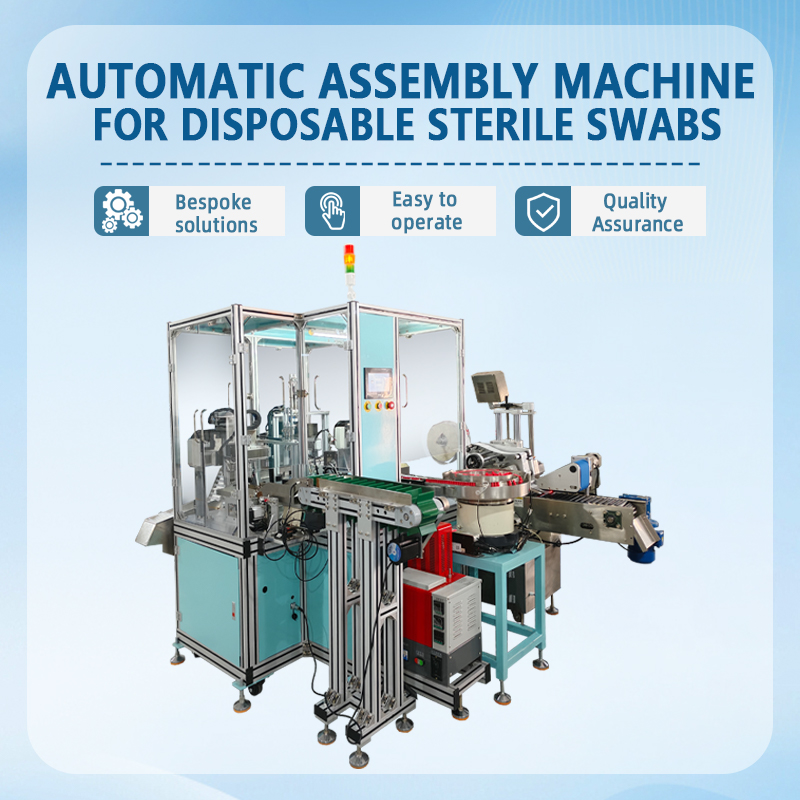
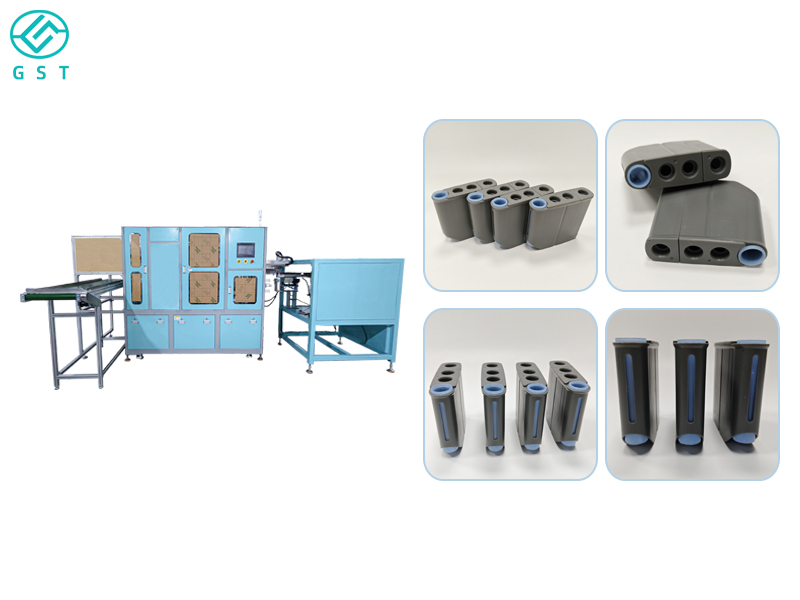
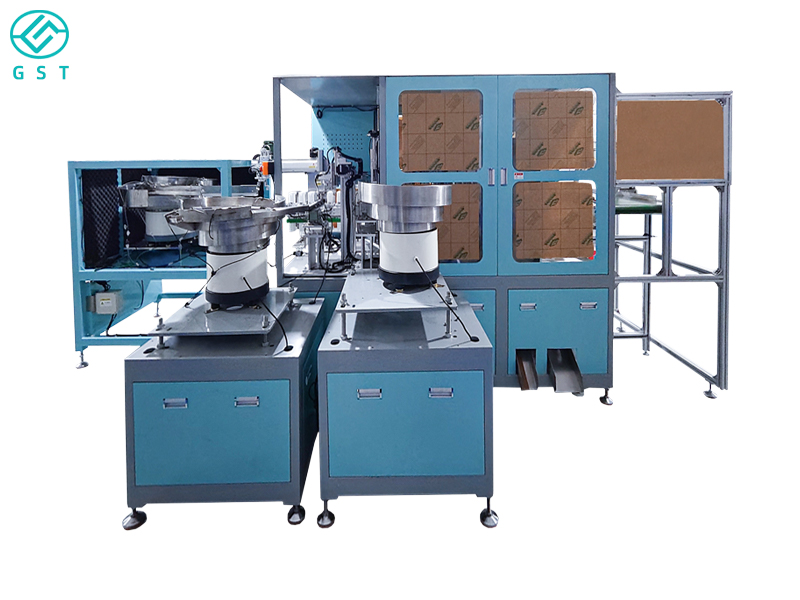
An automated reagent kit assembly and leak testing machine is an automated device that combines product assembly and sealing performance testing. It can automatically feed, precisely position, assemble components, perform leak testing, and output the finished product, depending on the product structure and manufacturing process of the reagent kit. Different types of reagent kits vary in their shell structure, internal components, sealing methods, and assembly requirements; therefore, the equipment usually needs to be customized for each specific product. Through the coordinated operation of mechanical mechanisms, sensors, and an automatic control system, the equipment can complete relevant assembly processes according to a preset procedure and test the product's sealing performance, helping companies establish more standardized production processes.
What are the advantages of an automated reagent kit leak detection machine?
Automated assembly improves production efficiency: Traditional reagent kit production often requires manual labor for repetitive tasks such as material handling, assembly, and inspection. Production efficiency is easily affected by the number of personnel and their skill level. Using an automated reagent kit assembly leak tester can integrate multiple processes, reduce manual intervention, increase production cycle time, and meet the needs of mass production.
Precise positioning improves assembly consistency: The assembly quality of the reagent kit is closely related to the positioning accuracy, fit, and assembly stability of the components. Automated assembly equipment completes the assembly through positioning mechanisms and standardized control programs, which helps reduce deviations caused by human operation and improves the consistency of product assembly.
Automated leak detection enhances quality control: For reagent kits requiring sealing, sealing performance is a key quality indicator to monitor during production. Automated leak detection systems for reagent kit assembly can be configured with appropriate leak detection methods, such as differential pressure or pressure decay detection schemes, based on product materials, structure, and testing standards. By analyzing the test results, products with leakage risks can be identified and sorted according to a pre-defined process, reducing the workload of manual testing.
Reduce labor input and optimize production processes: The combination of automated assembly and leak detection processes can reduce manual handling and repetitive operations between different workstations. The equipment can also be equipped with functions such as automatic feeding, online detection, defective product rejection, and finished product conveying, helping companies optimize personnel allocation and improve overall production management efficiency, depending on production needs.
Supports non-standard customization to adapt to diverse products: Different reagent kits may vary significantly in size, materials, internal structure, and manufacturing processes. Professional non-standard automated equipment manufacturers can conduct specialized mechanical design and functional configuration based on customer product samples, process requirements, and target production capacity, improving the matching degree between equipment and actual production needs.
How to choose an automated leak detection kit?
Guanshengtai specializes in the design and customization of automated equipment and non-standard automated production lines. It can provide automatic reagent kit assembly leak detection machines and related automation solutions according to customers' reagent kit product structure, assembly process and production needs.
Tailored solutions for different product manufacturing characteristics can be developed around processes such as automated feeding, precise positioning, component assembly, sealing performance testing, defective product rejection, and finished product output. This helps companies reduce manual operations and improve production efficiency and product consistency. Specific equipment functions and testing solutions can be designed and verified according to actual product requirements.
When selecting an automated reagent kit assembly and leak detection machine, companies should focus on product structure, assembly process, sealing requirements, detection accuracy, production cycle time, and equipment operational stability. They should also consider product changeover capabilities, ease of maintenance, safety features, and after-sales technical support.
Before project implementation, it is recommended to provide reagent kit samples, product drawings, assembly procedures, and testing standards so that the equipment manufacturer can evaluate the appropriate assembly methods and leak testing methods. For large-scale production enterprises, processes such as automated feeding, assembly, leak testing, visual inspection, and finished product output can be integrated to create a more seamless automated production line.
With the continuous development of the in vitro diagnostics, biopharmaceutical, and medical testing industries, reagent kits are increasingly widely used in medical testing, rapid testing, and laboratory testing. To improve production efficiency and product quality, automated reagent kit assembly and leak detection machines have become crucial equipment for medical testing consumables manufacturers to upgrade their automation systems.
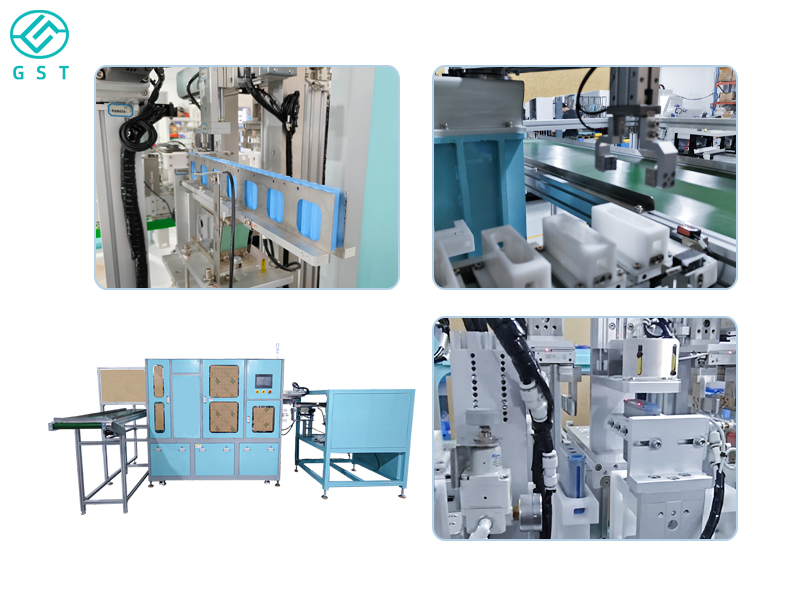
As the medical testing consumables manufacturing industry moves towards automation, standardization, and intelligentization, automated reagent kit assembly and leak testing machines will become crucial equipment for companies to optimize production processes, improve assembly efficiency, and enhance sealing quality control. Guanshengtai can provide customized non-standard automated equipment services based on customers' actual production needs, helping companies upgrade their reagent kit assembly and leak testing processes to automation, thereby improving production efficiency, equipment utilization, and market competitiveness.