Release Date:2026-09-03 15:32:47 Popularity:
Automatic packaging machines are automated systems capable of performing a series of processes—such as product conveying, metering, bagging, sealing, labeling, cartoning, case sealing, and finished product discharge—without manual intervention. Depending on product type, packaging format, and production process, these machines can be categorized into various types, including liquid, granule, and powder packaging machines, as well as vacuum, pre-made pouch, blister, cartoning, and case-sealing machines. By utilizing technologies such as PLC control systems, servo drives, sensors, and visual inspection, these machines enable precise process control and minimize manual intervention, resulting in packaging that is consistent, efficient, and standardized. For enterprises requiring long-term, continuous production, selecting the right manufacturer is crucial; it impacts not only equipment procurement costs but also directly influences production efficiency and long-term operational performance.
Core Advantages of Automatic Packaging Machines
Increased Packaging Efficiency: Traditional manual packaging involves multiple steps—such as material picking, bagging, sealing, and organizing—with production speeds limited by workforce size and operator proficiency. Automatic packaging machines seamlessly integrate these processes, operating continuously at set intervals to minimize downtime between steps and boost hourly output. For high-volume sectors like e-commerce logistics, food processing, and medical supplies, automated packaging helps shorten production cycles and enhances order fulfillment capabilities.
Improved Packaging Quality: Manual packaging is prone to issues such as inconsistent weights, insecure seals, and untidy bag edges. Automated equipment ensures consistent packaging quality by precisely controlling parameters. Furthermore, these machines can be equipped with visual, weight, and seal-integrity inspection systems to automatically identify and reject defective products, thereby further elevating the quality of the finished goods.
Reduced Labor Costs: As labor costs rise, eliminating repetitive tasks has become a key objective of automation upgrades. Automatic packaging machines replace manual labor in repetitive operations—such as material picking, bagging, and sealing—thereby reducing staffing requirements and cutting costs associated with training, management, and rework.
Support for Multi-Specification Packaging: Products vary across enterprises in terms of size, weight, material, and packaging format. Specialized manufacturers of automatic packaging machines can customize equipment to meet specific customer requirements, enabling flexible production across various product specifications through the changing of tooling, parameter adjustments, and the configuration of different packaging modules.
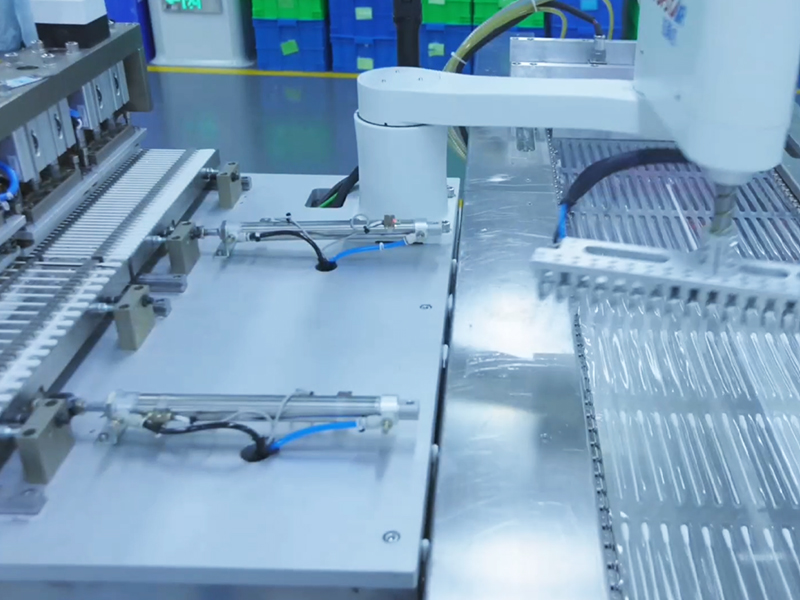
Facilitates automation upgrades for the entire line: Automatic packaging machines are not limited to standalone operation; they can be integrated with automatic feeders, weighing equipment, labeling machines, inspection systems, cartoning machines, case sealers, and robotic palletizing systems to create a complete automated packaging production line.

Guanshentai Automatic Packaging Machine Manufacturer Solutions
As a professional manufacturer of automatic packaging machines, Guanshentai has long focused on the R&D and manufacturing of automatic packaging equipment, custom automation equipment, and intelligent packaging production lines. We provide customers with one-stop solutions covering everything from initial process analysis and scheme planning to equipment design, manufacturing, installation, commissioning, and after-sales service.
Guanshentai can configure functions such as automatic feeding, metering, filling, bagging, sealing, labeling, cartoning, case sealing, and palletizing based on specific product characteristics, thereby automating the entire packaging process.
To meet unique customer requirements, Guanshentai also offers custom (non-standard) solutions, integrating automatic packaging machines with vision inspection, robotic handling, automatic conveying, and MES production management systems to create complete, intelligent packaging production ecosystems.
When selecting an automatic packaging machine manufacturer, enterprises should look beyond equipment price and prioritize the manufacturer's technical R&D capabilities, manufacturing prowess, project experience, and quality of after-sales service.
First, consider whether the manufacturer possesses independent R&D and design capabilities. A top-tier manufacturer can devise appropriate automation solutions tailored to specific product characteristics and packaging processes, rather than simply selling off-the-shelf standard equipment.
Second, evaluate the manufacturer's project experience. Different industries have distinct requirements regarding material properties, packaging speeds, bag types, and production environments; a professional manufacturer can select the optimal equipment configuration based on actual operating conditions.
Furthermore, after-sales service is crucial. Once installed, automatic packaging equipment requires commissioning, operator training, routine maintenance, and technical support; a comprehensive service system ensures the equipment operates stably over the long term.
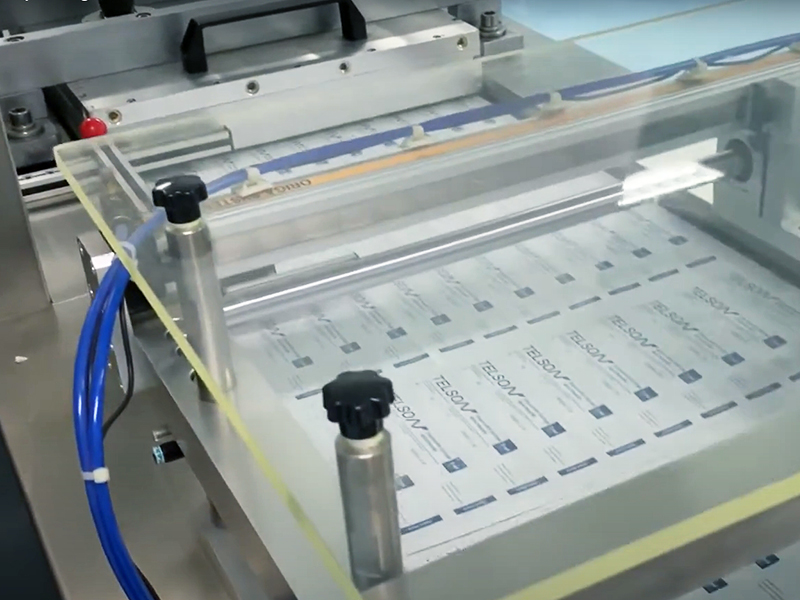
With the continuous advancement of intelligent manufacturing, machine vision, industrial robotics, and the Industrial Internet, automatic packaging machines are evolving toward higher speeds, greater intelligence, increased flexibility, and digitalization. Meanwhile, modular design, rapid changeover capabilities, and energy efficiency/environmental friendliness are becoming key development trends. For modern manufacturing enterprises, partnering with a professional automatic packaging machine manufacturer not only boosts packaging efficiency and product quality but also reduces labor and overall operating costs, thereby enhancing market competitiveness.