Release Date:2026-09-08 16:40:56 Popularity:
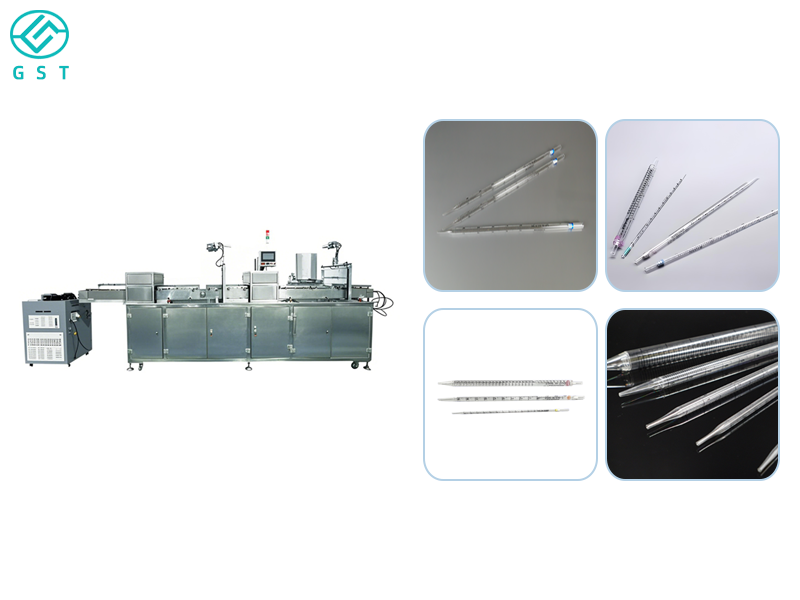
A fully automatic screen printing machine is an intelligent device that utilizes an automated control system to handle product feeding, positioning, screen printing, and finished product unloading. These machines can be custom-designed based on product dimensions, shapes, materials, and specific printing requirements. By integrating technologies such as PLC control, servo motion systems, precision positioning, and automatic inspection, they achieve stable, high-efficiency continuous printing. Compared to traditional manual screen printing, fully automatic machines eliminate the need for manual product handling and positioning, thereby effectively increasing printing efficiency while reducing errors caused by human operation. Depending on the product structure, the equipment is suitable for printing on flat, cylindrical, and curved surfaces, as well as certain irregularly shaped products. Currently, fully automatic screen printing machines are widely used in industries such as medical consumables, electronics, plastic products, hardware accessories, packaging, and consumer goods, enabling the automated printing of logos, text, scales, model numbers, and other markings.
What are the advantages of fully automatic screen printing machines?
High degree of automation: Fully automatic screen printing machines integrate multiple processes—such as automatic feeding, product positioning, printing, curing, inspection, and unloading—into a unified system, enabling continuous automated production. Enterprises can configure operating parameters to meet production needs, reducing the reliance on manual labor and boosting overall production efficiency.
Stable printing precision: The consistency of print placement and pattern quality directly impacts the product's visual appeal. By employing precision positioning mechanisms, servo control systems, and specialized tooling, these machines ensure accurate control over product placement. This minimizes positional deviations associated with manual loading and ensures uniform printing results across every product.
Increased production efficiency: In high-volume manufacturing, the efficiency of manual screen printing is often constrained by workforce size and operator skill levels. Fully automatic screen printing machines operate continuously at a set pace, increasing output per unit of time and shortening production cycles, which helps enterprises improve their order fulfillment capabilities.
Reduced labor costs: Traditional screen printing processes require manual labor for tasks such as material handling, positioning, printing, and unloading. Automated equipment reduces the need for repetitive manual roles, thereby lowering labor and training costs while minimizing rework and material waste caused by human error.
Supports in-line inspection: Depending on product and production requirements, fully automatic screen printing machines can integrate machine vision inspection systems to automatically verify print positioning, pattern integrity, colors, and characters. Upon detecting defective products, the system can perform automatic sorting, thereby enhancing quality control capabilities during production.
Supports products of various specifications: Modern manufacturing enterprises often need to produce products in a range of specifications and models. By swapping fixtures, adjusting programs, and optimizing printing modules, fully automatic screen printing machines can adapt to the production of different products, providing enterprises with greater flexibility in automated manufacturing.
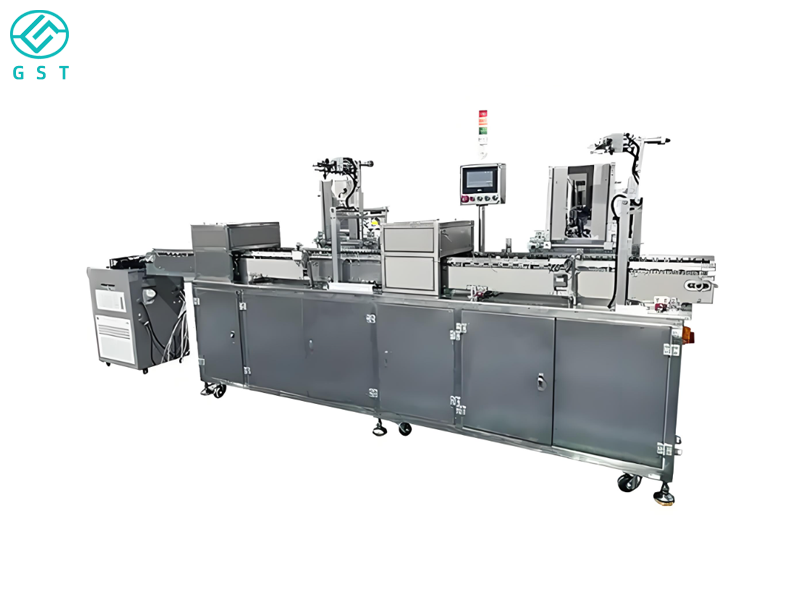
Guanshentai Fully Automatic Screen Printing Machine Solutions
As a professional manufacturer of fully automatic screen printing machines, Guanshentai has long focused on the R&D and manufacturing of automated printing equipment, non-standard automation equipment, automatic assembly equipment, and intelligent production lines. The company possesses comprehensive technical capabilities spanning mechanical design, electrical control, automation programming, and visual inspection.
Guanshentai provides customized solutions tailored to factors such as product structure, print content, material, production cycle time, and workshop layout. The equipment can integrate functions—including automatic loading, feeding, visual positioning, screen printing, drying or curing, print inspection, and automatic unloading—to achieve fully automated screen printing operations.
For clients requiring higher levels of automation, Guanshentai can integrate the fully automatic screen printing machine with automatic loaders, machine vision inspection systems, automatic assembly machines, automatic packaging machines, and robotic handling systems to create a complete, intelligent automated production line.
When purchasing fully automatic screen printing machines, enterprises should look beyond the price tag and comprehensively evaluate the manufacturer's R&D strength, mechanical design capabilities, automation integration expertise, project experience, and after-sales service quality.
First, the appropriate equipment configuration must be selected based on product shape and printing requirements. For instance, the methods for feeding, positioning, and printing differ for flat, cylindrical, and curved products; therefore, the manufacturer must design a solution specific to the product in question.
Second, it is important to consider the manufacturer's capability for non-standard customization. Since product dimensions, production cycle times, and workshop layouts vary across enterprises, a professional manufacturer should be able to configure modules for automatic loading, positioning, printing, inspection, and unloading to meet specific on-site needs.
Furthermore, long-term operational stability is crucial. For enterprises engaged in continuous production, equipment downtime directly impacts production schedules; thus, the equipment's structural design, electrical control systems, and the manufacturer's after-sales support capabilities require careful evaluation.
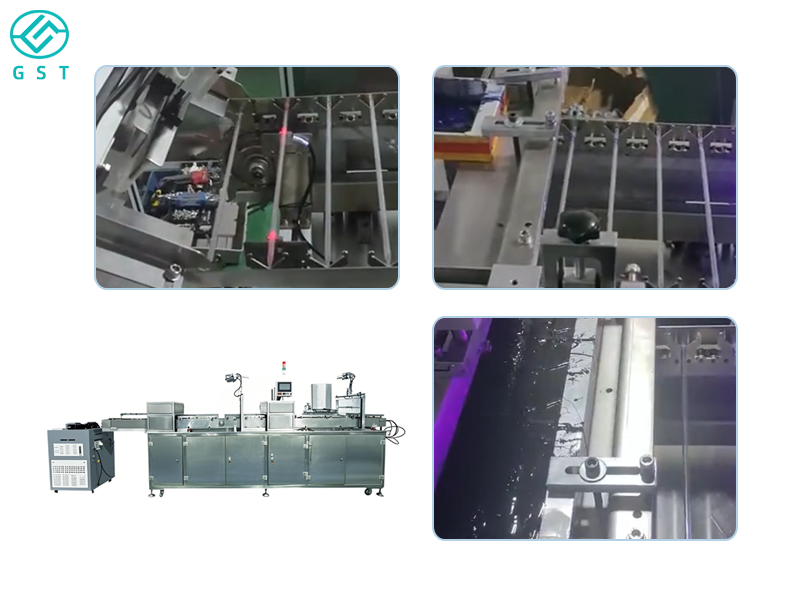
With the continuous advancement of artificial intelligence, machine vision, industrial robotics, and intelligent control technologies, fully automatic screen printing machines are evolving toward higher speeds, greater intelligence, increased flexibility, and digitalization. At the same time, through production data acquisition and equipment connectivity, capabilities such as production volume tracking, equipment status monitoring, and quality data traceability can be further realized. Rapid changeover and modular design will also emerge as key development trends for fully automatic screen printing machines, enabling enterprises to respond with greater flexibility to the demands of diverse products and orders. For modern manufacturing enterprises, selecting the right fully automatic screen printing machine not only boosts printing efficiency and product quality but also reduces labor input and overall operating costs, making it a crucial piece of equipment for upgrading to automated production.