Release Date:2026-09-08 16:48:21 Popularity:
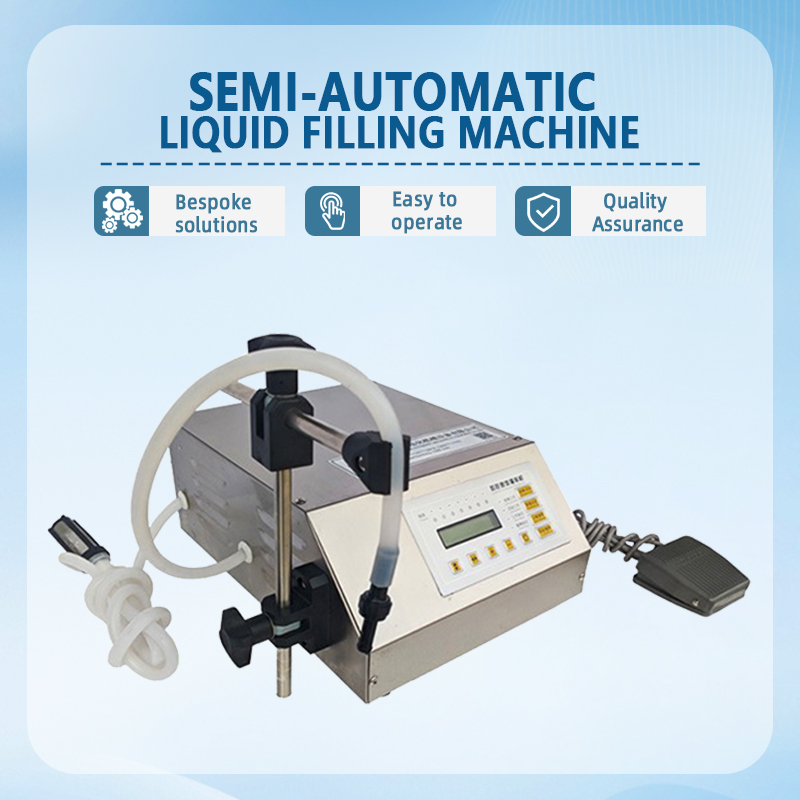
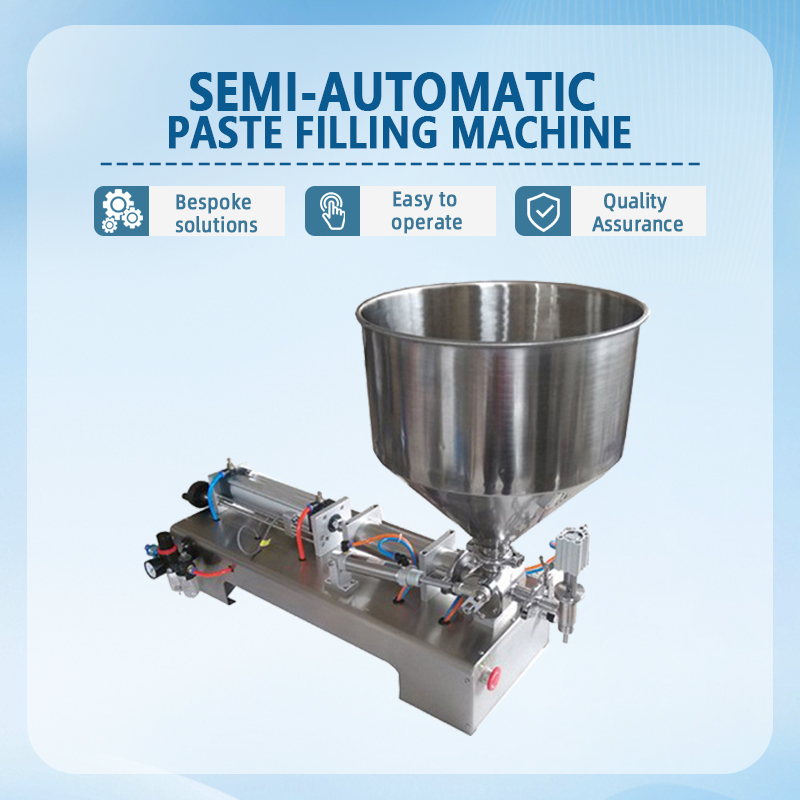
An automatic capping and filling machine is an automated system that integrates quantitative liquid filling with automatic cap tightening. It executes a sequence of operations—including bottle unscrambling, conveying, positioning, filling, cap placement, capping, and finished product discharge—based on pre-set programs. Typically composed of an automatic conveyor system, filling mechanism, cap placement unit, capping mechanism, PLC control system, and inspection modules, the equipment coordinates these functional units to automate the entire filling and capping process. Filling mechanisms—such as piston, peristaltic pump, gear pump, or plunger types—can be configured based on the product's viscosity, flow characteristics, and packaging container, while capping methods are adapted to specific cap designs, thereby meeting the production needs of diverse industries.
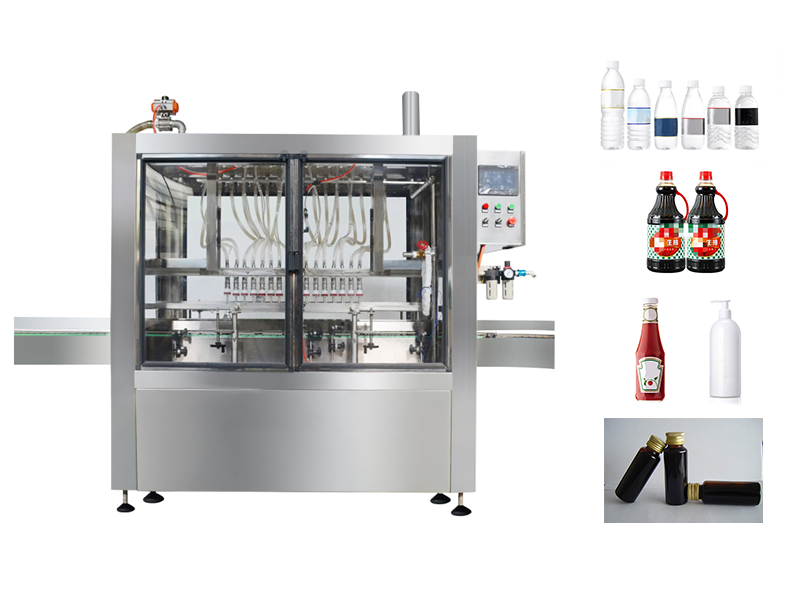
Key Advantages of Automatic Capping and Filling Machines
Stable Filling Accuracy: Filling volume is a critical metric in liquid product manufacturing. These machines utilize precision metering systems that allow parameters to be adjusted according to product characteristics; this ensures consistent fill volumes across containers, minimizes errors associated with manual operation, and reduces material waste.
High Capping Efficiency: Manual capping is not only slow but also prone to inconsistencies in tightening torque. Automated capping mechanisms perform cap placement and tightening continuously based on set parameters, boosting efficiency and ensuring uniform sealing quality.
Integrated Filling and Capping: In traditional production, filling and capping are often performed by separate machines or manual labor, resulting in inefficient process transitions. By integrating these two steps, the machine reduces the need for product transfer and manual handling, enabling a more continuous automated production flow.
Reduced Labor Costs: The equipment automates repetitive tasks such as bottle unscrambling, filling, cap placement, and tightening. This reduces the need for manual labor on the production line and lowers the overall costs associated with training, management, and human error.
Enhanced Production Consistency: Automated equipment executes production tasks according to standardized programs, minimizing variations caused by human operation. By uniformly controlling filling volumes, capping speeds, and other parameters, the machine improves batch-to-batch consistency and packaging standardization.
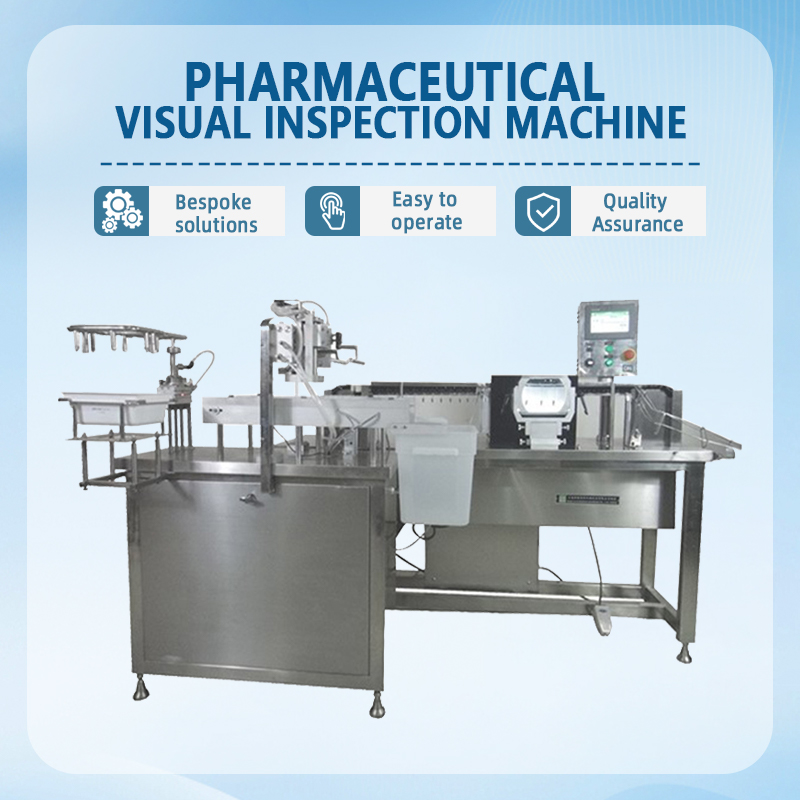
Supports in-line inspection: Depending on specific requirements, the automatic capping and filling machine can be equipped with functions such as liquid level detection, cap presence detection, filling status monitoring, and visual inspection. Upon detecting defective products, the system can promptly reject them via an automatic sorting mechanism, thereby enhancing quality control capabilities throughout the production process.

Guanshentai Automatic Capping and Filling Machine Solutions
As a professional manufacturer of automatic capping and filling machines, Guanshentai has long focused on the R&D and manufacturing of automatic filling machines, automatic capping machines, automatic packaging equipment, and custom automation production lines, backed by extensive project experience and a professional technical team.
Guanshentai provides customized automatic capping and filling solutions tailored to specific client needs, including product characteristics, filling volumes, bottle shapes, cap specifications, production rates, and factory floor layouts. The equipment can integrate various functions—such as automatic bottle unscrambling, automatic feeding, precise quantitative filling, automatic cap placement, automatic capping, liquid level detection, visual inspection, and finished product conveying—based on actual production requirements.
Furthermore, Guanshentai can integrate the capping and filling machine with automatic labeling machines, inkjet coders, visual inspection systems, automatic cartoning machines, automatic case sealers, and robotic palletizing systems to create a complete, intelligent filling and packaging production line.
When purchasing automatic capping and filling machines, enterprises should look beyond the price tag and comprehensively evaluate the manufacturer's technical R&D capabilities, filling accuracy, capping stability, operational efficiency, and after-sales service.
Selecting the appropriate filling method depends on factors such as product viscosity, flow characteristics, and packaging specifications. Different liquid products require different filling mechanisms, necessitating solution design and equipment commissioning tailored to the specific material by the manufacturer. Attention must also be paid to the types of packaging containers and caps used; varying bottle shapes, cap styles, and dimensions impose different requirements on automatic feeding and capping mechanisms, and a professional manufacturer should be able to customize the equipment to match the client's specific products.
Additionally, long-term operational stability is crucial. For large-scale production enterprises, equipment breakdowns directly impact production capacity and delivery schedules; therefore, the mechanical structure, electrical control system, and after-sales service framework are key areas for evaluation.

With the continuous advancement of intelligent manufacturing and automation technologies, automatic capping and filling machines are evolving toward higher speeds, greater intelligence, increased flexibility, and digitalization. Rapid changeover capabilities, compatibility with multiple specifications, and modular design will also be key development trends for automatic capping and filling machines, enabling enterprises to adapt more flexibly to diverse products and market demands. For modern manufacturing enterprises, adopting advanced automatic capping and filling machines not only boosts efficiency in filling and capping operations but also reduces labor costs and enhances packaging consistency, thereby providing robust support for the upgrade to automated production.