Release Date:2026-09-09 15:47:57 Popularity:
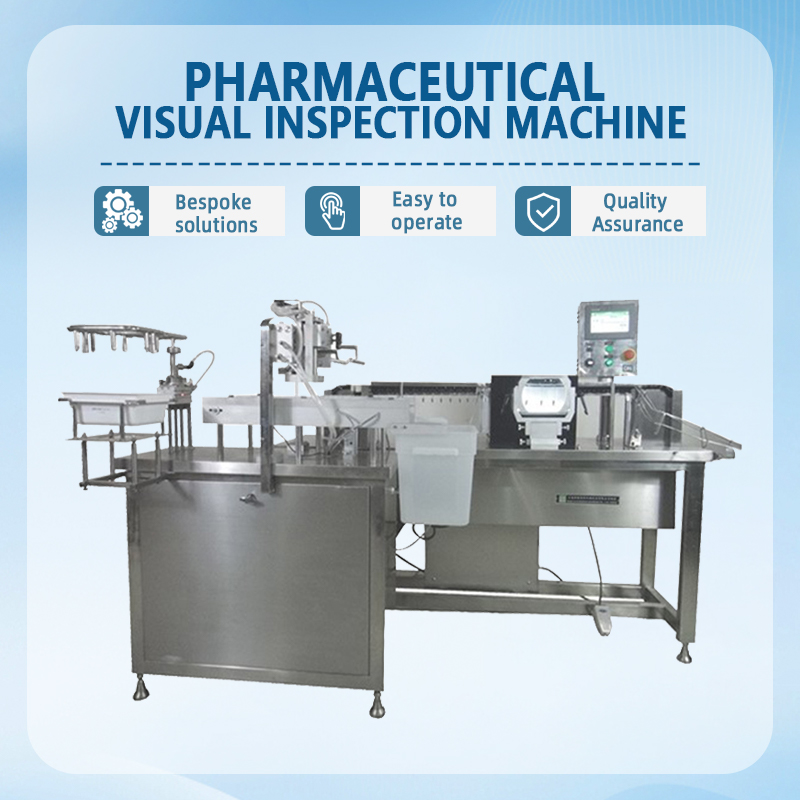
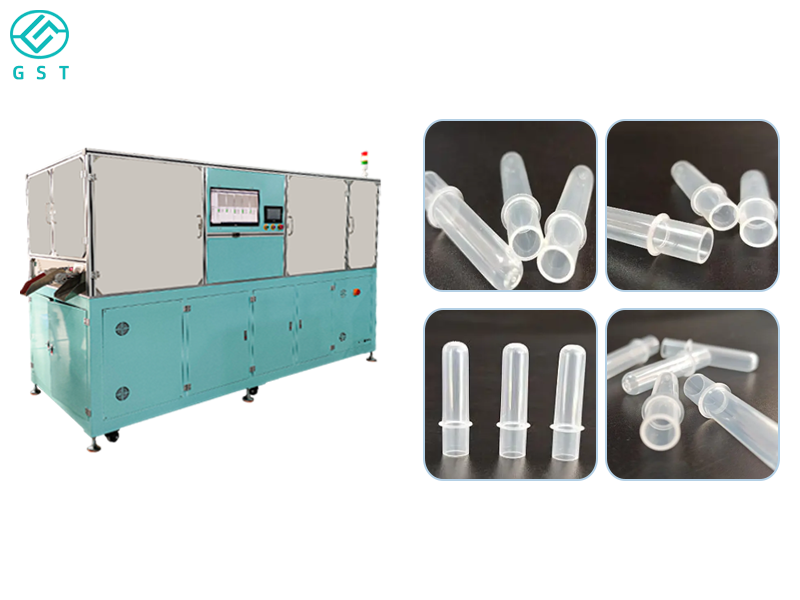
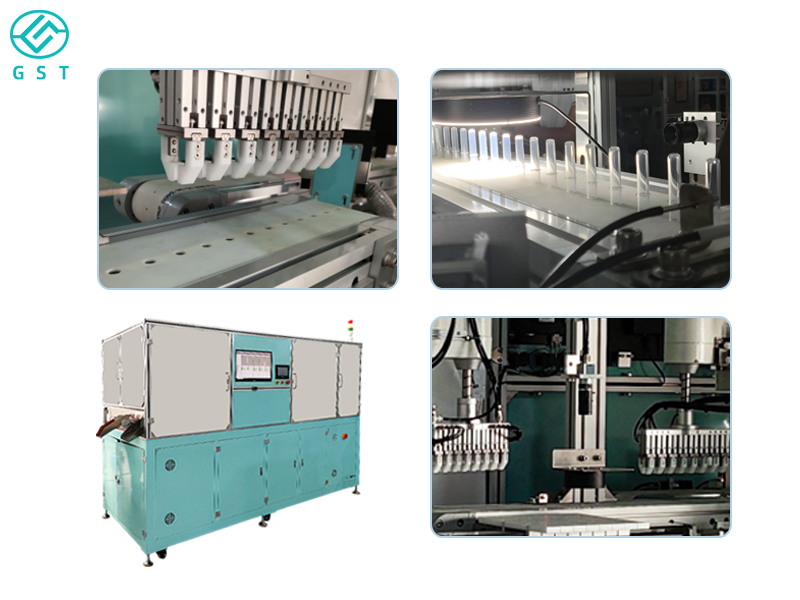
Automated visual inspection equipment is an intelligent, automated system that utilizes machine vision technology to replace manual labor for product identification, inspection, and assessment. Such equipment typically comprises industrial cameras, lenses, light sources, image acquisition systems, vision processing software, PLC control systems, and automatic sorting mechanisms. During production, products enter the inspection zone via a conveyor system; industrial cameras capture high-speed images, and the vision system automatically analyzes product appearance, dimensions, positioning, color, defects, and assembly status based on preset standards. Upon identifying non-conforming products, the system can automatically reject them using robotic arms, pneumatic cylinders, or other actuators. These systems can integrate with equipment for automatic feeding, assembly, and packaging to form a complete intelligent inspection production line, finding wide application in sectors such as medical consumables, electronic components, hardware fittings, plastic products, automotive parts, and packaging.
Core Advantages of Automated Visual Inspection Equipment
High Inspection Speed: Manual inspection efficiency is susceptible to fluctuations in staffing levels and worker conditions. In contrast, automated visual inspection equipment operates continuously at high speeds, inspecting products according to a set cycle time—making it particularly suitable for mass production. High-speed image acquisition and automated assessment reduce inspection time, boost overall production efficiency, and shorten product production cycles.
Consistent Inspection Accuracy: Manual inspection is prone to subjective judgment, leading to inconsistent results among different inspectors. Automated visual inspection equipment performs image analysis based on standardized criteria, minimizing human error and ensuring consistent results. Parameters for inspecting appearance, dimensions, positioning, and assembly status can be tailored to specific manufacturing processes, thereby enhancing quality control.
Reduced Labor Costs: Traditional production lines often require significant manpower for visual inspection and product sorting. Implementing automated visual inspection equipment eliminates repetitive manual inspection roles, lowers costs associated with staffing, training, and management, and mitigates the risk of missed defects caused by human fatigue.
In-line Inspection Capability: Automated visual inspection equipment can be installed directly on the production line, enabling immediate inspection following product assembly or processing, without the need to consolidate products for manual spot-checks at the end of the line. This online inspection method enables the timely detection of quality anomalies during production, allowing enterprises to rapidly adjust processes and minimize the risk of defective products proceeding to subsequent stages.
Automatic Identification and Sorting: Vision inspection equipment not only detects product defects but also integrates with automated sorting systems to automatically distinguish between acceptable and defective products based on inspection results. By combining inspection, decision-making, and sorting into a unified process, the system reduces manual handling and repetitive tasks, thereby enhancing the overall automation level of the production line.
Support for Diverse Inspection Tasks: Depending on product characteristics, automated vision inspection equipment can be utilized for tasks such as surface defect detection, dimensional measurement, character recognition, color identification, position and orientation checks, component presence verification, and assembly status assessment. By simply switching vision configurations and inspection programs, a single unit can be adapted to meet the requirements of different products, offering greater operational flexibility.
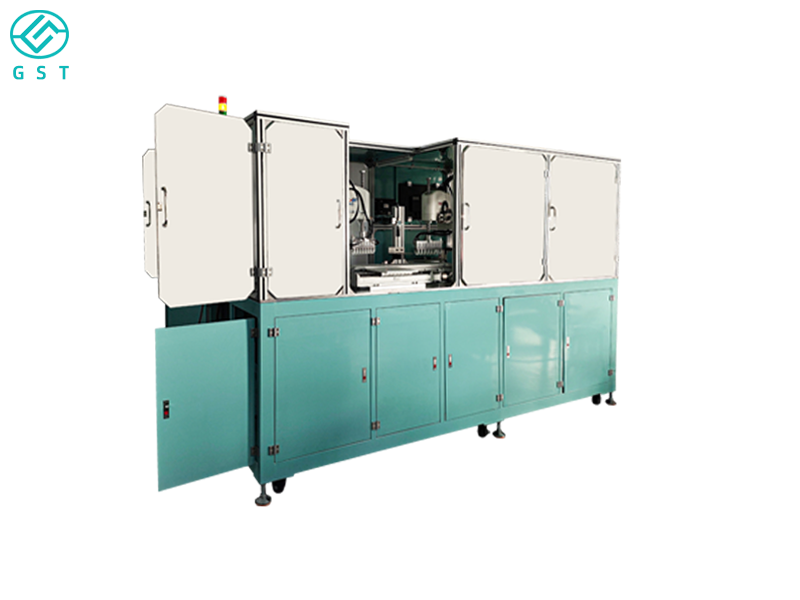
Guanshentai Automated Vision Inspection Equipment Solutions
As a professional manufacturer of automated vision inspection equipment, Guanshentai has long focused on the R&D and manufacturing of machine vision inspection systems, automated assembly units, custom automation equipment, and intelligent production lines. The company possesses extensive experience in automation projects and a team of technical experts.
Guanshentai provides comprehensive, one-stop solutions tailored to specific product characteristics, inspection requirements, production cycle times, and factory floor layouts. These solutions cover everything from vision system design, mechanical structure design, and electrical control development to equipment manufacturing, installation, commissioning, and after-sales service.
Depending on inspection needs, the equipment can integrate functions such as automatic feeding, product positioning, industrial vision inspection, dimensional measurement, defect identification, automatic sorting, and finished product conveying, enabling automated in-line product inspection.
Furthermore, Guanshentai can integrate its automated vision inspection equipment with automatic assembly machines, packaging machines, robotic handling systems, and MES (Manufacturing Execution Systems) to create complete, intelligent inspection and production lines, facilitating inspection data collection and digital management of the production process.
When purchasing automated vision inspection equipment, enterprises should look beyond price and carefully evaluate the manufacturer's capabilities in vision technology, mechanical design, and software development, as well as their project experience and after-sales service network.
Selecting the right industrial cameras, lenses, and lighting setups requires consideration of the product's material, dimensions, inspection criteria, and required speed. Since surface reflectivity, transparency, and color vary significantly between products, vision systems must be custom-designed for specific applications. Compatibility with existing production lines is also crucial; a professional manufacturer should be able to integrate the vision inspection equipment with units such as automatic feeders, assembly machines, and packaging equipment to ensure stable, synchronized operation across all processes.
Long-term operational stability is equally important. A well-designed mechanical structure, a reliable electrical control system, and robust software programming help enterprises reduce equipment maintenance costs.
Driven by advancements in artificial intelligence, machine vision, and the Industrial Internet, automated vision inspection equipment is evolving toward higher speeds, greater intelligence, increased flexibility, and full digitalization. At the same time, these systems are becoming deeply integrated with production data management platforms, enabling automatic recording of inspection results, statistical analysis of quality data, and traceability of the production process. For manufacturing enterprises, the introduction of advanced automated visual inspection equipment not only enhances inspection efficiency and quality consistency but also reduces manual inspection costs, providing strong support for the establishment of smart factories and digital production systems.