Release Date:2026-09-09 16:07:49 Popularity:
An automatic blister packaging machine is an automated system that utilizes heat to soften plastic sheet material, forms packaging cavities via thermoforming, and completes the product sealing process. Based on programmed settings, the equipment executes a series of operations including sheet feeding, heating, forming, product loading, positioning, heat sealing, trimming, and finished product discharge. Integrated with PLC control systems, servo drives, temperature control systems, vacuum systems, and automatic inspection modules, the machine ensures the coordinated operation of multiple processes, thereby enhancing packaging efficiency and consistency. Depending on specific product structures and packaging requirements, the machine can be configured with various molds, feeding mechanisms, and sealing structures, making it suitable for medical consumables, electronic components, hardware tools, plastic parts, daily necessities, and other products appropriate for blister packaging.
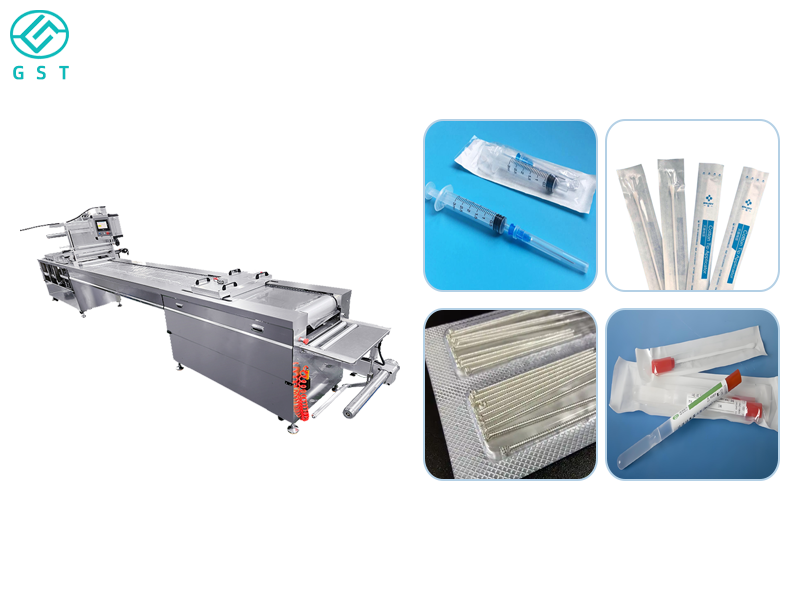
Key Advantages of Automatic Blister Packaging Machines
Increased Packaging Efficiency: Traditional manual blister packaging relies on operators to handle tasks such as product placement, positioning, sealing, and trimming; production speed is thus easily affected by staffing levels and operator proficiency. Automatic blister packaging machines seamlessly link multiple processes and operate continuously at a set pace, significantly reducing manual labor time and increasing output per unit of time. For enterprises with high order volumes, automated blister packaging shortens production cycles and improves product delivery efficiency.
Enhanced Packaging Consistency: Factors such as product placement, thermoforming quality, and heat-sealing parameters directly impact the final packaging quality. By utilizing automatic positioning, temperature control, and pressure control, automatic blister packaging machines ensure uniform management of critical process parameters, resulting in greater stability regarding packaging dimensions, appearance, and sealing quality.
Reduced Labor Costs: Manual blister packaging requires significant manpower, particularly for repetitive tasks like product placement, sealing, and sorting. Automatic blister packaging machines minimize human involvement, thereby lowering costs associated with staffing, training, and management, while also reducing quality fluctuations and rework caused by manual handling.
Superior Product Protection: Blister packaging allows for the design of cavities tailored to the product's shape, ensuring the product remains securely positioned within the package and minimizing the risk of impact or crushing during transportation. For compact electronic products and medical consumables with intricate structures, well-designed blister packaging enhances both product protection and visual presentation.
Supports customization for products of various specifications: Product dimensions, shapes, and packaging requirements vary significantly. Professional manufacturers of automated blister packaging machines can design molds, fixtures, feeding mechanisms, and heat-sealing structures tailored to specific product characteristics, enabling automated packaging for products of diverse specifications.
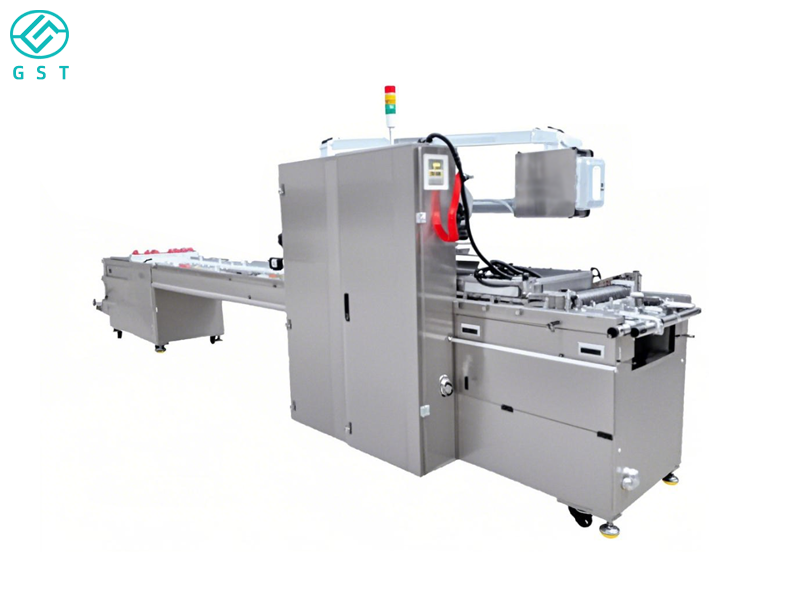
Guanshentai Automatic Blister Packaging Machine Solutions
As a professional manufacturer of automatic blister packaging machines, Guanshentai has long focused on the R&D and manufacturing of automatic packaging equipment, custom automation equipment, and intelligent packaging production lines, backed by extensive project experience and a professional technical team.
Guanshentai provides enterprises with customized automatic blister packaging solutions tailored to specific product structures, packaging materials, dimensions, production cycle times, and factory floor layouts. The equipment can integrate functions such as automatic sheet feeding, heating, blister forming, automatic product loading, precision positioning, heat sealing, trimming, visual inspection, and finished product discharge—enabling fully automated blister packaging operations.
For clients requiring higher levels of automation, Guanshentai can integrate the blister packaging machine with automatic loaders, visual inspection systems, automatic labelers, automatic case sealers, and robotic handling systems to create a complete, intelligent blister packaging production line.
When purchasing automatic blister packaging machines, enterprises should look beyond the price tag and comprehensively evaluate the manufacturer's R&D capabilities, equipment stability, forming quality, heat-sealing performance, and after-sales service standards.
Selecting the right equipment configuration depends on factors such as product dimensions, shape, packaging materials, and packaging format. Different sheet materials and products have unique requirements regarding heating temperatures, vacuum forming, and heat-sealing parameters; a professional manufacturer can devise an optimal solution through preliminary process analysis and testing. Furthermore, it is important to consider whether the equipment supports automatic loading and in-line inspection. For high-volume manufacturers, higher levels of automation reduce manual intervention and boost overall packaging efficiency.
Additionally, the manufacturer's capability for custom, non-standard design should be assessed. When there are specific requirements regarding product specifications, mold structures, or production cycle times, a manufacturer with in-house R&D capabilities can optimize the equipment to meet those specific needs.
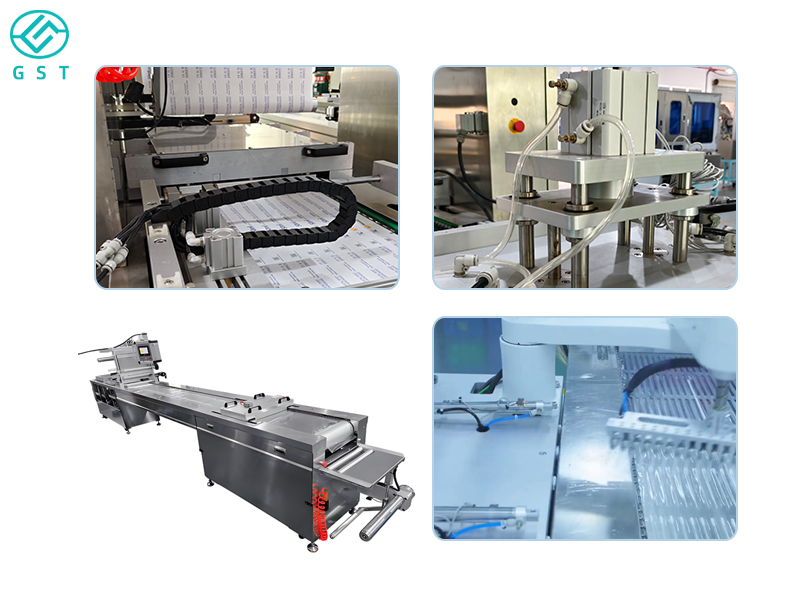
As intelligent manufacturing technology continues to evolve, automatic blister packaging machines are advancing toward higher speeds, greater intelligence, increased flexibility, and digitalization. At the same time, rapid mold and product changeovers, energy-efficient heating, and modular design are emerging as key development trends for automated blister packaging equipment, enabling enterprises to respond more flexibly to the production needs of diverse product specifications. For modern manufacturing enterprises, adopting advanced automated blister packaging machines not only boosts packaging efficiency and product consistency but also reduces labor requirements and overall operating costs, making it a crucial choice for enhancing packaging automation capabilities.