Release Date:2026-06-03 15:38:19 Popularity:
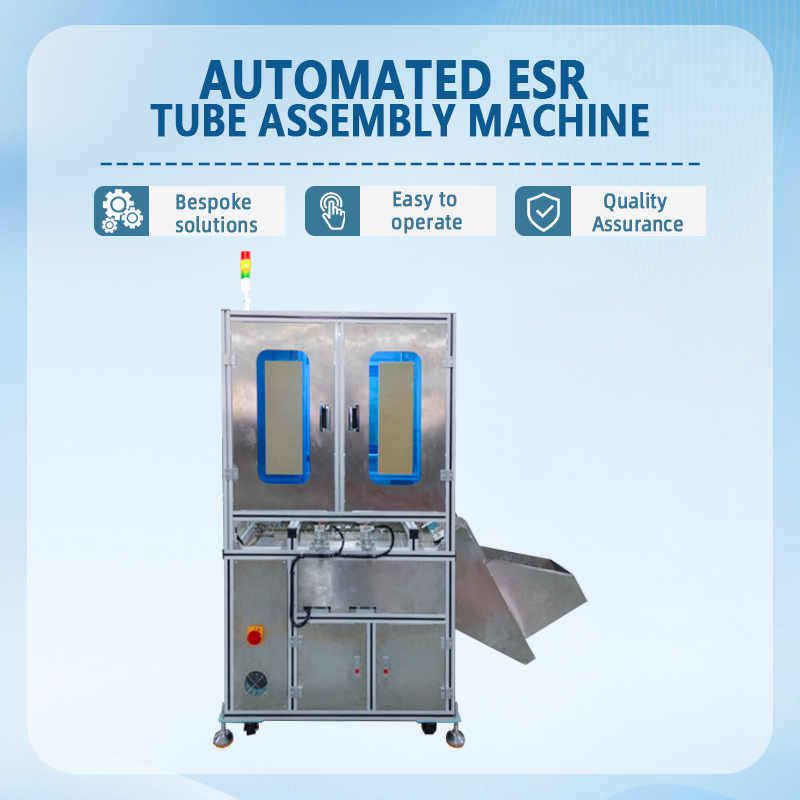
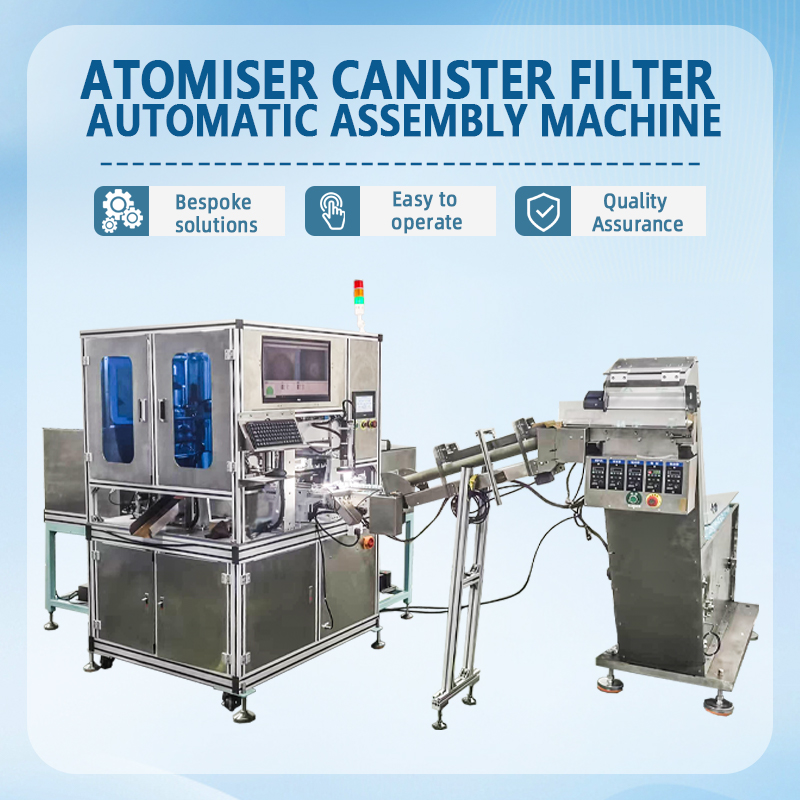
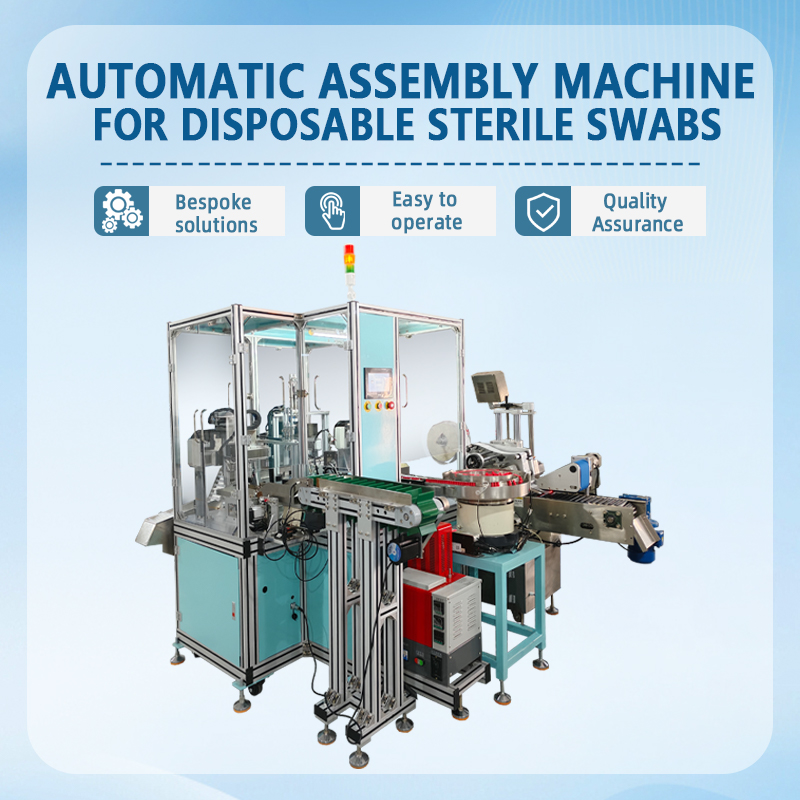
An automated production line is a comprehensive equipment system that integrates automatic feeding, mechanical assembly, precision inspection, intelligent packaging, and data acquisition. It enables the continuous production of products—from raw materials to finished goods—with minimal human intervention or in an unmanned operational mode. Compared to traditional manual assembly lines, automated production lines possess the capability for uninterrupted 24-hour operation, boosting production efficiency by a factor of three to five. Furthermore, through the utilization of vision inspection and automatic calibration systems, product consistency and yield rates are significantly enhanced, thereby substantially reducing labor costs and alleviating the pressures associated with quality management.
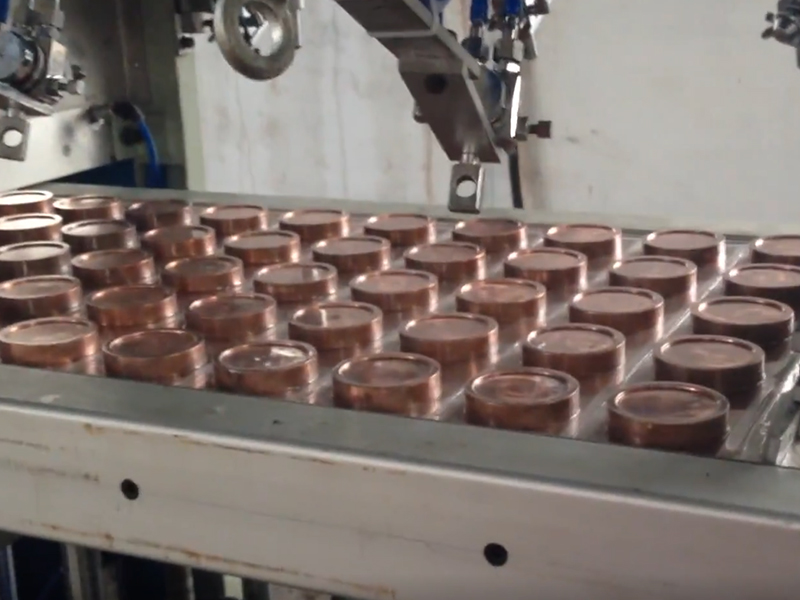
An automated production line constitutes a modern manufacturing ecosystem comprising automatic feeding systems, automated processing equipment, automated assembly equipment, automated inspection equipment, automated packaging equipment, and an intelligent control system. By facilitating the collaborative operation of these automated devices, it achieves full-process automation—from raw materials to finished products—thereby significantly elevating an enterprise's overall manufacturing capabilities.
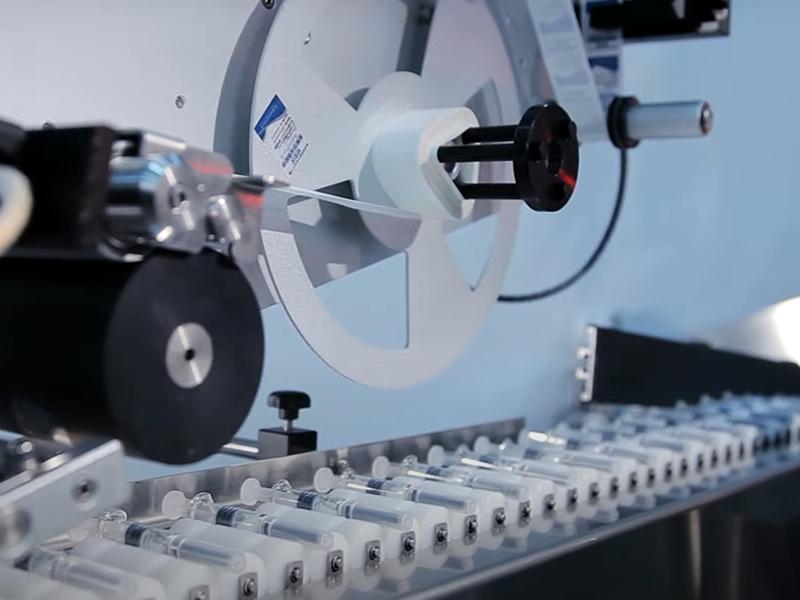
The automated production line utilizes a conveyor system to automatically transport products to various workstations, where different processing stages are executed according to pre-programmed sequences. During the production process, automatic feeding mechanisms handle material conveyance, while robotic manipulators or specialized assembly mechanisms perform operations such as assembly, welding, press-fitting, and screw fastening.
Concurrently, a vision inspection system monitors product quality in real time, automatically checking for dimensional accuracy, surface appearance, assembly integrity, and other parameters to ensure strict adherence to production standards. Finally, an automated packaging system completes the final stages—including counting, bagging, boxing, and carton sealing—culminating in a production line that operates with minimal human oversight or is entirely unmanned.
The entire production process is centrally managed by a PLC control system, industrial computers, and intelligent software, enabling seamless equipment linkage, comprehensive data acquisition, and real-time production monitoring.
Significantly Increased Production Efficiency: Automated production lines are capable of continuous, stable operation around the clock. Their production efficiency far surpasses that of traditional manual manufacturing models, effectively meeting the demands of large-volume orders.
Reduced Labor Costs: Automated equipment replaces a vast amount of repetitive manual labor, thereby reducing workforce requirements and lowering an enterprise's long-term operational costs.
Enhanced Product Quality: By leveraging high-precision automated machinery and vision inspection systems, human error is effectively minimized, resulting in improved product consistency and higher yield rates. Enhance Corporate Management: Automated production lines enable real-time monitoring of production data, providing foundational support for digital management and the development of smart factories.
Boost Market Competitiveness: Automated production shortens delivery lead times, improves customer satisfaction, and strengthens the company's competitive edge in the market.

As a professional manufacturer of automated equipment, Guanshentai has long focused on the R&D and manufacturing of automated production lines, dedicated to providing clients with efficient, stable, and intelligent automated production solutions.
Guanshentai boasts an experienced R&D team and extensive expertise in project implementation, enabling us to provide customized, non-standard automation solutions tailored to each client's specific product characteristics and production requirements. We offer a comprehensive, one-stop service—spanning solution design, equipment development, manufacturing, installation, and commissioning.
Guanshentai’s automated production lines are widely utilized across various sectors, including medical consumables, biotechnology, electronics, plastic products, hardware components, and packaging. Renowned for their stable operation, high degree of automation, and ease of maintenance, our equipment has earned widespread recognition and trust from our clients.
Furthermore, Guanshentai offers full-line integration capabilities—seamlessly combining automated assembly, automated inspection, automated packaging, robotic handling, and MES production management systems—to assist enterprises in establishing intelligent manufacturing workshops.
When selecting an automated production line, enterprises are advised to prioritize the following key dimensions:
Industry Suitability and Process Alignment: Conduct a thorough assessment of how well the proposed equipment solution aligns with your specific product structure and manufacturing processes. Prioritizing equipment suppliers with a proven track record of successful implementations within your specific industry can significantly mitigate project execution risks.
Equipment Precision and Stability: For sectors with stringent requirements regarding product dimensions and functionality—such as precision consumables and medical devices—priority should be given to solutions equipped with high-precision servo drives and vision inspection systems to ensure assembly accuracy remains within a tolerance of ±0.1mm.
Automation and Intelligent Inspection Capabilities: Evaluate whether the equipment incorporates multiple intelligent quality control modules—such as vision inspection and pressure testing—to ensure automated quality assurance throughout the entire production workflow.
Flexible Design and Multi-Specification Compatibility: Assess the equipment's capacity for rapid changeovers and product switching to ensure it can adapt to future product updates and generational upgrades.
Supplier Technical Strength and Service System: Verify that the manufacturer possesses a mature R&D team, robust project management capabilities, and the capacity to provide comprehensive, one-stop services covering the entire project lifecycle. Amidst the overarching trend of intelligent transformation in the manufacturing sector, selecting an automated production line characterized by high precision, exceptional stability, and capabilities for intelligent inspection and data traceability is no longer merely a means to enhance efficiency; rather, it serves as a pivotal cornerstone for enterprises to build their core competitiveness.