Release Date:2026-08-03 16:11:36 Popularity:
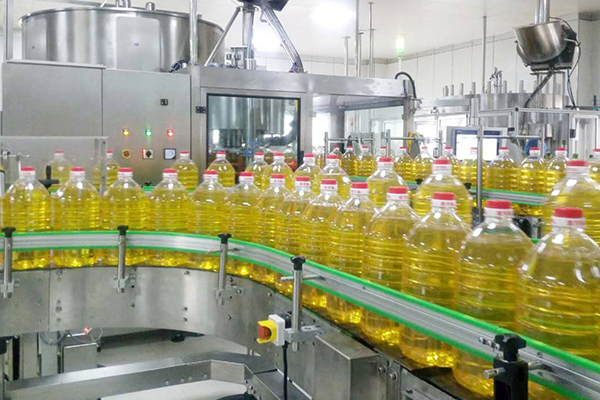
Automated food production line equipment refers to a suite of automated machinery used across various stages of food processing, including raw material handling, conveying, sorting, filling, packaging, sealing, labeling, inspection, casing, and palletizing. By integrating PLC control systems, servo drive technology, intelligent inspection modules, and automated mechanical mechanisms, these systems enable the fully automated operation of the entire food production process. Adaptable to various food types and production requirements, this equipment serves sectors such as beverages, sauces, snacks, confectionery, fresh-cut vegetables, ready-made meals, condiments, quick-frozen foods, and leisure foods, helping enterprises achieve efficient transformation from raw materials to finished products.
Core Advantages of Automated Food Production Line Equipment
Increased Production Efficiency: The food industry is characterized by rapidly changing orders and high market demand; traditional manual production methods struggle to meet the requirements of ever-increasing capacity needs. Automated production lines enable continuous, high-speed operation, significantly reducing manual labor time and increasing output per unit of time, thereby allowing enterprises to respond quickly to market demands.
Ensured Product Quality Consistency: Food production demands extremely high levels of consistency and standardization. Automated equipment precisely controls every process step, minimizing human error and ensuring stability in product weight, specifications, packaging quality, and production cadence, ultimately improving the finished product pass rate and enhancing the consumer experience.
Reduced Labor Costs: As labor costs for food processing enterprises continue to rise, upgrading to automation has become an inevitable trend. Automated production lines replace a large volume of repetitive manual tasks, reducing personnel requirements and cutting costs associated with training, management, and rework, thus helping enterprises achieve cost reductions and efficiency gains.
Enhanced Food Hygiene and Safety: Food products directly impact consumer health, making hygiene control during production paramount. Automated production lines minimize human contact and reduce contamination risks; they are ideally suited for clean-room environments and standardized food factories, ensuring compliance with industry hygiene regulations.
Support for Flexible Production: The modern food market shows a clear trend toward product diversification, requiring enterprises to frequently switch between different specifications and packaging formats. Automated production lines can be modularly designed and custom-engineered based on specific product characteristics, meeting the demands for multi-variety, small-batch, and rapid changeover production.
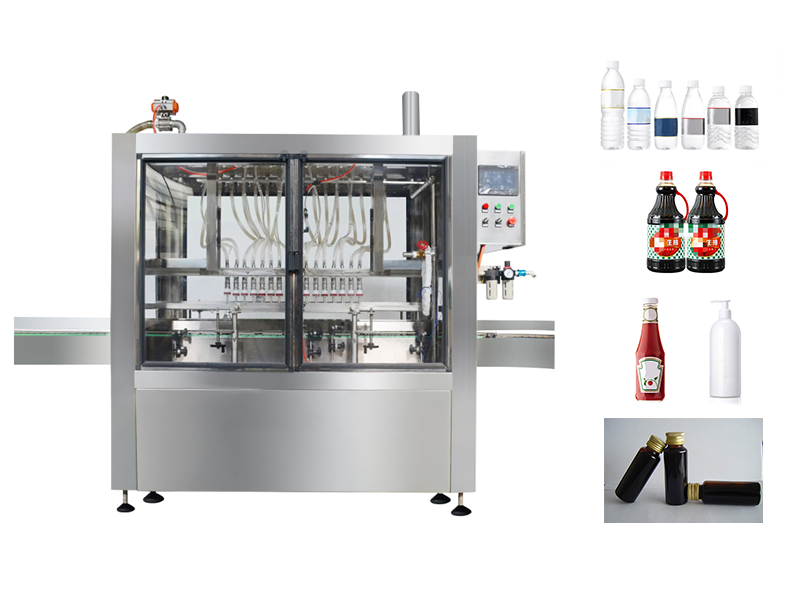
Guanshentai Food Automation Production Line Solutions
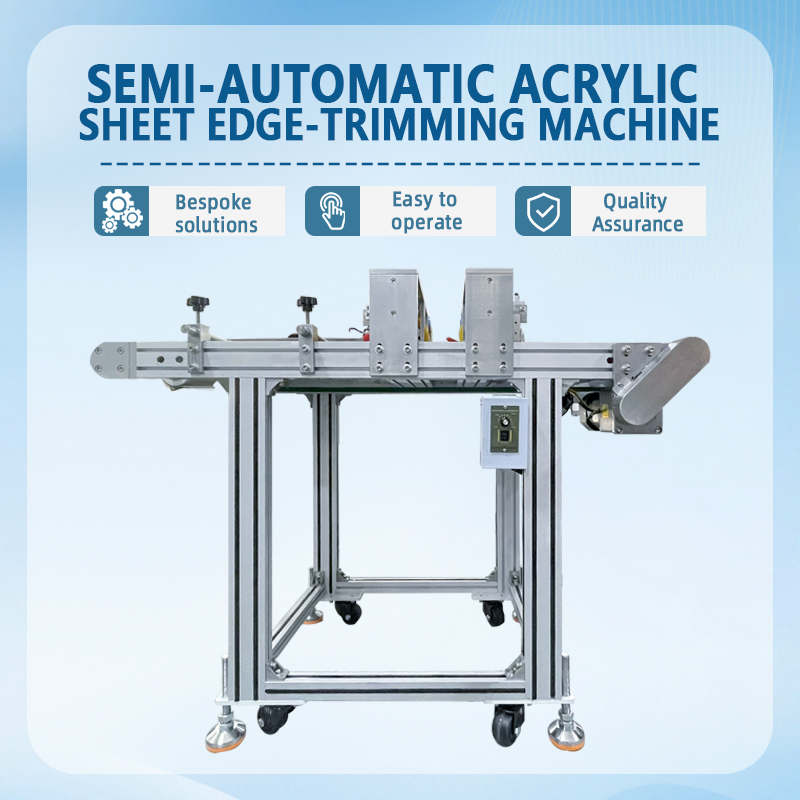
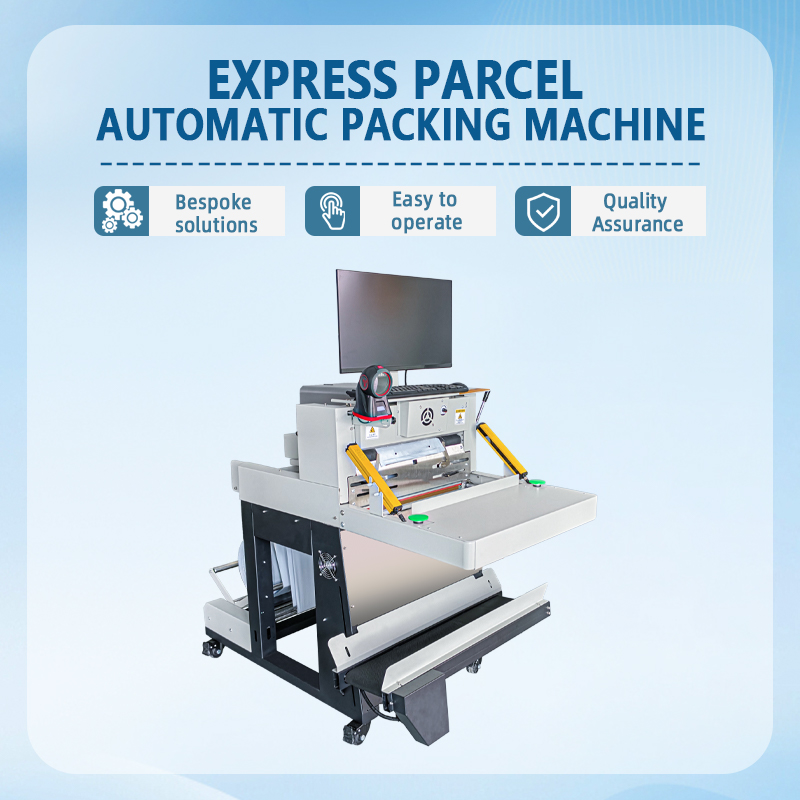
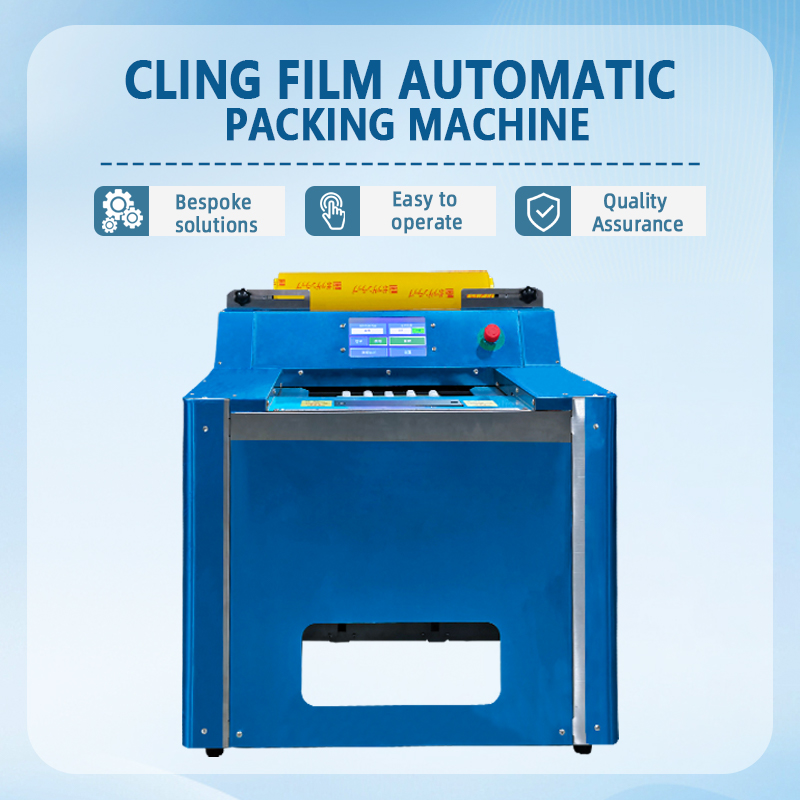
As a specialist in the R&D and manufacturing of automation equipment, Guanshentai has long focused on developing food automation production lines, automatic packaging machinery, and custom automation equipment, backed by extensive project experience and a mature technical team.
Guanshentai’s food automation production line equipment can be tailored to specific customer needs, offering a wide range of functions such as automatic feeding, sorting, weighing, filling, sealing, inspection, cartoning, and palletizing.
Featuring advanced control systems and precision mechanical structures, the equipment ensures stable operation, high efficiency, ease of use, and convenient maintenance. Guanshentai provides customized solutions for various applications across the food industry.
For instance, in the beverage industry, the equipment enables integrated filling, capping, and labeling; for sauces, it offers filling and packaging systems capable of handling high-viscosity materials; for ready-to-eat meals, it designs lines for automatic portioning, sealing, and cartoning; and for snack foods, it provides systems for automatic counting, bagging, and sealing, helping enterprises achieve end-to-end automated production.
Furthermore, Guanshentai integrates its food automation production lines with automatic inspection systems, robotic handling units, intelligent warehousing, and MES (Manufacturing Execution Systems) to create comprehensive smart manufacturing ecosystems. This enables production data visualization, process traceability, and refined management.
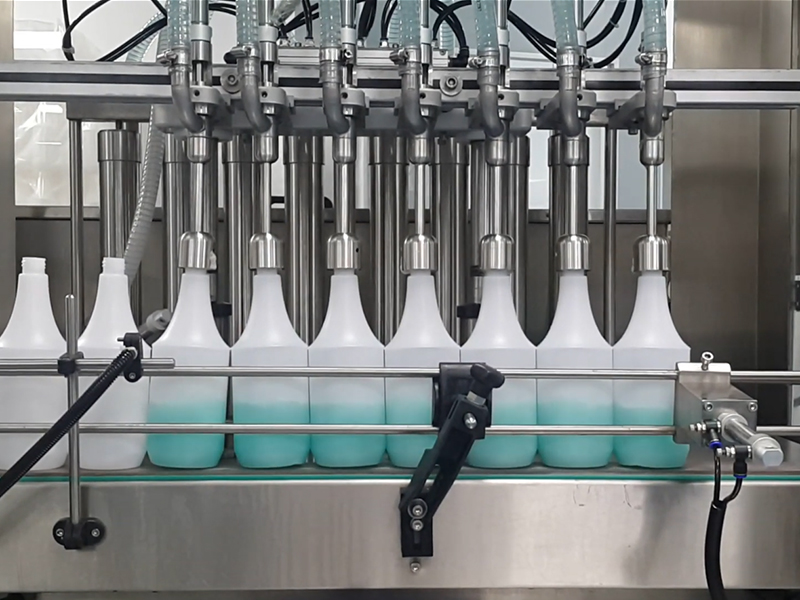
Traditional manual production methods suffer from low efficiency, high labor costs, and inconsistent standards; they are also prone to human error, leading to fluctuations in product quality—shortcomings that can no longer meet the demands of modern food enterprises for large-scale, standardized, and intelligent production. Consequently, an increasing number of companies are adopting advanced food automation equipment to boost production capacity, upgrade their facilities, and enhance brand competitiveness. As a professional manufacturer, Guanshentai is dedicated to the R&D and production of food automation equipment, delivering efficient, stable, and customizable smart solutions to its clients.