Release Date:2026-10-31 15:20:15 Popularity:
As the industrial manufacturing sector continues to evolve towards automation, intelligence, and precision, more and more companies are introducing automated equipment to improve production efficiency, reduce labor costs, and enhance product quality. However, the market is flooded with automation equipment manufacturers, each with varying technical capabilities, equipment configurations, customization experience, and after-sales service. Therefore, choosing the right automation equipment manufacturer has become a crucial issue for many manufacturing companies during equipment procurement and production line upgrades. Selecting the right manufacturer not only determines whether the equipment meets production needs but also impacts the company's subsequent production efficiency and operating costs.
1. Clarify your own production needs
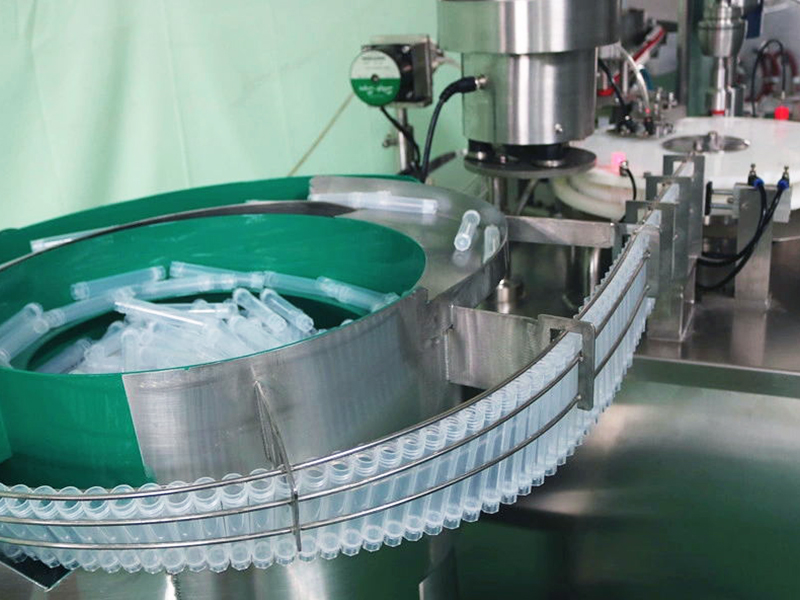
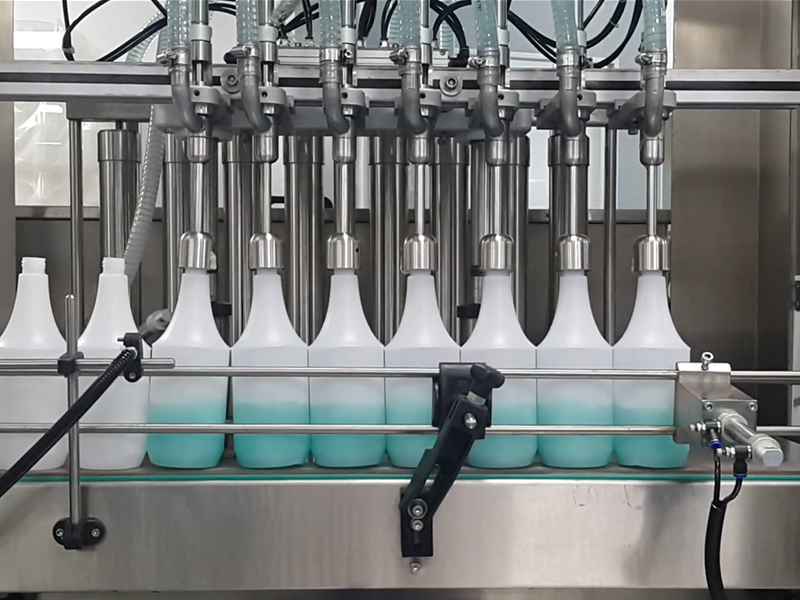
Before selecting an automation equipment manufacturer, companies first need to clarify their production goals, including product type, process flow, expected capacity, product quality requirements, and budget range. Different production scenarios have different requirements for automation equipment. For example, medical consumables production may involve automatic assembly, ultrasonic welding, visual inspection, and blister packaging; plastic product production may involve automatic feeding, tube cutting, screen printing, and assembly; while the packaging industry focuses more on automatic filling, sealing, labeling, and packaging efficiency.
Organizing product drawings, physical samples, and process requirements in advance helps automation equipment manufacturers accurately understand project needs and develop equipment solutions that better suit actual production conditions.
2. Examining the Technical Strength of Automation Equipment Manufacturers
Technical strength is an important criterion for selecting automation equipment manufacturers. Companies should focus on understanding the manufacturer's mechanical design, electrical control, automation programming, vision inspection, and equipment integration capabilities to determine whether it has the technical foundation to solve practical production problems.
For products with complex structures and numerous processes, companies should pay attention to whether the manufacturer can conduct a comprehensive process analysis, rather than simply piecing together multiple mechanisms. A mature solution typically requires comprehensive consideration of factors such as product positioning, feeding stability, equipment cycle time, troubleshooting, and post-maintenance.
3. Focus on the ability to customize non-standard automated equipment
Standard equipment can meet some routine production needs, but when product specifications are special, assembly processes are complex, or production processes have personalized requirements, the customization of non-standard automated equipment becomes particularly important.
When selecting a manufacturer, it's essential to understand their ability to customize designs based on product samples, technical drawings, and site layout. They should also determine if they can provide suitable solutions for processes such as automated feeding, precision assembly, automated testing, pipe cutting, screen printing, and packaging. Furthermore, it's crucial to confirm in advance the equipment's upgrade path, future expansion capabilities, and key process verification requirements to avoid equipment delivery that is unsuitable for actual production.
4. Assessing Equipment Stability and Overall Cost
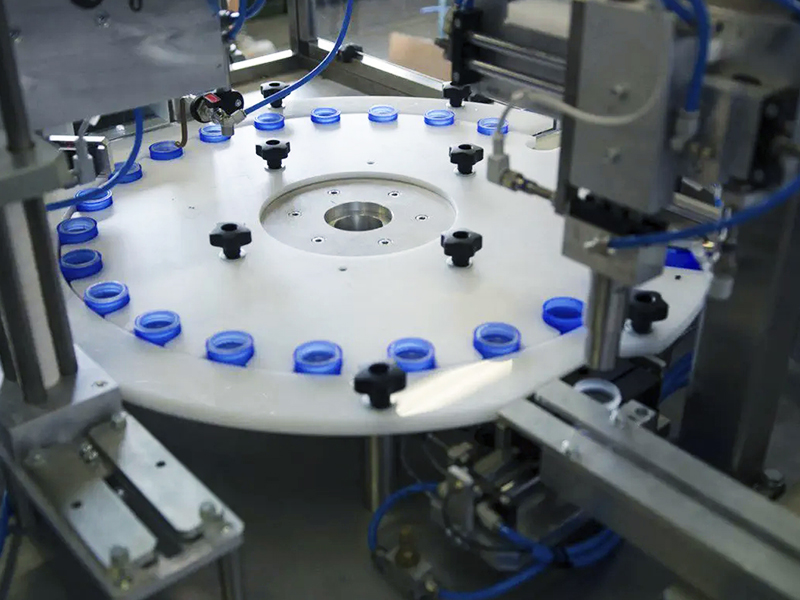
When purchasing automated equipment, one should not only focus on the initial price, but also comprehensively evaluate the equipment's stability, the cost of vulnerable parts, the difficulty of maintenance, the operating efficiency, and the personnel training costs.
Companies can request manufacturers to specify the main equipment configuration, key component selection, expected production cycle time, and acceptance standards, and conduct sampling or trial runs to verify the actual product. For projects with clear quality requirements, product qualification standards, equipment operating requirements, and abnormal handling mechanisms should also be included in the technical agreement. Thorough communication in the early stages can reduce uncertainties during later commissioning and production.
5. Emphasize after-sales service and technical support
After automated equipment is put into production, equipment maintenance, troubleshooting, parameter adjustments, and process optimization can all affect production plans. Therefore, when selecting an automated equipment manufacturer, it is essential to understand their installation and commissioning, operation training, spare parts supply, and after-sales response mechanisms.
For non-standard automation projects, it is also necessary to confirm the scope of technical support after equipment delivery, and whether corresponding upgrade services can be provided in case of product modifications or new production needs. Comprehensive after-sales support helps ensure long-term equipment operation and reduces downtime risks.
6. GST: Focusing on automated equipment and non-standard customized solutions
GST specializes in automated equipment and non-standard automation solutions. We can evaluate corresponding equipment design and integration solutions based on customers' product structure, production processes, and actual production capacity requirements. Related applications include automated assembly of medical consumables, plastic tubing processing, automated visual inspection, and automated filling and packaging equipment.
For companies seeking automation equipment manufacturers, custom non-standard automation equipment manufacturers, or automated production line solutions, project communication can be conducted based on product drawings, physical samples, production cycle times, and site conditions. Guanshengtai can conduct solution evaluations according to specific needs, helping clients clarify equipment configuration and process implementation direction. Specific equipment functions, technical parameters, and project delivery requirements will be subject to actual communication and the final technical solution.
How to choose an automation equipment manufacturer ? Enterprises need to conduct a comprehensive evaluation from multiple aspects, including technical strength, non-standard customization capabilities, equipment stability, overall cost, and after-sales service. Thorough communication of process requirements before procurement, along with sample testing and comparison of technical solutions, can help enterprises improve the accuracy of equipment selection. If you are planning an automated production line or looking for a manufacturer of non-standard automated equipment, you can learn about GST's automation equipment solutions. By combining your actual products and production needs, you can choose the appropriate equipment configuration to drive production process optimization and enterprise automation upgrades.