Release Date:2026-08-06 16:22:18 Popularity:
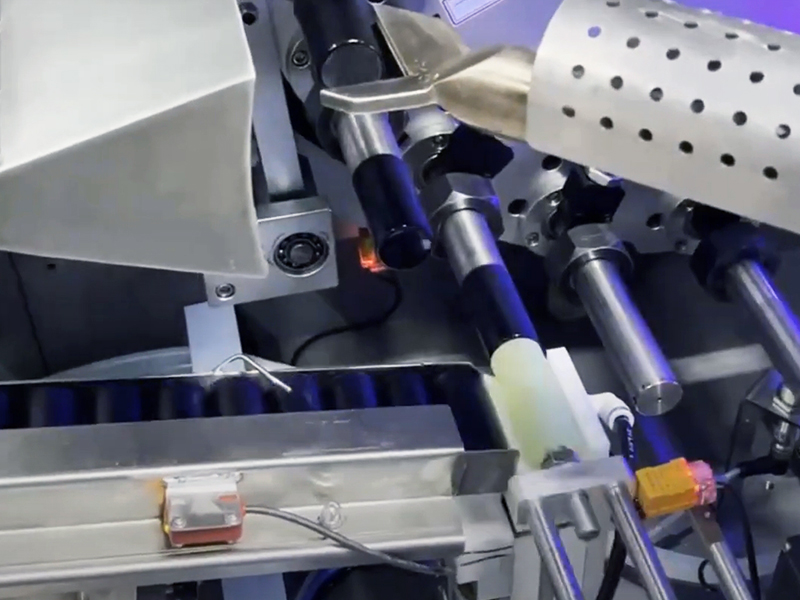
A fully automated production line is a modern production model that integrates multiple manufacturing processes using technologies such as mechanical automation, electrical control, industrial robotics, machine vision, and intelligent inspection. Unlike traditional standalone equipment, fully automated lines link stages—such as loading, conveying, positioning, processing, assembly, inspection, packaging, and unloading—to enable continuous production from raw materials to finished goods. Depending on the industry and product characteristics, these lines can be applied to sectors including medical consumables, electronics, automotive parts, hardware accessories, plastic products, food packaging, and consumer goods. Enterprises can utilize modular designs based on actual capacity and process requirements to dedicate a line to a single product type, or employ flexible solutions to accommodate the production of products with diverse specifications.
What are the advantages of fully automated production lines?
Increased Production Efficiency: Fully automated lines minimize manual intervention and enable the continuous operation of multiple production stages. Equipment automatically executes tasks—such as conveying, assembly, and inspection—according to preset programs, significantly shortening production cycles and boosting output per unit of time. This is particularly beneficial for enterprises handling high order volumes and requiring rapid production rhythms.
Improved Product Quality: Manual production is susceptible to variables such as operator skill levels and working conditions, whereas automated equipment executes standardized actions based on uniform programming. Through precise positioning, servo control, and machine vision inspection, these systems effectively reduce human error and enhance consistency in product dimensions, assembly precision, and visual quality.
Reduced Labor Costs: As labor costs rise, eliminating repetitive manual roles has become a key objective of automation upgrades. Fully automated lines replace numerous repetitive tasks, reducing the need for manual labor and cutting costs associated with training, management, and rework, thereby achieving long-term, stable cost reductions and efficiency gains.
Intelligent Management Capabilities: Modern fully automated lines do more than just execute production tasks; they integrate with MES and ERP systems, machine vision, and data acquisition platforms. This enables capabilities such as production volume tracking, equipment status monitoring, quality traceability, and production data management, laying the foundation for enterprises to build digital factories.
Support for Non-Standard Customization: Product structures, manufacturing processes, and on-site environments vary across enterprises, meaning standardized equipment often cannot fully meet specific needs. Therefore, professional automation equipment manufacturers can provide custom designs tailored to the client's products and production requirements, integrating functions such as automatic feeding, assembly, inspection, and packaging.
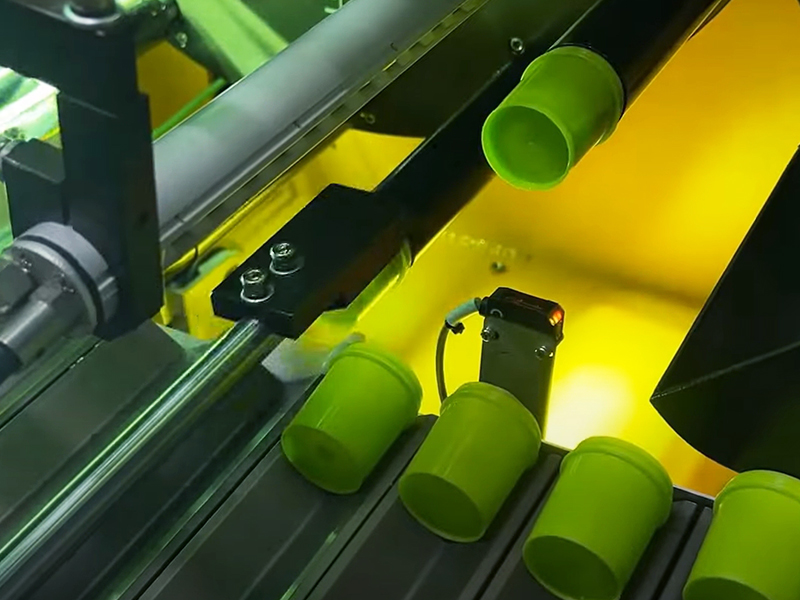
Guanshentai Fully Automated Production Line Solutions
As a professional enterprise dedicated to the R&D and manufacturing of automation equipment, Guanshentai has long focused on fully automated production lines, custom (non-standard) automation equipment, automatic assembly systems, and intelligent inspection equipment. We possess extensive project experience and a mature technical team.
Guanshentai develops comprehensive plans tailored to each client's specific product structure, manufacturing processes, capacity requirements, and factory layout. We provide one-stop automation solutions that cover everything from initial process analysis and system design to equipment manufacturing, installation, commissioning, and after-sales service.
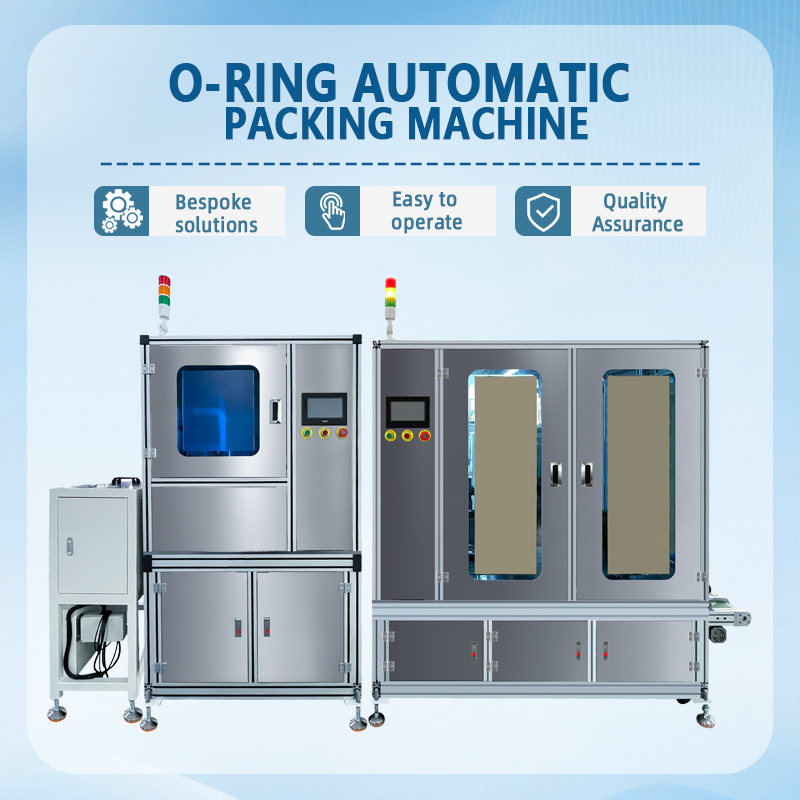
In the medical consumables sector, Guanshentai designs production lines for products such as pipettes, centrifuge tubes, reagent kits, syringes, and sampling swabs, incorporating automated processes for feeding, assembly, welding, inspection, counting, and packaging. In the industrial manufacturing sector, we provide automated assembly and inspection lines for hardware components, O-rings, check valves, plastic parts, and more. For the packaging industry, we offer fully automated solutions covering filling, sealing, labeling, cartoning, and case sealing.
Furthermore, Guanshentai integrates robots, machine vision systems, automated conveying systems, and intelligent control systems to create comprehensive smart manufacturing ecosystems, helping enterprises boost production efficiency and automation levels.
Driven by rapid advancements in artificial intelligence, industrial robotics, machine vision, and the Industrial Internet, fully automated production lines are evolving toward greater intelligence, flexibility, and digitalization. Future production lines will feature more agile product changeover capabilities, higher-precision visual inspection, and enhanced data management functions.
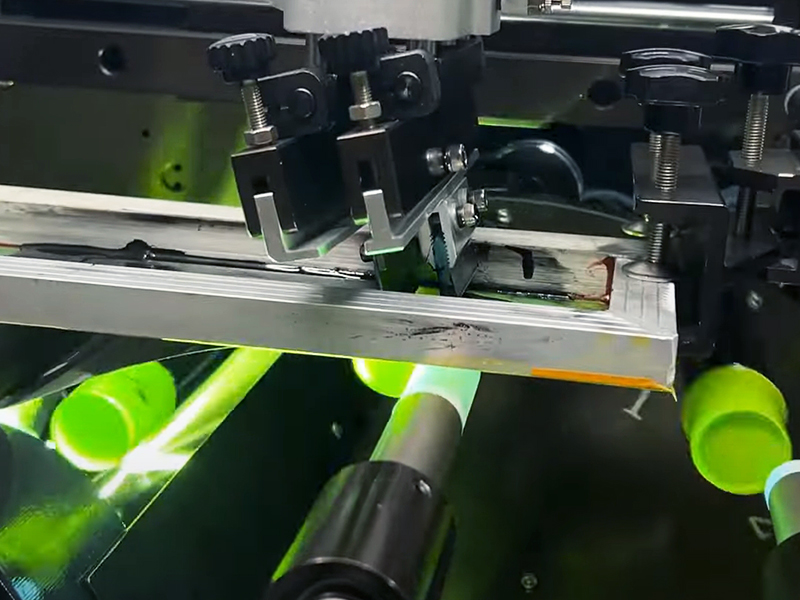
Traditional manual production models often struggle with low efficiency, high labor costs, and inconsistent quality when handling large-volume orders. To enhance their core competitiveness, an increasing number of manufacturers are adopting advanced fully automated production lines. By utilizing technologies such as automated feeding, assembly, inspection, and packaging, these companies achieve automation and intelligence across their production workflows. As a professional automation equipment provider, Guanshentai is committed to delivering efficient, stable, and customizable fully automated production line solutions to our clients.