Release Date:2026-08-06 16:28:59 Popularity:
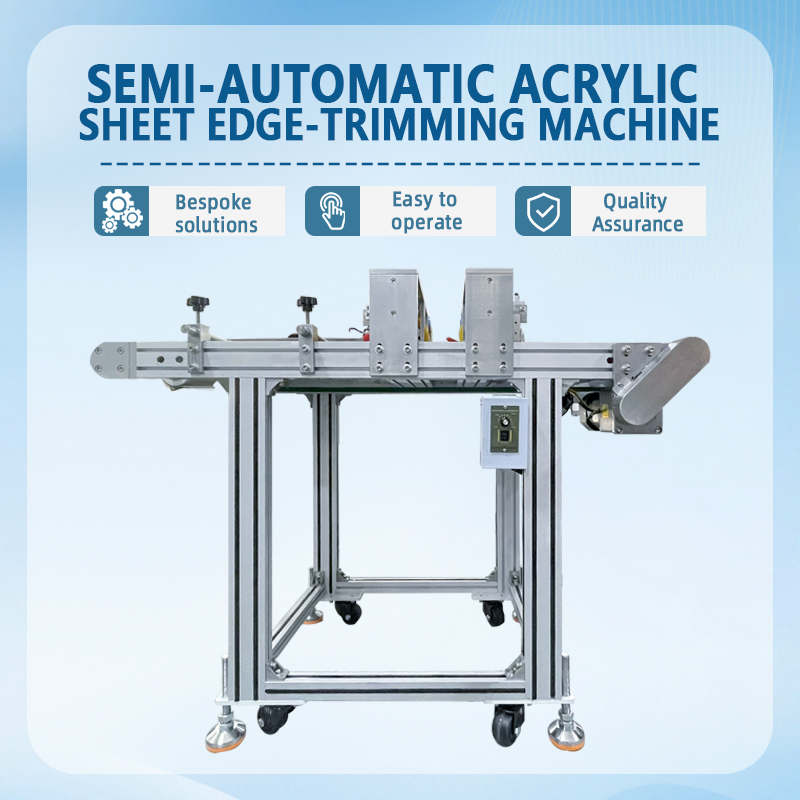
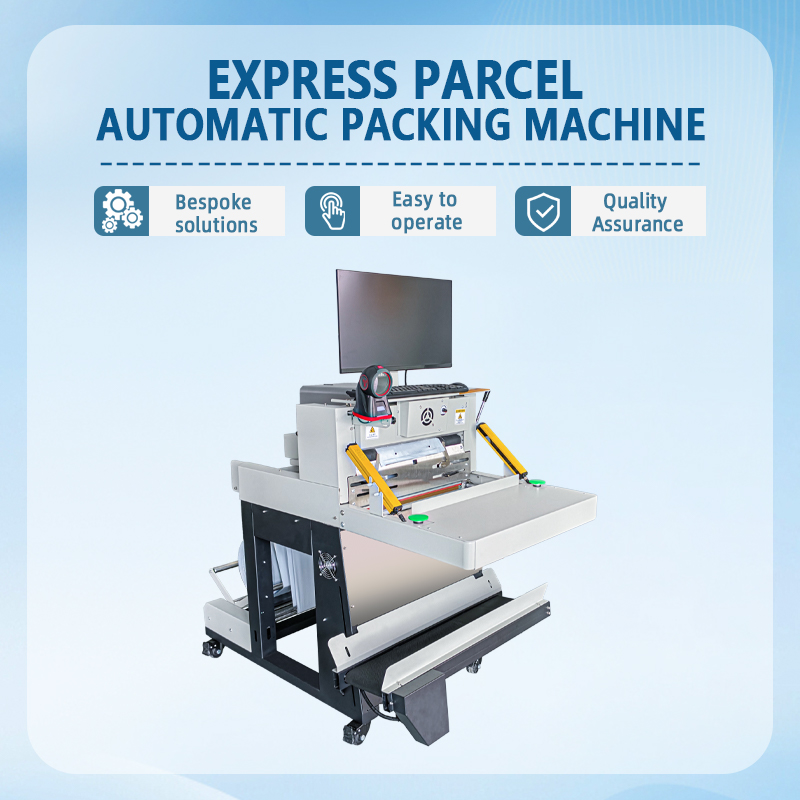
A non-standard automated production line is an automation system specifically designed based on a client's specific products, manufacturing processes, capacity requirements, and factory environment. Unlike standardized equipment, non-standard lines lack a fixed structural configuration or functional combination; instead, they are developed individually to meet actual production needs. A complete system typically integrates multiple processes—such as automatic loading, feeding, precision positioning, assembly, welding, inspection, packaging, and unloading—to achieve continuous, automated production from raw materials to finished goods. Therefore, when selecting a manufacturer for such equipment, one must look beyond price and evaluate capabilities in R&D, mechanical design, electrical control, project experience, and after-sales service.
Core Advantages of Non-Standard Automated Production Lines
High Alignment with Manufacturing Processes: Production processes vary significantly between enterprises, and standard equipment often requires substantial manual assistance. Non-standard lines can be customized to the product structure and workflow, ensuring equipment actions align precisely with production steps, thereby reducing manual intervention and increasing the overall level of automation.
Increased Production Efficiency: Functions such as automatic loading, assembly, inspection, and packaging link independent processes to enable continuous production. Compared to traditional manual operations, non-standard automated lines significantly accelerate production cycles (takt time), meeting the demands of high-volume manufacturing.
Enhanced Product Quality: Automated equipment executes tasks according to standardized programs, effectively minimizing human error. By integrating servo control, machine vision, and in-line inspection technologies, the system can monitor products in real-time, promptly reject defective items, and improve product consistency and the pass rate of finished goods.
Reduced Labor Costs: Non-standard automated equipment effectively replaces manual labor in highly repetitive or physically demanding tasks. Enterprises can reduce staffing requirements as well as costs associated with training, management, and rework, achieving long-term, stable cost reductions and efficiency gains.
Adaptability to Unique Enterprise Needs: The greatest advantage of non-standard automated production lines is that they are "tailor-made." Manufacturers design the equipment structure based on product dimensions, production cycle times, workshop layouts, and capacity requirements, ensuring the production line aligns perfectly with the enterprise's actual needs.
How to Choose a Manufacturer of Non-Standard Automated Production Line Equipment
When selecting a professional manufacturer of non-standard automated production line equipment, the first priority is to evaluate their R&D and design capabilities. A top-tier manufacturer should possess comprehensive technical expertise—spanning mechanics, electronics, software, and automation system integration—and be capable of formulating holistic solutions tailored to the client's specific production processes.
Secondly, it is essential to consider the manufacturer's practical project experience. Since product structures and production requirements vary across industries, a manufacturer with extensive experience can more accurately identify production pain points and mitigate risks during the solution design and equipment commissioning phases.
Furthermore, robust after-sales service is crucial. Non-standard automation equipment involves complex mechanical, electrical, and control systems that require ongoing maintenance after deployment. Therefore, the manufacturer must be capable of providing installation and commissioning, technical training, equipment maintenance, and comprehensive after-sales support.
As a professional manufacturer in this field, Guanshentai has long focused on the R&D and manufacturing of automation equipment, automatic assembly systems, intelligent inspection equipment, and automated production lines. We provide clients with one-stop solutions covering everything from process analysis and solution design to equipment manufacturing, installation, commissioning, and after-sales service.
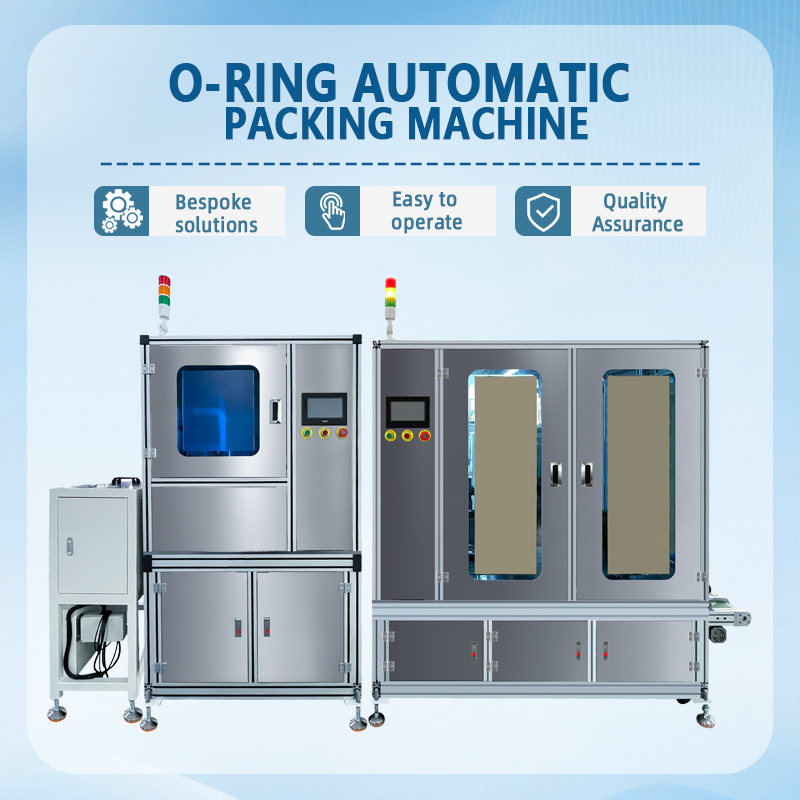
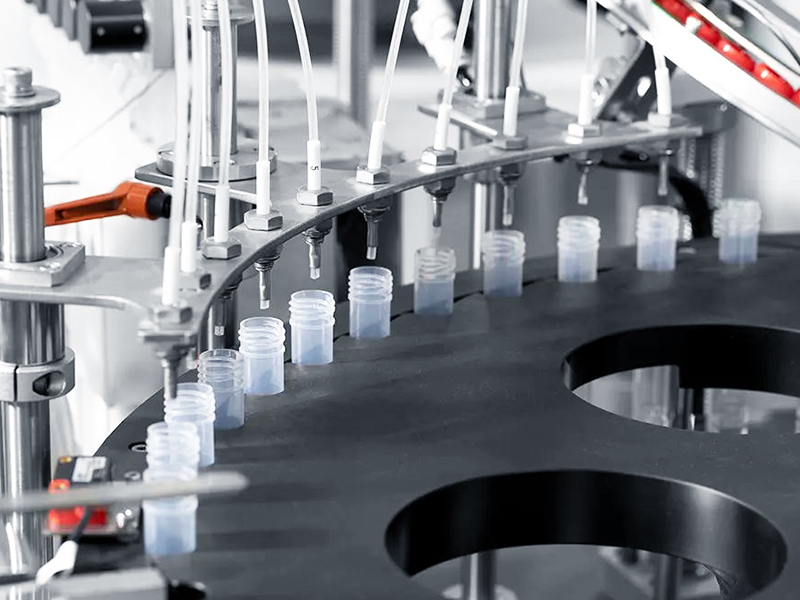
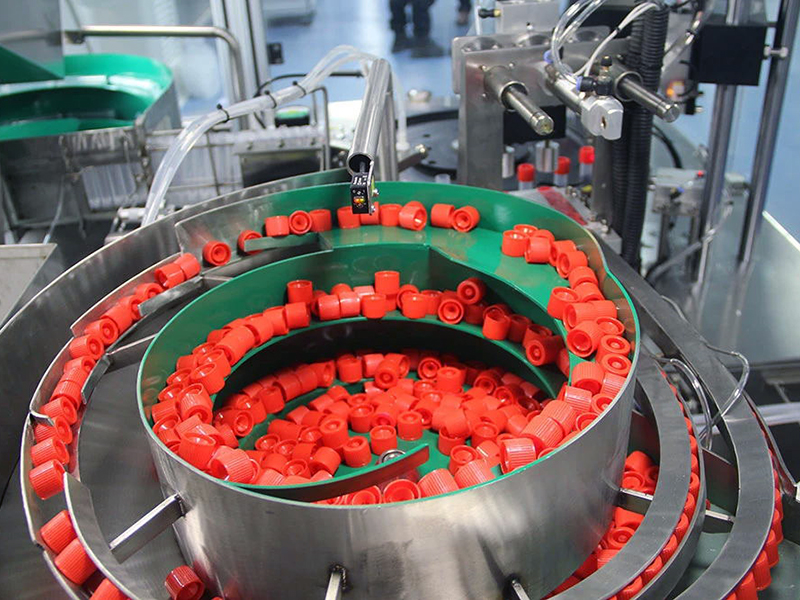
Guanshentai offers non-standard automation equipment for a wide range of industries, including medical consumables, electronic products, hardware components, plastic products, automotive parts, and daily consumer goods. For instance, in the medical consumables sector, we provide production lines for products such as pipettes, centrifuge tubes, reagent kits, and syringes, handling tasks like automatic feeding, assembly, welding, inspection, and packaging. In the industrial manufacturing sector, we design automatic assembly and inspection equipment for products such as O-rings, check valves, and hardware components.
Guanshentai also integrates automatic feeding systems, robotics, machine vision, automatic inspection, automatic packaging, and intelligent control systems. We create complete non-standard automated production lines tailored to the client's facility layout, helping enterprises upgrade their production processes through automation and intelligent technology.
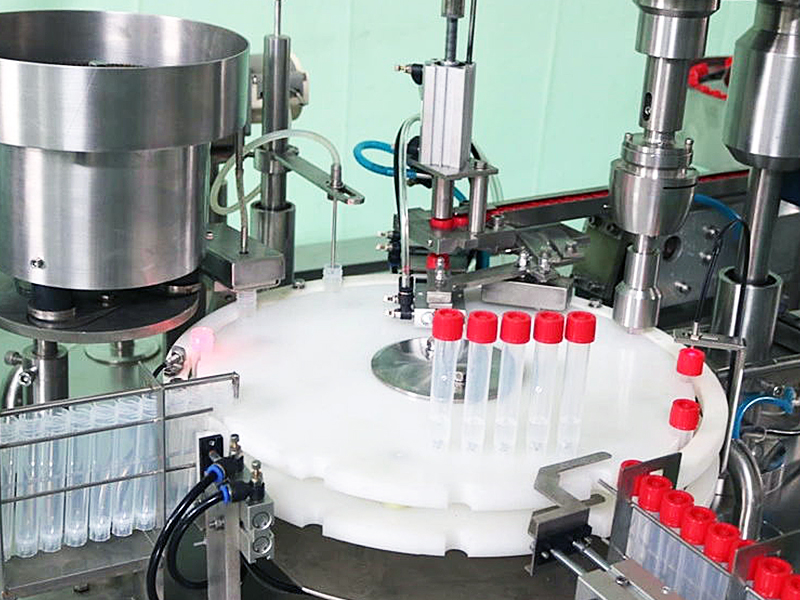
Traditional standard equipment often fails to fully meet the practical needs of enterprises dealing with diverse products, processes, and production environments. Consequently, an increasing number of companies are turning to professional manufacturers of non-standard automated production line equipment, seeking customized solutions to address challenges related to production efficiency, quality, and labor costs. As an enterprise dedicated to the R&D and manufacturing of automation equipment, Guanshentai has long focused on the design, fabrication, and system integration of custom automation equipment and production lines, providing clients with efficient, stable, and flexible intelligent manufacturing solutions.