Release Date:2026-09-18 15:34:47 Popularity:
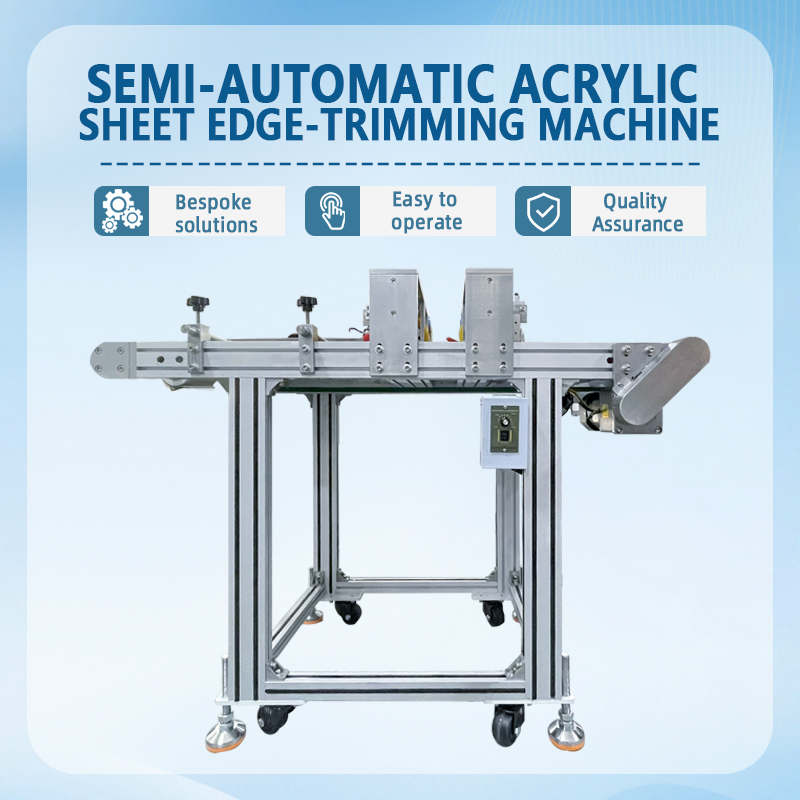
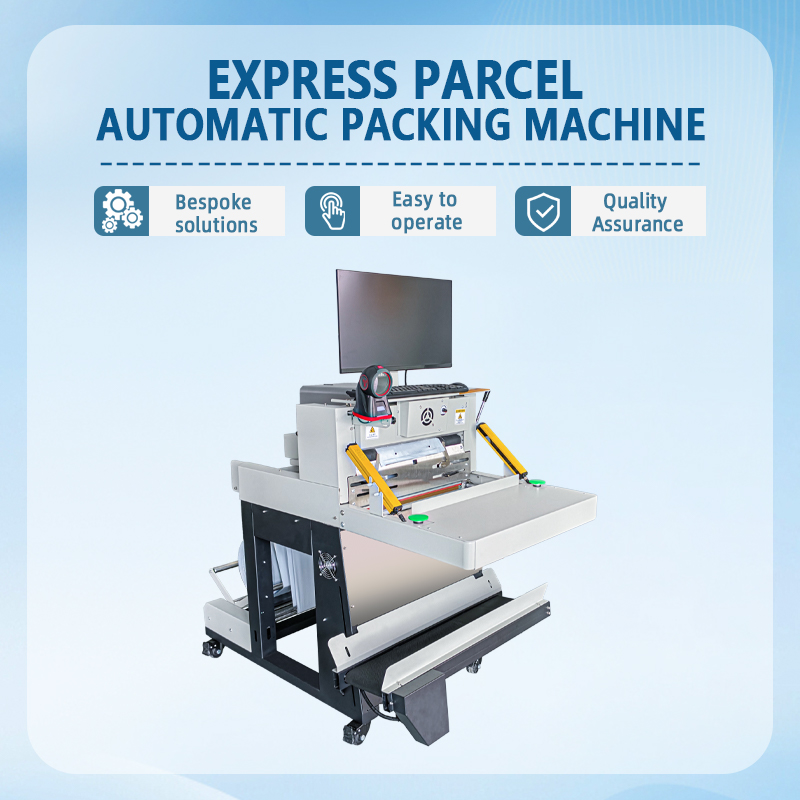
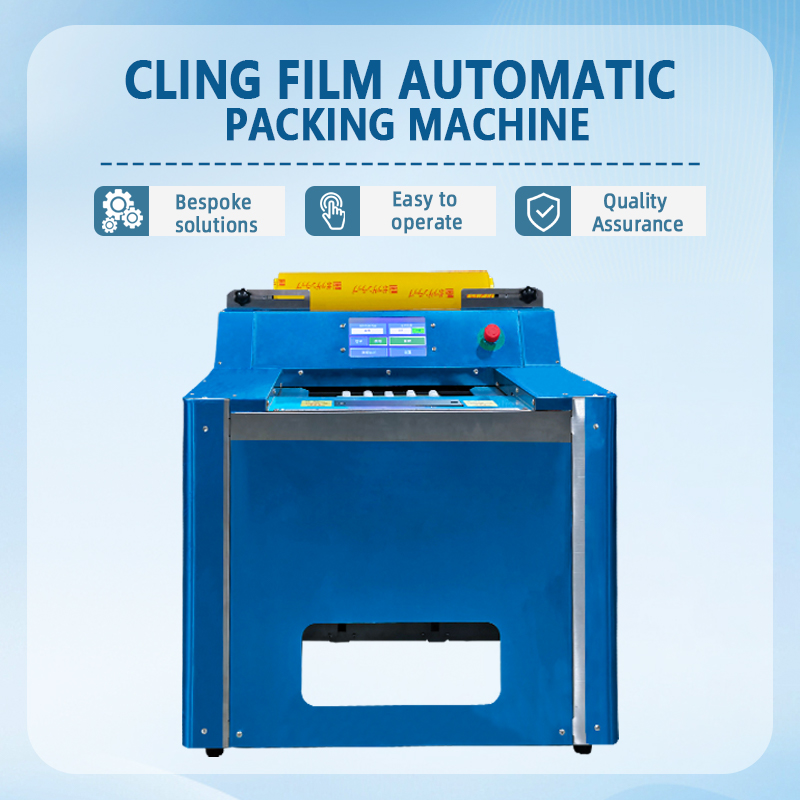
Industrial automation equipment refers to automated equipment applied in industrial production processes. Through technologies such as mechanical structures, electrical controls, PLC systems, servo drives, industrial robots, machine vision, and sensors, it automates product feeding, positioning, processing, assembly, inspection, packaging, and unloading. Compared to traditional manual operation, industrial automation equipment can stably execute production tasks according to preset programs, reducing the impact of human factors. Furthermore, through the collaborative work of multiple functional modules, it improves production efficiency and product quality. Depending on the production process, industrial automation equipment can include automatic feeding machines, automatic assembly machines, automatic welding equipment, automatic testing equipment, automatic packaging machines, and complete automated production lines. It is widely used in industries such as medical consumables, electronics, hardware, plastics, automotive parts, food packaging, and daily necessities.
The core advantages of choosing an industrial automation equipment manufacturer
Improved production efficiency: Automated equipment can operate continuously according to a set cycle time, reducing manual loading and unloading and waiting time at each process. Through the coordination of processes such as automatic feeding, automatic assembly, automatic testing, and automatic packaging, the output per unit time can be significantly increased, the production cycle can be shortened, and order delivery efficiency can be improved.
Improving product quality: Manual production is easily affected by operator experience and work conditions, which may lead to fluctuations in product quality. Industrial automation equipment uses standardized procedures, high-precision positioning, and servo control to ensure more stable production actions, and improves product consistency by combining visual inspection, dimensional inspection, and functional testing.
Reduce labor costs: For repetitive and labor-intensive production processes, automated equipment can replace some manual labor, reducing companies' reliance on skilled workers. It can also reduce personnel training, management, and rework costs, achieving long-term, stable cost reduction and efficiency improvement.
Achieving production process standardization: Professional industrial automation equipment manufacturers design solutions based on a company's actual production processes, transforming complex processes into standardized equipment actions. By unifying control parameters, different batches of products can maintain a relatively stable production status.
Supports intelligent inspection and data management: Modern automated equipment can not only complete production, but also integrate machine vision, sensors and data acquisition systems to realize product quality inspection, equipment status monitoring and production data recording, providing equipment foundation for enterprises to build digital factories.
Support for non-standard customization: Different products have significantly different structures and production processes, and standard equipment may not be able to fully meet actual needs. Professional industrial automation equipment manufacturers can provide non-standard customization based on product size, assembly process, production cycle time, and factory layout, improving the matching degree between equipment and production processes.

Guanshengtai Industrial Automation Equipment Solutions
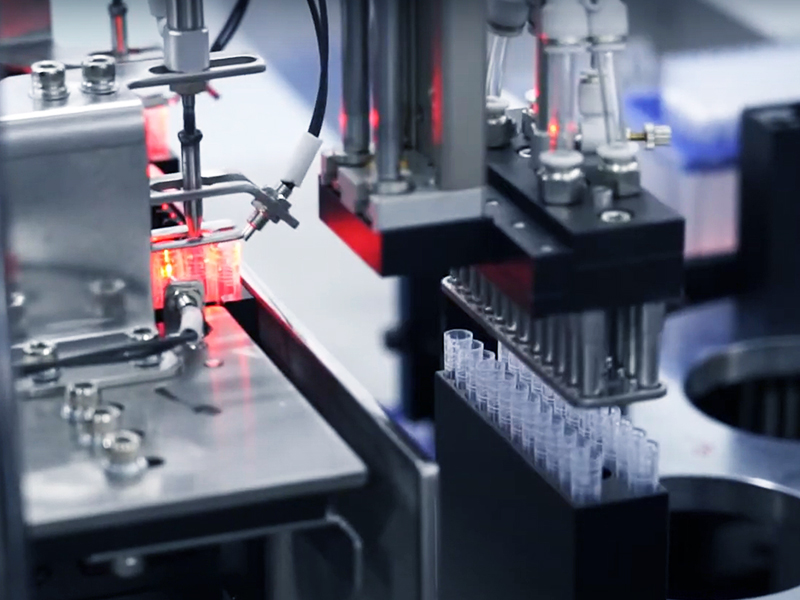
As a professional industrial automation equipment manufacturer, Guanshengtai has long focused on the research and development and manufacturing of automatic assembly machines, automatic testing equipment, automatic packaging equipment, non-standard automation equipment and intelligent production lines, providing customers with one-stop solutions from demand analysis and solution design to equipment manufacturing, installation and commissioning and after-sales service.
Guanshengtai can design functional modules such as automatic feeding, automatic material feeding, vision positioning, automatic assembly, pressing, welding, testing, packaging and automatic unloading according to the customer's product structure, production process, capacity requirements and workshop layout, so as to realize the automation of the production process.
In addition, Guanshengtai can also integrate industrial robots, machine vision, automatic packaging, intelligent conveying and MES production management system into a whole line to help enterprises build a more complete intelligent automated production system and realize digital, visual and traceable management of the production process.
When choosing an industrial automation equipment manufacturer, companies should not only focus on the price of the equipment, but also examine the manufacturer's R&D and design capabilities, project experience, equipment manufacturing capabilities, and after-sales service level.
First, it's necessary to understand whether the manufacturer possesses comprehensive technical capabilities in mechanical design, electrical control, automation programming, machine vision, and system integration. Non-standard automated equipment involves the coordinated operation of multiple systems, and the overall design capability directly affects the equipment's stability and production efficiency.
Secondly, it's important to consider whether the manufacturer possesses project experience relevant to their industry. Different products exhibit significant differences in material handling, assembly, testing, and packaging. Manufacturers with industry experience can more accurately analyze customer needs and reduce trial-and-error costs during project implementation.
In addition, installation and commissioning, operation training, equipment maintenance and after-sales technical support are equally important, as these services can help companies reduce the risks of using equipment after investment.

With the continuous development of artificial intelligence, industrial robots, machine vision, and industrial internet technologies, industrial automation equipment is upgrading towards higher speeds, greater intelligence, greater flexibility, and digitalization. Simultaneously, data collection and analysis enable equipment status monitoring, production efficiency analysis, and predictive maintenance. For modern manufacturing enterprises, choosing a professional industrial automation equipment manufacturer can not only improve production efficiency and product quality but also reduce labor and overall operating costs, providing strong support for building smart factories and digital production systems.