Release Date:2026-09-23 15:57:46 Popularity:
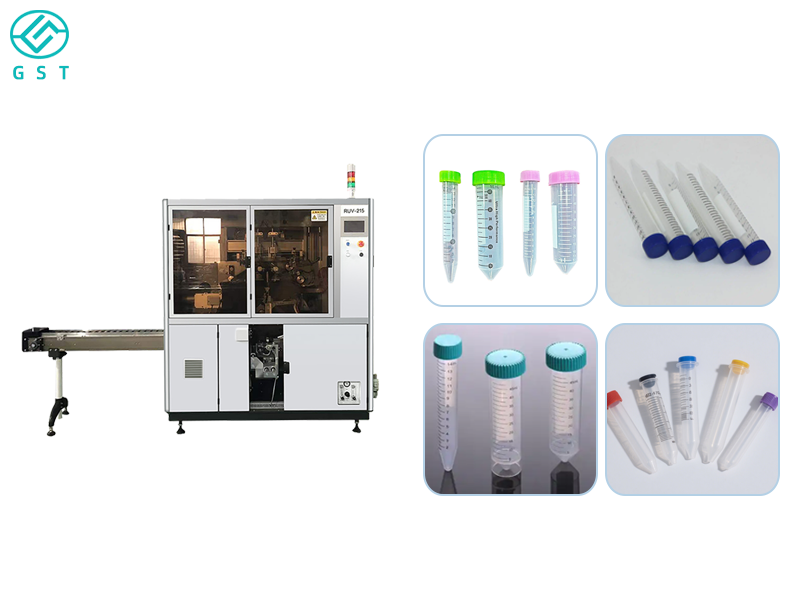
A fully automatic screen printing machine is an automated device that uses screen printing technology to print text, patterns, logos, scales, model numbers, and other markings on the surface of products. The equipment can integrate multiple processes such as automatic feeding, positioning, screen printing, curing, inspection, and unloading, according to product characteristics, to achieve continuous production. Through a PLC control system, servo drive technology, precision positioning mechanism, and sensor detection module, the fully automatic screen printing machine can complete standardized printing actions according to a preset program, reducing errors caused by manual handling and positioning, while improving production efficiency and printing consistency. Depending on the product shape and process requirements, the fully automatic screen printing machine can be applied to flat, cylindrical, curved, and some irregularly shaped products, and is widely used in industries such as medical consumables, plastic products, electronic products, hardware parts, packaging products, and daily necessities.
The core advantages of fully automatic screen printing machines
Improving production efficiency: Traditional manual screen printing requires multiple steps, including product handling, positioning, printing, and unloading. Production speed is easily affected by the number and skill level of the workers. Fully automated screen printing machines can automatically connect multiple processes, running continuously according to a set rhythm, significantly reducing manual operation and waiting time, and increasing output per unit time. For mass production enterprises, automated screen printing equipment can effectively shorten production cycles, improve order fulfillment capabilities, and reduce personnel requirements.
Improving printing precision: The printing position of product logos, scales, and text directly affects the product's appearance and usability. Fully automatic screen printing machines use precision positioning mechanisms, servo control, and specialized tooling fixtures to precisely control product position, ensuring consistency across different products. For products with specific marking requirements, such as pipettes and centrifuge tubes, visual positioning technology can be incorporated to enhance product orientation recognition and printing positioning capabilities.
Reduced labor costs: Traditional screen printing production typically requires manual labor for tasks such as loading and unloading, positioning, and inspection. Using fully automated screen printing machines reduces repetitive manual operations, lowering personnel costs and training expenses, while also reducing operational errors and rework caused by human fatigue.
Improve product consistency: Automated equipment executes printing actions according to a unified procedure, which can standardize the control of printing speed, cycle time, positioning method and related process parameters, reduce the differences caused by different operators and make batch products have more stable printing results.
Supports online visual inspection: Based on the customer's actual production needs, the fully automatic screen printing machine can integrate a machine vision inspection system to automatically identify printing positions, character integrity, pattern defects, and omissions. Upon detecting abnormalities, the equipment can automatically alarm or sort the affected areas, improving quality control capabilities throughout the production process.
Supports multiple product specifications: Different products vary in size, shape, material, and printing content. Professional fully automatic screen printing machine manufacturers can customize fixtures, feeding mechanisms, and printing modules according to customer products. By changing tooling or adjusting programs, automated production of products of different specifications can be achieved.
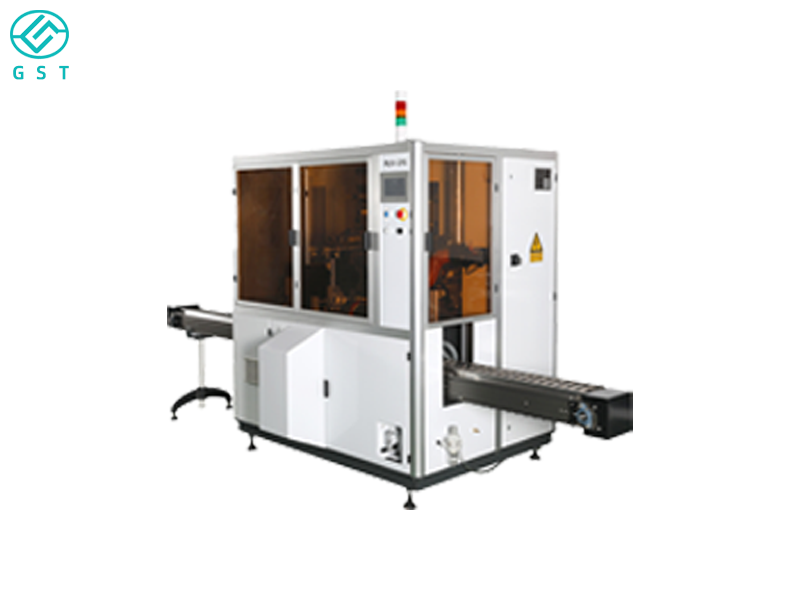
Guanshengtai Fully Automatic Screen Printing Machine Manufacturer Solution
As a professional manufacturer of fully automatic screen printing machines, Guanshengtai has long focused on the research and development and manufacturing of automated printing equipment, automatic assembly equipment, non-standard automated equipment and intelligent production lines, and has comprehensive technical capabilities in mechanical design, electrical control, automation programming and visual inspection.
Guanshengtai can provide customized fully automated screen printing solutions for enterprises based on their product structure, printing content, production cycle, product materials, and site layout. The equipment can be configured with functions such as automatic feeding, automatic material handling, vision positioning, automatic screen printing, ink curing, printing inspection, and automatic unloading according to production needs, realizing the automated operation of the screen printing process.
In the field of medical consumables, it can be used for printing scales, text, models and logos on products such as pipettes, centrifuge tubes and reagent tubes; in the field of plastic products, it can be used for printing markings on plastic bottles, bottle caps, plastic shells and the surface of daily necessities; in the fields of electronics and industrial manufacturing, it can be applied to automated screen printing of electronic components, hardware accessories and industrial products.
For customers who require complete line automation, Guanshengtai can also integrate fully automatic screen printing machines with automatic feeding machines, vision inspection equipment, automatic assembly machines, automatic packaging machines, and robotic handling systems to create a complete automated screen printing production line.
When choosing a manufacturer of fully automatic screen printing machines, companies should first determine the equipment structure based on the product shape and printing requirements. Secondly, they should pay attention to whether the manufacturer has the capability for non-standard customization. Simultaneously, the stable operation of the equipment and after-sales service are also crucial. For companies with continuous production, equipment failures can directly impact production plans; therefore, a comprehensive evaluation of the equipment's manufacturing quality, installation and commissioning capabilities, operator training, and subsequent technical support is necessary.
With the continuous development of machine vision, industrial robots, intelligent control, and industrial internet technologies, fully automatic screen printing machines are upgrading towards higher speeds, greater intelligence, greater flexibility, and digitalization. Simultaneously, through equipment networking and data acquisition, production quantities, equipment status, yield rates, and printing inspection results can be recorded and analyzed.
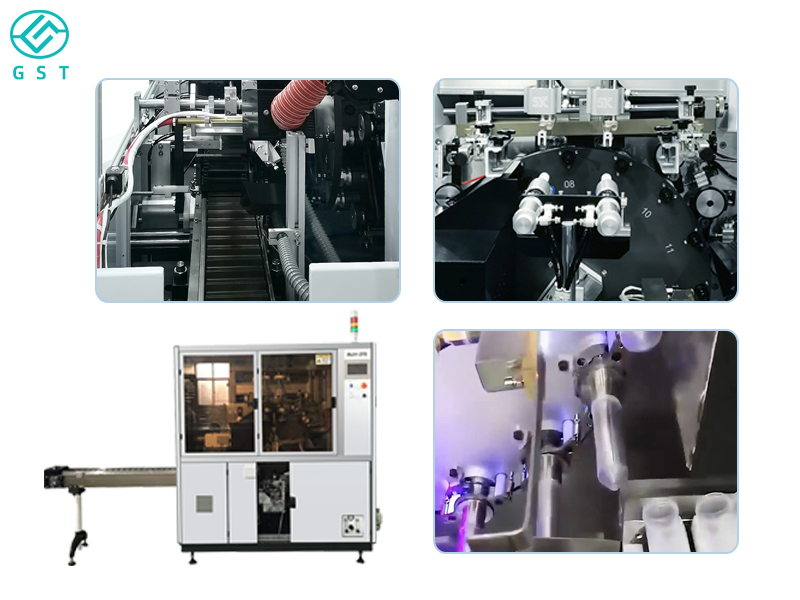
With the deepening of automation and digitalization in the manufacturing industry, enterprises are placing higher demands on the efficiency, accuracy, stability, and production cost of product surface printing. Modular design will also become an important development direction for fully automated screen printing equipment, enabling enterprises to add or adjust functional modules in a timely manner according to future product changes, thereby improving the long-term flexibility of equipment use. Therefore, more and more companies are seeking professional fully automated screen printing machine manufacturers to automate the screen printing process through automatic feeding, precise positioning, automatic printing, and online inspection. As an automation equipment R&D and manufacturing enterprise, Guanshengtai has long focused on the R&D of fully automated screen printing machines, automated printing equipment, and non-standard production lines, providing customers with efficient, stable, and customizable intelligent screen printing solutions.