Release Date:2026-09-23 16:04:19 Popularity:
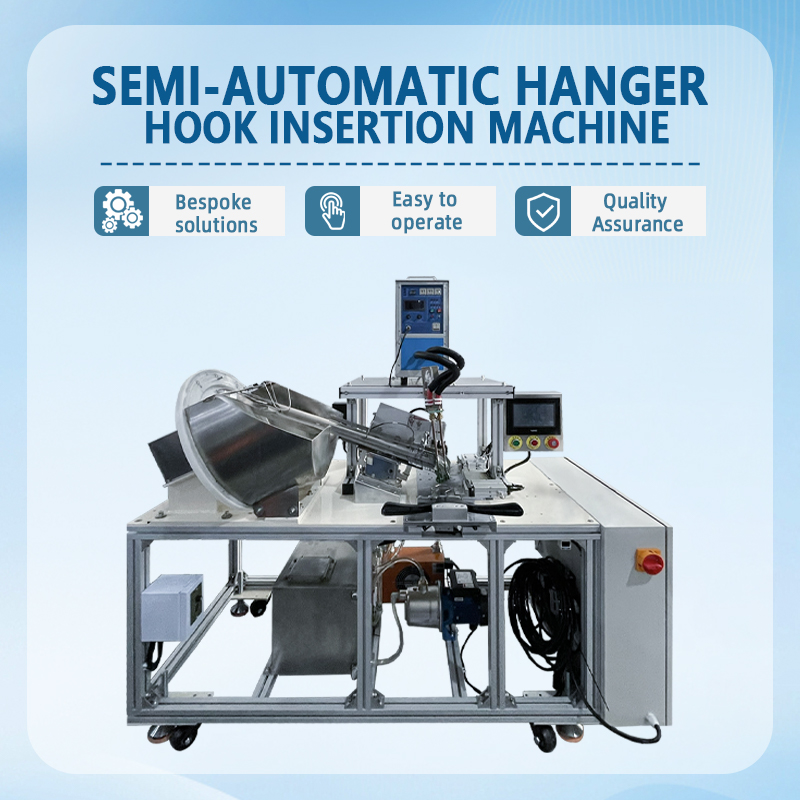
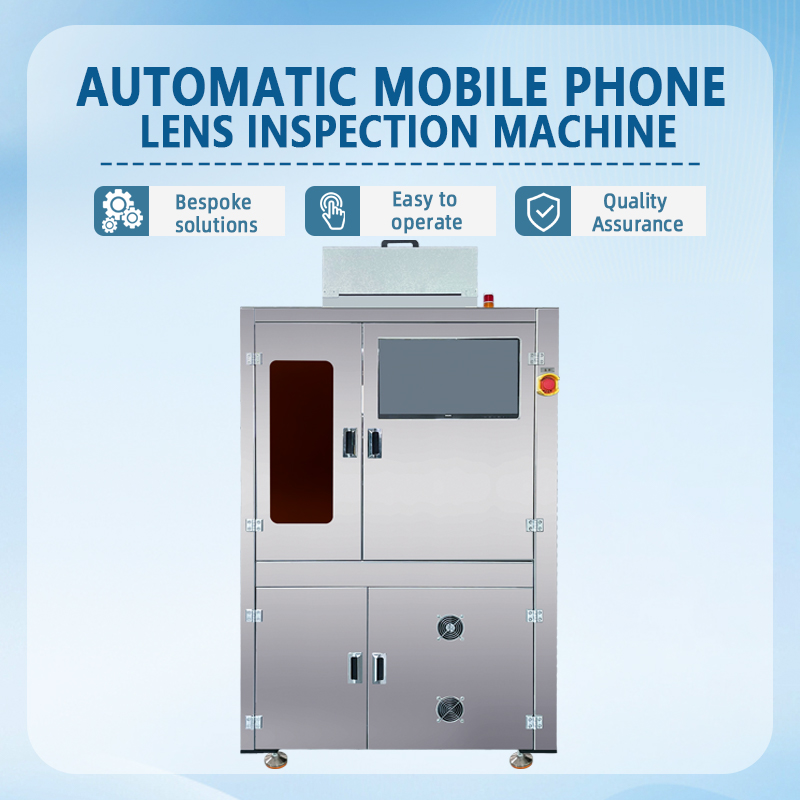
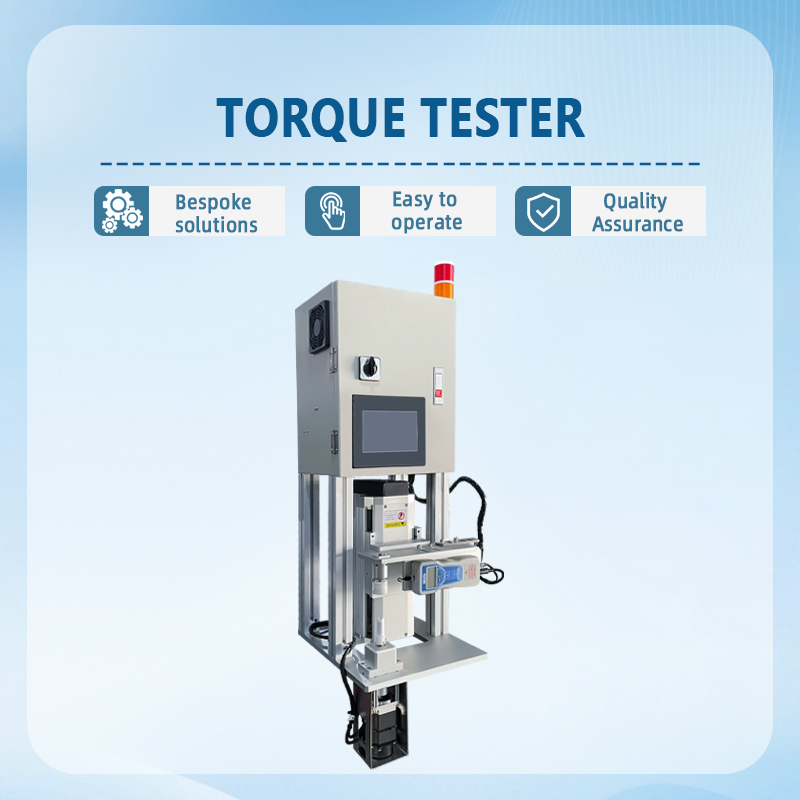
Non-standard automated equipment is automated equipment specifically designed and manufactured according to the characteristics of customer products, production processes, capacity requirements, workshop layout, and quality standards. Unlike standard equipment with fixed models, non-standard automated equipment focuses more on the specific needs of production and can be designed with different structures, functions, and control systems for different products. Common non-standard automated equipment includes automatic feeding machines, automatic assembly machines, automatic pressing machines, automatic welding machines, vision inspection machines, automatic packaging machines, and complete automated production lines. Through technologies such as PLC control systems, servo drives, industrial robots, machine vision, and sensors, it can achieve automatic feeding, precise positioning, automatic assembly, online inspection, automatic sorting, and automatic unloading.
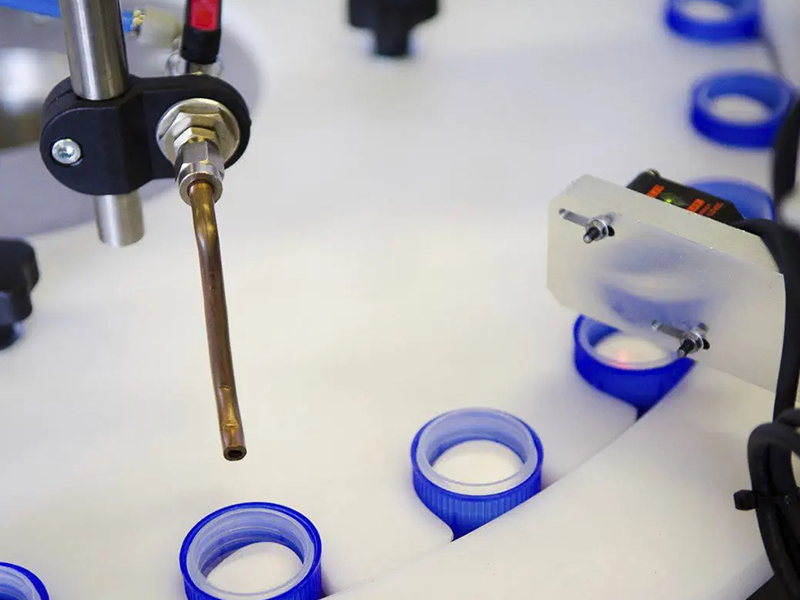
Core Advantages of Customized Non-standard Automated Equipment
Highly compatible with production processes: Different companies have significantly different product structures and production methods. Professional manufacturers of custom non-standard automated equipment can start from the customer's actual production processes and systematically plan the feeding methods, assembly sequence, workstation layout, and testing requirements, making the equipment more closely suited to the company's production flow and reducing manual operation.
Improving production efficiency: Automated equipment can operate continuously according to a set rhythm, effectively connecting multiple production processes. Through automatic feeding, automatic assembly, and automatic inspection, manual loading and unloading and process waiting time can be reduced, increasing output per unit time and shortening the production cycle.
Improving product quality stability: Manual production is easily affected by operator skill level and work status, while non-standard automated equipment can execute standardized actions according to unified procedures. Through high-precision positioning, servo control, and machine vision inspection, problems such as missing parts, incorrect parts, and misalignments can be effectively reduced, improving product consistency and production stability.
Reduce labor costs: For repetitive and labor-intensive production positions, non-standard automated equipment can replace some manual operations, reducing personnel input. It also reduces employee training, job management, and rework costs caused by human error, helping companies achieve continuous cost reduction and efficiency improvement.
Supporting flexible production for enterprises: As enterprises upgrade their products, their equipment also needs to be adjusted accordingly. Professional manufacturers can adopt modular designs to give the equipment a certain degree of expandability and upgradeability. By replacing fixtures, adjusting programs, or adding functional modules, the production needs of different models and specifications of products can be met.
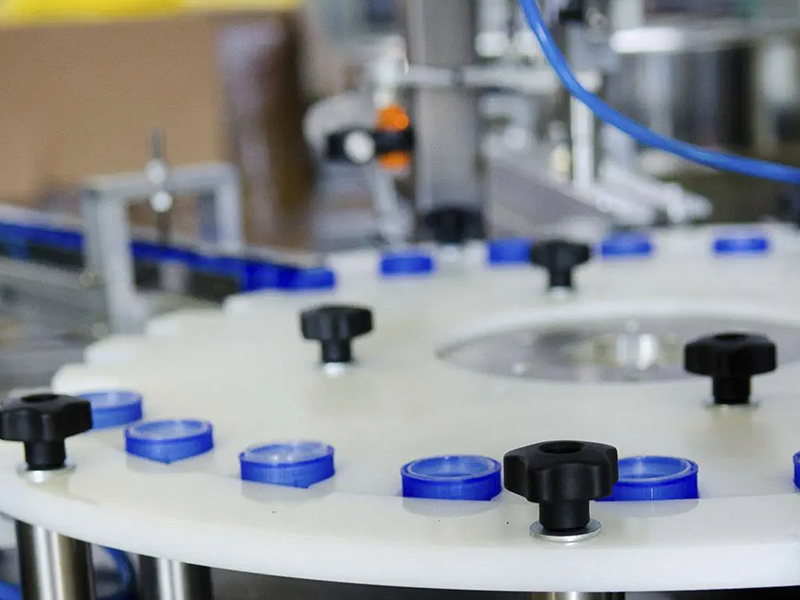
Guanshengtai Non-standard Automated Equipment Customization Solutions
As a professional manufacturer of customized non-standard automated equipment, Guanshengtai has long focused on the research and development and manufacturing of automated assembly equipment, intelligent testing equipment, automatic packaging equipment and non-standard automated production lines. We can provide one-stop solutions according to the characteristics of customers' products and production processes.
Guanshengtai possesses comprehensive technical capabilities in mechanical design, electrical control, automation programming, and machine vision. Starting from demand analysis, process planning, and solution design, it can customize functional modules such as automatic feeding, automatic material handling, visual positioning, automatic assembly, automatic pressing, ultrasonic welding, online inspection, and automatic packaging for customers.
In the field of medical consumables, automated assembly, testing, and packaging equipment can be designed for products such as pipettes, centrifuge tubes, reagent kits, blood collection needles, syringes, sampling swabs, and culture bottles; in the field of industrial manufacturing, it can be used for the automated assembly of products such as O-rings, check valves, hardware accessories, rubber gaskets, electronic connectors, and plastic parts; and in the field of daily necessities, automated assembly and production equipment can be developed for products such as clothes hangers, clothes clips, and trouser hangers.
In addition, Guanshengtai can also integrate non-standard automated equipment with industrial robots, vision inspection systems, automatic packaging machines, intelligent conveying and MES production management systems to help companies build a complete automated production system.
When choosing a manufacturer to customize non-standard automation equipment, companies should first ensure that the manufacturer has a thorough understanding of the customer's products and production processes, and can develop a complete solution based on actual needs. Secondly, they should pay attention to whether the manufacturer possesses comprehensive integration capabilities for mechanical, electrical, software, and vision systems to ensure that different modules can operate stably and collaboratively.
In addition, after-sales service is also an important factor for companies when choosing manufacturers of non-standard automated equipment. From design and manufacturing to installation and commissioning, the equipment requires continuous follow-up from a professional team. After it is put into use, maintenance, training and technical support are also needed. Therefore, a comprehensive service system can better ensure the long-term operation of the equipment.
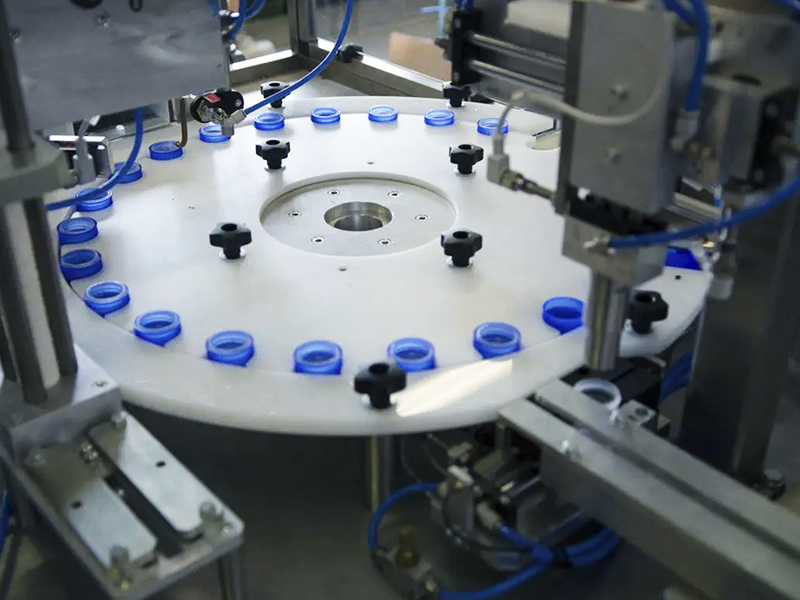
With the continuous development of artificial intelligence, industrial robots, machine vision, and the industrial internet, non-standard automated equipment is upgrading towards intelligence, flexibility, modularity, and digitalization. Future equipment will possess stronger capabilities in automatic identification, rapid changeover, online testing, and data acquisition. Simultaneously, equipment networking and production data management will become more widespread, enabling enterprises to understand production quantities, equipment status, and product quality in real time, providing data support for production management and process optimization. For modern manufacturing enterprises, choosing a professional manufacturer specializing in custom non-standard automated equipment not only solves efficiency and labor issues in existing production processes but also provides the equipment foundation for future smart factory construction.