Release Date:2026-09-05 16:19:57 Popularity:
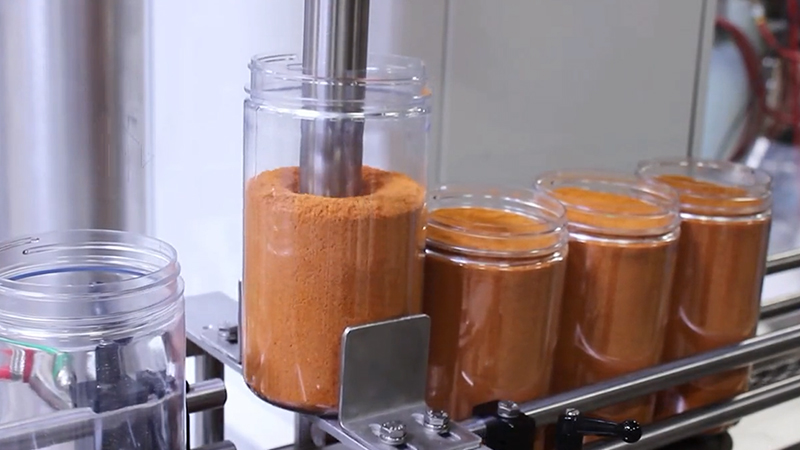
The fully automatic granule packaging machine is an automated system designed for granular, block-shaped, and certain regular-shaped materials. It automatically executes processes such as feeding, metering, filling, bagging, sealing, coding, and finished product discharge based on product characteristics. Typically composed of automatic feeding, metering, and control systems, along with packaging and sealing mechanisms, the equipment operates through the coordination of PLCs, servo drives, and sensors to ensure a stable and efficient packaging workflow. Depending on the specific material and packaging requirements, the machine can be configured with weighing, volumetric (measuring cup), or counting metering methods, and can utilize either pre-made bags or roll-film packaging solutions to meet diverse production needs.
Advantages of Choosing a Fully Automatic Granule Packaging Machine
Increased Packaging Efficiency: Traditional granule packaging requires manual execution of multiple steps—such as weighing, bagging, sealing, and organizing—making production speed susceptible to limitations regarding workforce size and operator proficiency. Automated equipment enables continuous feeding, precise metering, and automatic filling and sealing, significantly reducing manual intervention and boosting output per unit of time. For enterprises in the food, agricultural, and industrial manufacturing sectors, high-efficiency automated packaging equipment shortens production cycles and enhances order fulfillment capabilities.
Improved Metering Accuracy: The weight consistency of granular products directly impacts production costs and customer experience. Automated weighing systems ensure precise metering against preset weights and adjust feeding speeds via control programs, resulting in greater weight stability for each packaging unit. Compared to manual weighing, automatic metering minimizes human error and reduces material waste caused by over-packaging.
Reduced Labor Requirements: Packaging granular products is often a repetitive and labor-intensive task. By adopting fully automatic packaging machines, enterprises can reduce the need for manual labor in roles such as weighing, bagging, and sealing, thereby lowering personnel, training, and management costs. Additionally, automation minimizes rework and packaging waste caused by human error, helping enterprises achieve long-term cost reductions and efficiency gains.
Enhanced Packaging Quality: Fully automatic packaging equipment allows for the unified control of parameters—such as feeding, metering, filling, and sealing—ensuring a high level of standardization across every packaging unit. To meet specific customer requirements, the equipment can be equipped with additional features—such as weight checking, metal detection, and vision inspection—to enable in-line quality control during the packaging process and ensure the timely detection of defective products.
It accommodates diverse production needs: granular products vary in terms of particle size, density, and flowability, necessitating different feeding and metering methods. Specialized manufacturers of fully automatic granule packaging machines can configure the equipment and adjust processes based on the specific material characteristics, enabling customers to achieve automated packaging for products of various specifications and types.
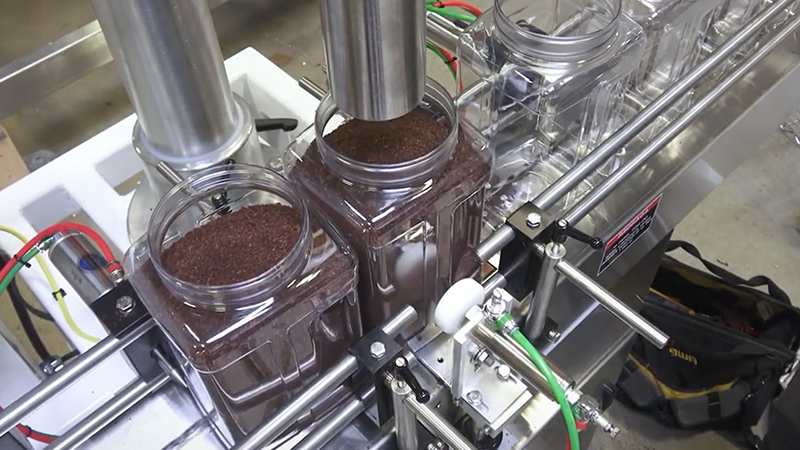
Guanshentai Granule Automatic Packaging Machine Solutions
Guanshentai designs customized automatic packaging solutions for granules based on specific client needs, including product characteristics, packaging weight, bag type, production throughput, and facility layout. The equipment can be configured with functions such as automatic feeding, weighing, quantitative dispensing, bagging, sealing, coding, weight inspection, and finished product conveying, achieving full automation of the granule packaging process.
Furthermore, Guanshentai offers full-line integration—combining the granule packaging machine with automatic labeling machines, metal detectors, automatic case sealers, robotic palletizing systems, and MES production management systems—to create a comprehensive intelligent packaging line that elevates the enterprise's overall level of automation.
When purchasing granule packaging equipment, enterprises should look beyond the price tag and carefully evaluate the manufacturer's R&D capabilities, equipment stability, metering methods, automation level, and after-sales service system.
First, it is essential to determine whether the manufacturer has the capability to design solutions tailored to specific material properties. Factors such as flowability, particle size, and density directly impact feeding and metering performance.
Second, one should consider the manufacturer's practical project experience. A professional manufacturer provides holistic planning—accounting for packaging weight, bag type, production speed, and workshop layout—rather than simply offering a standard, off-the-shelf model.
Additionally, after-sales service is crucial. Fully automated packaging equipment involves complex mechanical, electrical, and control systems; installation, commissioning, operator training, and ongoing maintenance all significantly influence long-term operational performance.
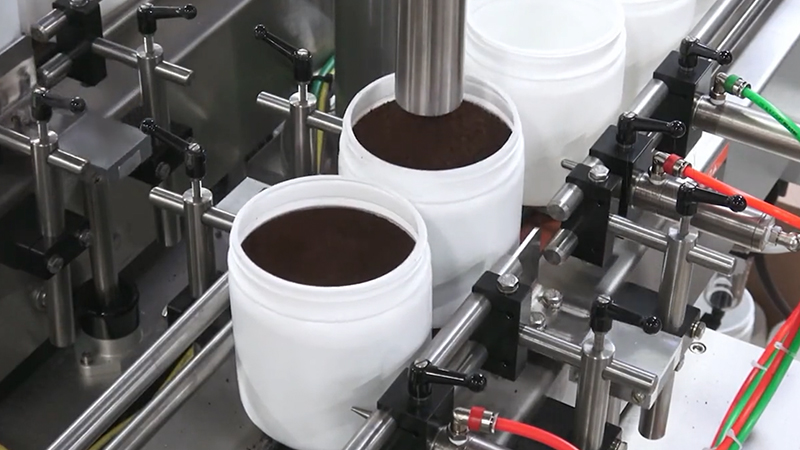
With the continuous advancement of intelligent manufacturing and industrial automation, granule packaging machines are evolving toward higher speeds, greater intelligence, increased flexibility, and digitalization. Rapid changeover capabilities, compatibility with multiple specifications, and modular design are becoming key trends, enabling enterprises to respond more flexibly to product variations and market demands. For modern manufacturing enterprises, partnering with a professional granule packaging machine manufacturer not only boosts packaging efficiency and metering accuracy but also reduces labor costs and material waste while enhancing overall packaging quality.